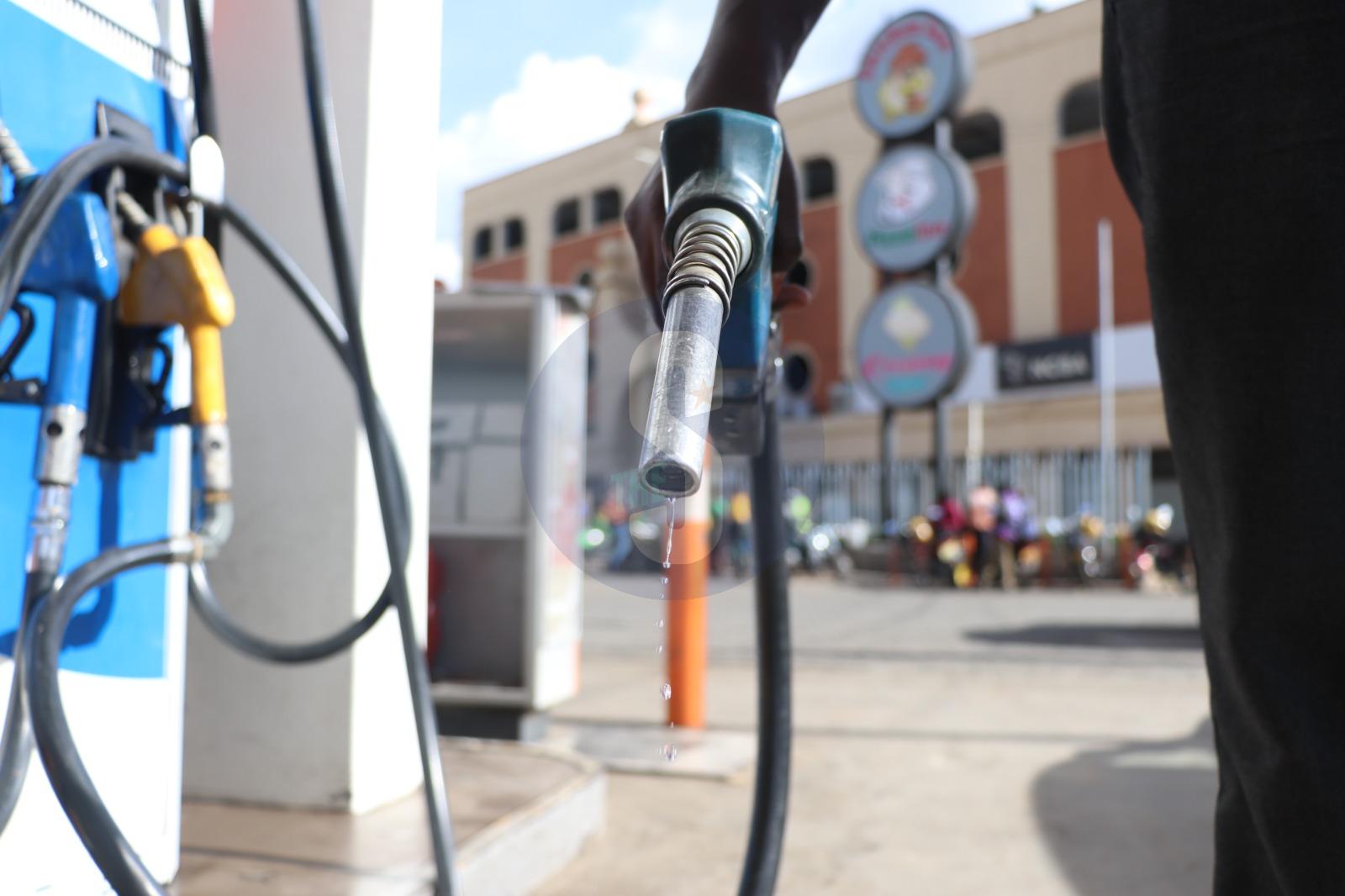
 A fuel service station attendant holds a pump at a petrol station in Westlands on April 15, 2026 /LEAH MUKANGAI
The historic Tuesday night's fuel price increase by the Energy and Petroleum Regulatory Authority (Epra) is already rippling through Nairobi and beyond, driving up transport costs and deepening pressure on households and businesses.
The latest monthly review by the regulator has seen pump prices for petrol, diesel and kerosene adjusted upward, with EPRA attributing the changes to fluctuations in global oil markets, exchange rates and landing costs.
“The recent fuel price adjustments are due to changes in global oil prices, exchange rates, and landing costs, which have affected petrol, diesel, and kerosene prices,” the regulator said.
But on the ground, the impact has been immediate and painful.
In Nairobi, motorists, public service operators and commuters say the rising fuel costs are stretching already strained budgets, forcing difficult choices on how to cope with daily expenses.
For Macharia, a private car owner who commutes between Githurai and Westlands, the numbers no longer add up. He says the cost of fuelling his vehicle has become so high that he is sometimes forced to leave it at home.
He estimates that his daily commute consumes about three to four litres of fuel each way—an expense he now finds unsustainable.
“Fuel costs have become too high, and I sometimes leave my car at home because commuting from Githurai to Westlands consumes about three to four litres each way. Many families will struggle to afford basic needs,” he said.
For others, however, abandoning their vehicles is not an option.
One motorist who relies on his car as a source of income says he has no choice but to stay on the road, even as costs rise. Instead, he is now forced into difficult negotiations with customers, hoping they will accept slightly higher charges.
“I cannot abandon my car because it is my source of income. I have to negotiate with customers to slightly increase prices to cover fuel costs,” he said.
The pressure is equally intense in the boda boda sector.
Jeremiah, a motorcycle rider, says the increase has directly eaten into his earnings. A trip that previously cost Sh100 now goes for about Sh150, but many customers are unwilling to pay the new rates.
“A trip that used to cost Sh100 now costs about Sh150, and many customers are refusing to pay. The government should increase fuel subsidies,” he said.
The situation has created tension between operators and customers, with riders caught between rising costs and shrinking demand.
Drivers in the public transport sector say fare hikes have become unavoidable, even as they acknowledge the burden on passengers.
Alex, a driver, says operators are struggling to bridge the gap created by rising fuel prices, leaving them with little choice but to pass on the cost.
“We have no choice but to increase fares to cover fuel costs, but this is unfair to passengers who are already struggling. The government should step in with subsidies,” he said.
Conductors are also feeling the strain from a different angle.
Idraff, a matatu conductor, says commuters are increasingly frustrated, with many complaining that they can no longer keep up with rising daily transport costs.
“Transport fares have increased, and passengers are struggling to cope with the rising cost of commuting,” he said.
For motorists like Naftal, the situation is becoming unsustainable. He estimates that fuel prices have risen by about Sh20, significantly eating into earnings.
“Fuel has increased by about twenty shillings, and it is unfair because we are now spending more than we earn,” he said.
Amid the growing frustration, some Kenyans are also raising concerns about the supply chain.
A concerned citizen accused some oil market players of allegedly withholding fuel supplies for profit, calling on authorities to crack down on any such practices.
“Some oil companies may be withholding fuel to make profits, and the government should take action against such practices,” he said.
Meanwhile, Geoffrey, another boda boda rider, sums up the mood on the ground—one of frustration and survival.
“Life has become very difficult. Customers complain about fares, but we have no choice but to adjust,” he said.
Across the board, the message is clear: the fuel hike is being felt far beyond the pump.
As transport costs continue to rise, there is growing public outcry that the ripple effects will soon hit the prices of basic goods and services, further squeezing households.
Many now fear that if fuel prices remain elevated, the cost of living will continue to climb, pushing more families to the brink.
“There is growing public outcry, and if fuel prices remain high, many people will struggle to afford basic goods and services,” one resident said.







Comments 0
Sign in to join the conversation
Sign In Create AccountNo comments yet. Be the first to share your thoughts!