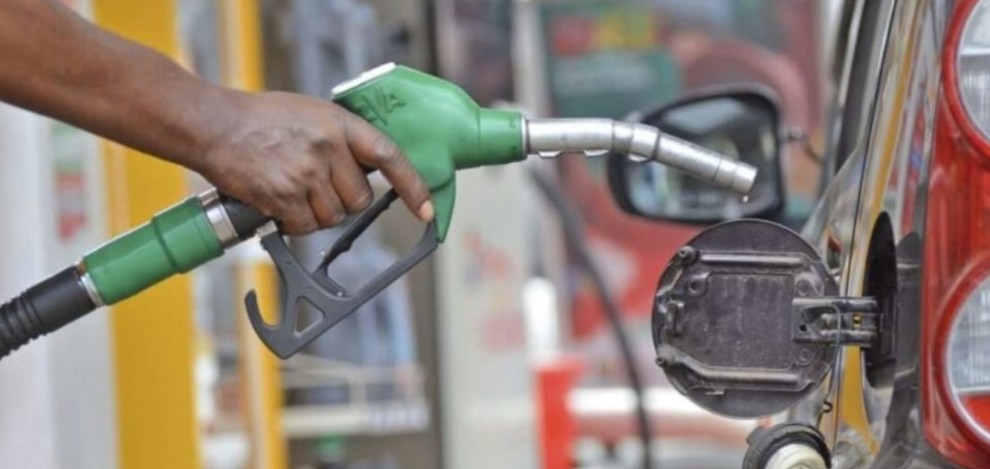
 Fuel pump /FILE
The Energy and Petroleum Regulatory Authority (EPRA) has moved to crack down on fuel stations across the country, alleged to have sold petroleum products above the approved pump prices.
The enforcement drive highlights pricing breaches amid ongoing supply pressures.
In a compliance sweep conducted between late March and April 10, the regulator issued show-cause notices to stations in Kirinyaga, Trans Nzoia, Meru and Kilifi counties.
According to documents seen by The Star, the affected operators have been given 14 days to provide explanations as to why action should not be taken against them.
"Pursuant to Section 81(2) of the Petroleum Act, cap 308, the Authority hereby issues you with a fourteen (14) days' NOTICE TO SHOW CAUSE why disciplinary actions should not be taken against you."
EPRA has warned that failure to respond satisfactorily could lead to disciplinary measures, including suspension or cancellation of operating licences.
"Please note that the Authority shall proceed to take disciplinary actions if the above shall not have been complied with at the expiry of the stated period," the authority said.
At the centre of the cases is the alleged sale of Super Petrol and Automotive Gas Oil (diesel) above the revised maximum retail prices, contrary to Section 99(1)(n) of the Petroleum Act.
The notices, issued under Section 81(2) of the same law, give EPRA powers to enforce compliance through penalties that may range from fines to licence revocation, depending on the gravity of the breach and the responses submitted by the affected stations.
The regulator’s action comes against a backdrop of continued fuel market pressure, characterised by periodic shortages, concerns over stock management, and rising global oil prices, all of which have intensified scrutiny on retail pricing practices.
Earlier, the Competition Authority of Kenya (CAK) had separately warned oil marketing companies that they risk penalties of up to Sh10 million or a prison sentence of up to five years if found guilty of hoarding fuel products.
In its statement dated April 10, CAK flagged reports suggesting that some oil marketing companies may be restricting supply or declining to sell fuel to non-franchised retailers in anticipation of potential price changes.
It stressed that fuel remains a critical commodity for economic activity and public welfare, cautioning that any deliberate move to create artificial scarcity or manipulate prices is prohibited under the Competition Act.
CAK outlined several legal provisions that may be invoked, including Section 21(1), which bars anti-competitive agreements that distort market competition, and Section 21(3)(f), which prohibits discriminatory trading conditions that disadvantage certain businesses.
The authority also cited Section 57, which addresses unconscionable conduct in the supply of goods and services to business consumers.
It warned that violations could attract financial penalties of up to 10 per cent of a company’s previous year’s gross annual turnover in Kenya, in addition to possible criminal sanctions upon conviction.