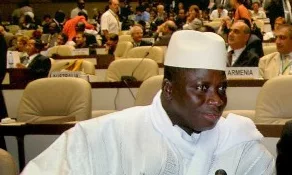
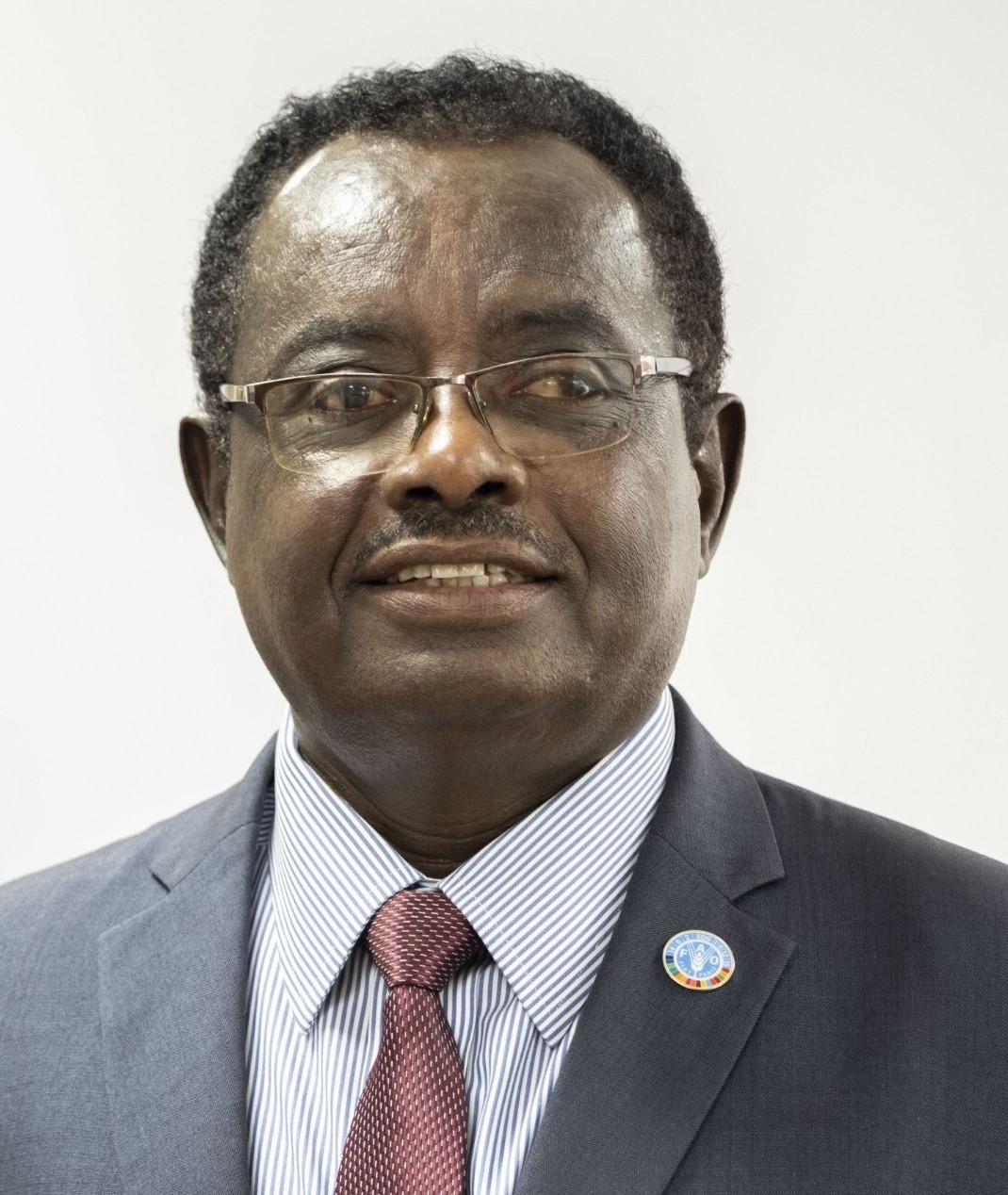
 Abebe Haile-Gabriel, the FAO Assistant Director-General and Regional Representative for Africa/HANDOUT
Africa’s top agriculture leaders are set to convene in 34th Session of the FAO Regional Conference for Africa amid growing calls for urgent and coordinated action to tackle rising hunger and malnutrition across the continent.
The high-level meeting, organised by the Food and Agriculture Organization and hosted by Mauritania in Nouakchott from April 13 to 17, 2026, brings together ministers of agriculture and key stakeholders to chart a path forward for Africa’s agrifood systems.
At the centre of the discussions is Abebe Haile-Gabriel, the FAO Assistant Director-General and Regional Representative for Africa, who has issued a strong call for collective leadership to address what he describes as deep-rooted structural challenges undermining food security.
“The scale and persistence of hunger and malnutrition in Africa demand more than isolated interventions. What is required is collective leadership, coordinated action and sustained investment across the entire agrifood system,” Abebe said ahead of the conference.
His remarks come against the backdrop of alarming statistics from the State of Food Security and Nutrition in the World Report 2025, which shows that approximately 307 million people in Africa were undernourished in 2024—more than one in five people on the continent.
The report further indicates that undernourishment has risen by nearly five percentage points since 2010, reversing earlier gains. At the same time, the cost of a healthy diet has surged to an average of USD 4.41 (about Sh600) per person per day, putting proper nutrition beyond the reach of most households.
“These are not temporary shocks,” Abebe warned. “They reflect systemic weaknesses-underinvestment in rural infrastructure, fragmented markets and agrifood systems that remain highly vulnerable to climate change, conflict and economic disruptions.”
Experts say the conference will test whether political commitments can translate into tangible action, particularly as governments face shrinking fiscal space and competing development priorities.
Despite the challenges, Africa’s potential remains vast. The continent holds about 60 percent of the world’s uncultivated arable land and has the youngest population globally. However, Abebe noted that unlocking this potential will depend on how effectively institutions align policies and investments.
Government spending on agriculture reached an estimated USD 16 billion in 2022, reflecting a positive trend. Yet this remains far below what is required to transform the sector. Credit access also remains a major bottleneck, with agriculture accounting for only about two percent of total bank lending.
“Closing the financing gap requires deliberate policies that de-risk investment, strengthen public-private partnerships and ensure that smallholders and agrifood enterprises can access capital,” Abebe said.
He emphasised that innovation must go beyond pilot projects and reach small-scale farmers, particularly women and youth who produce a significant share of Africa’s food but remain underserved.
Digital advisory services, improved seed varieties and climate-smart farming practices have shown promise in boosting productivity. However, their impact has been limited by poor scaling and accessibility.
Resilience, Abebe added, must be embedded in every investment decision. With climate variability and economic shocks becoming more frequent, countries must prioritise sustainable land management, diversified production systems and stronger rural institutions.
“Resilience cannot be treated as an afterthought. Every investment must be designed to withstand the realities of climate change and economic volatility,” he said.
The conference is expected to produce concrete recommendations for aligning national agricultural investment plans with broader agrifood system goals, improving financing mechanisms and strengthening partnerships among governments, the private sector and development partners.