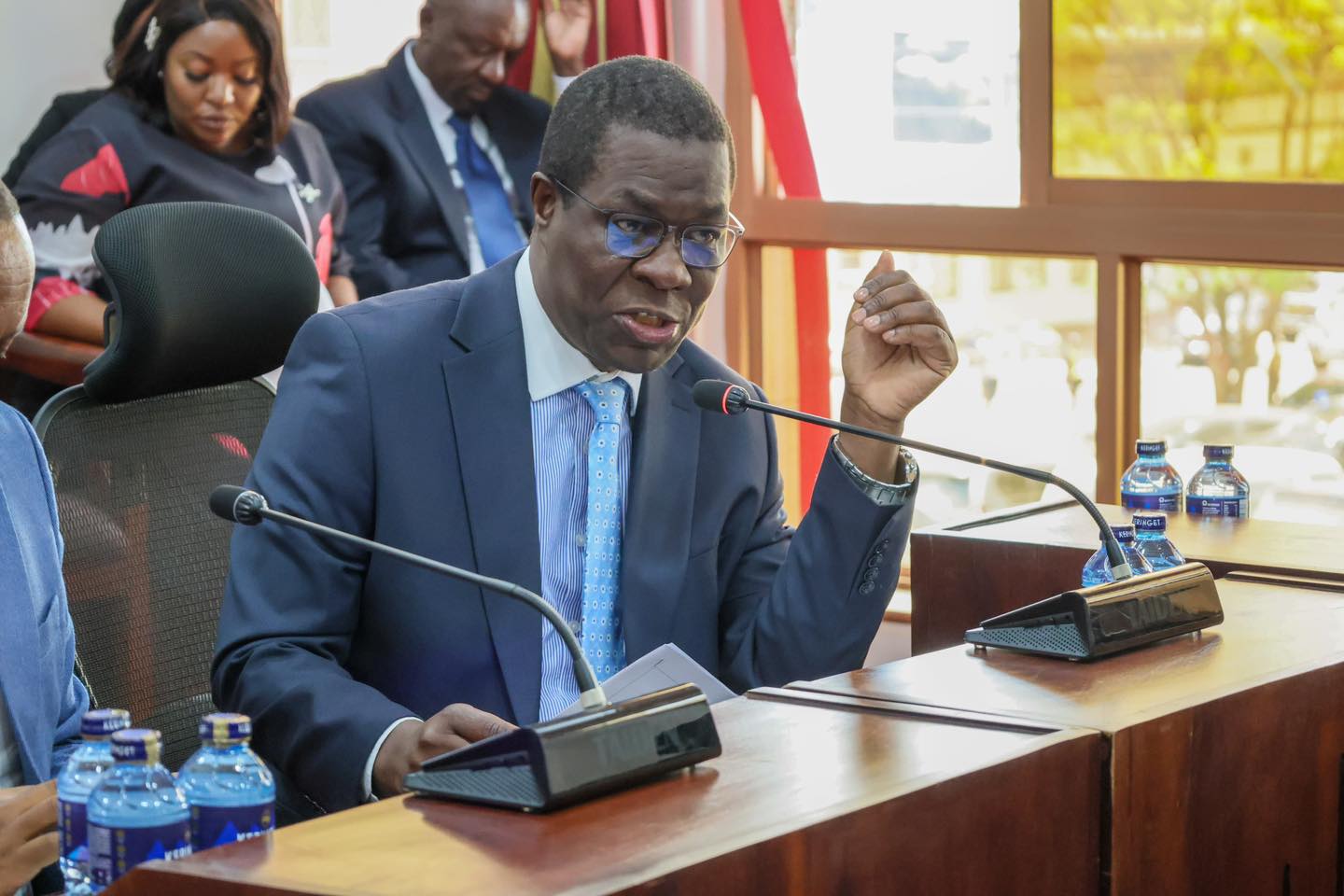
 Energy Cabinet Secretary Opiyo Wandayi./COURTERSY
Energy Cabinet Secretary Opiyo Wandayi on Sunday moved to calm public anxiety following a string of resignations and a brewing controversy in the petroleum sector.
In a statement, the CS said that fuel supplies remain stable and that the government has taken steps to protect consumers from potential losses. Wandayi acknowledged the “recent developments” within the Ministry of Energy and Petroleum and its agencies.
He was citing the exit of several senior officials following the oil import saga but maintained that the situation is firmly under control. He revealed that the government halted the delivery of a second fuel cargo after new information emerged about an earlier shipment now under investigation.
The move, the CS said, was aimed at safeguarding public interest and preventing a repeat of questionable transactions.
“We have sufficient stocks of petroleum products to meet current demand,” Wandayi said.
He moved to reassure motorists and businesses amid fears of possible shortages or price spikes. The CS also defended the government-to-government (G-to-G) fuel procurement, describing it as stable and resilient despite the controversy.
The arrangement, which was introduced to cushion the country from global oil price volatility, particularly in the wake of geopolitical tensions in the Gulf, has been under scrutiny lately. Wandayi said the G-to-G system continues to shield Kenyans from immediate shocks linked to instability in global oil markets, even as investigations into specific cargoes proceed.
The dispute is centred on pricing discrepancies between shipments handled under different arrangements. For the CS, invoices from one supplier indicated a landed cost of Sh198,855 per metric ton for petrol, compared to Sh140,111 per metric ton for a similar product under the G-to-G framework.
The difference of Sh58,744 per metric ton translates to about Sh43.4 per litre, with the G-to-G cargo deemed as significantly cheaper. The revelation is likely to intensify scrutiny over procurement practices in the petroleum sector, particularly amid concerns about possible inflation of profits and inefficiencies.
Striking a tough tone, Wandayi warned against what he described as entrenched interests seeking to exploit the fuel situation.
“There will be no tolerance for cartels, profiteers, or extortionists seeking to take advantage of the current uncertainty for personal gain,” he said. He also dismissed claims circulating in political circles about the crackdown, accusing unnamed leaders of spreading disinformation about the crisis.
“We have noted with concern a campaign of disinformation orchestrated by a section of political leaders over this unfortunate situation,” the CS said, asking the public to rely on official updates.
He said that as part of the government’s response, the ministry has launched a comprehensive internal review of petroleum product management systems and processes.
The review aims to strengthen transparency, ensure product quality, and reinforce the integrity of the supply chain. The ministry is also working with other state agencies to maintain oversight and operational stability in the sector, Wandayi added.
He appealed for patience as investigations continue and promised that the government will provide updates once inquiries are complete.
“We urge the public to allow independent and professional investigations to proceed conclusively,” the CS said.
The CS also clarified that Stabex International, one of the companies mentioned in public discussions, is not among oil marketing firms nominated under the G-to-G arrangement.
He distanced the fuel purchases framework from some of the claims circulating in the public domain.