
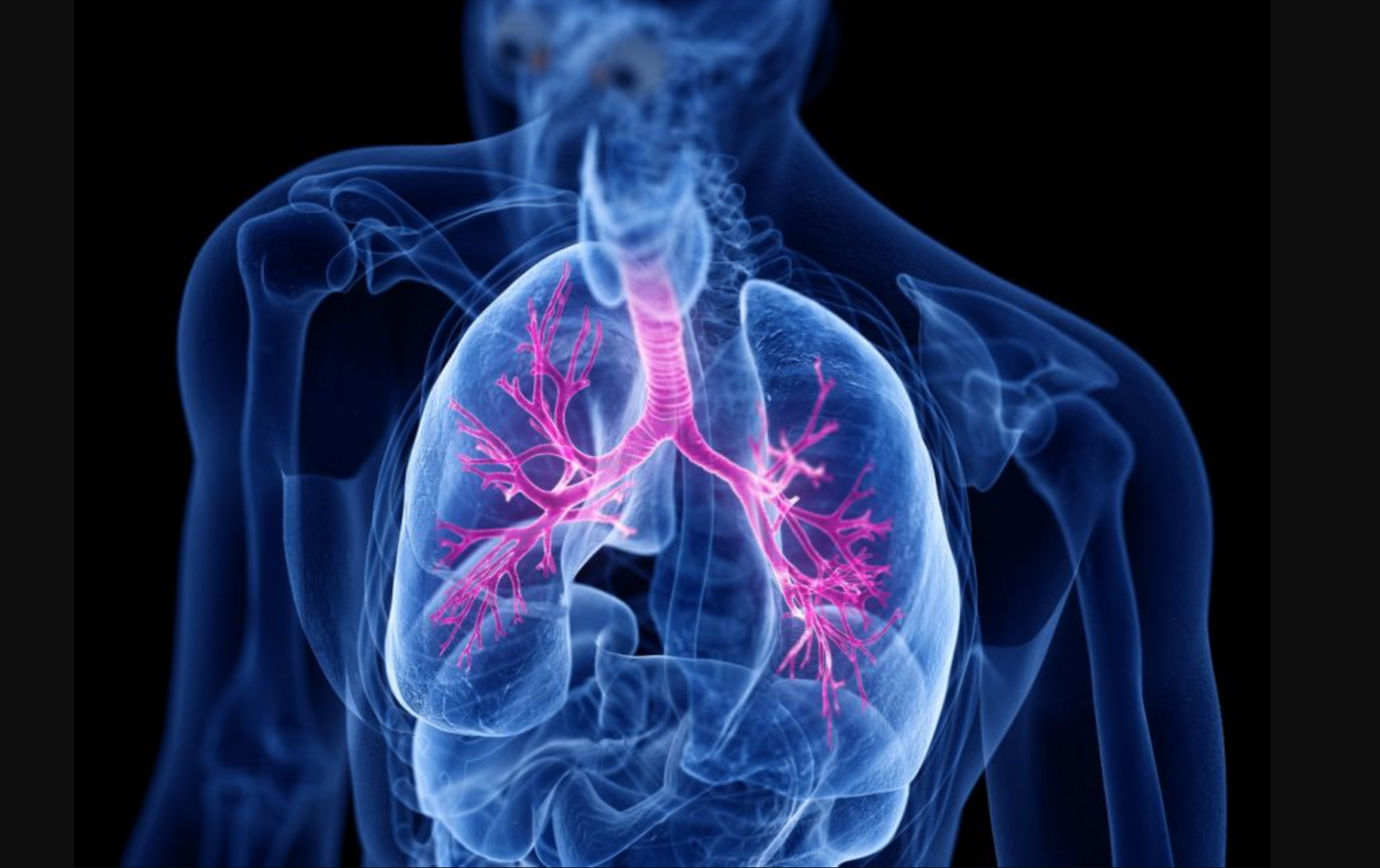
If you experience a long-term cough, shortness of breath, or chest tightness, you may not receive an accurate diagnosis quickly in Kenya.
You could be tested for tuberculosis or given general medication without proper testing, a Ministry of Health assessment report suggests.
Patients with breathing problems risk a wrong diagnosis as the health system leans heavily on TB care.
This is because many health facilities are not well-equipped to diagnose and treat other lung diseases, such as asthma and chronic respiratory conditions.
The gaps are most severe in lower-level public facilities, where most patients first seek care.
The assessment of 199 facilities across seven counties paints a troubling picture for patients with non-TB lung disease.
Assessors found that while TB services are strong and well-supported, care for other conditions remains weak and uneven.
“Respiratory illnesses represent a major public health burden in Kenya,” they say in a report, A Comprehensive Assessment of Lung Health Service Readiness and Critical Gaps Across Kenya's Healthcare System.
“While tuberculosis (TB) receives structured attention through vertical programmes, other chronic respiratory diseases (CRDs), including asthma, chronic obstructive pulmonary disease (COPD), and post-TB lung disease (PTLD), remain underdiagnosed and undertreated,” they added.
This means a lung patient’s first visit to a clinic is unlikely to lead to clear answers. Basic tools needed to confirm a diagnosis are missing in most facilities.
“Only 10 per cent of facilities had functional spirometers, six per cent had peak flow meters, 16 per cent had nebulisers and 77 per cent had pulse oximeters,” said acting head of the Division of TB and Lung Health at NTLD, Dr Immaculate Kathure and her colleagues.
“Chest X-ray capacity was available in 38 per cent of facilities, concentrated at higher levels.”
Spirometers measure how well lungs are working by checking how much air can be breathed in and out, while peak flow meters measure how fast air can be blown out of the lungs.
Nebulisers turn medicine into a mist for inhalation, while a pulse oximeter measures oxygen levels in the blood using a small clip on the finger.
Health workers who lack these tools often rely on symptoms alone to make a diagnosis.
Patients may be given painkillers or antibiotics and asked to return if symptoms persist. In some cases, they are treated for TB even when tests are inconclusive.
The study, conducted in December 2024, shows that even when a diagnosis is suspected, treatment options are limited.
Essential medicines, especially inhalers used for asthma and other chronic conditions, are not widely available.
“Salbutamol inhalers were available in 39 per cent of facilities, but inhaled corticosteroids were stocked in fewer than 20 per cent,” Dr Kathure and colleagues said.
“Training coverage was limited: while 68 per cent of facilities had staff trained in integrated TB guidelines, only 57 per cent had training in Integrated Management of Neonatal and Childhood Illness and 51 per cent in asthma guidelines.”
The report was co-authored by Director General for Health Patrick Amoth and colleagues in the National TB, Leprosy and Other Lung Disease Programme (NTLD), Kenya Medical Research Institute, Clinton Health Access Initiative, Respiratory Society of Kenya, Centre for Health Solutions, and the county governments of Nairobi, Murang’a and Nakuru.
The study also highlights a shortage of trained staff, especially for chronic lung diseases. While many health workers are well trained in TB care, fewer are confident in managing asthma or COPD.
“Most staff are not updated on lung health conditions,” one health worker told researchers, reflecting the wider gap in training and support.
This lack of expertise affects diagnosis and follow-up care. Patients may not receive guidance on managing their condition at home or preventing future attacks.
Access to care also depends heavily on where a patient lives. Advanced services, such as chest X-rays and lung function tests, are mostly found in referral hospitals and urban centres.
The report further shows that Kenya’s health system does not track these diseases well. While TB data is detailed and consistent, other lung conditions are rarely recorded.
“Health information systems captured TB indicators comprehensively, but CRDs were poorly represented, with asthma and COPD registers available in only six per cent and five per cent of facilities,” report shows.
“PTLD (Post-Tuberculosis Lung Disease) and occupational lung diseases were not recorded at all.”
The experts recommend that primary healthcare facilities, especially dispensaries and health centres, be equipped with essential diagnostic tools such as spirometers, peak flow meters, pulse oximeters, and nebulisers.
Facilities should also have a consistent supply of medicines needed to manage asthma, COPD and post-TB lung disease. They also call for stronger training and support for health workers.