
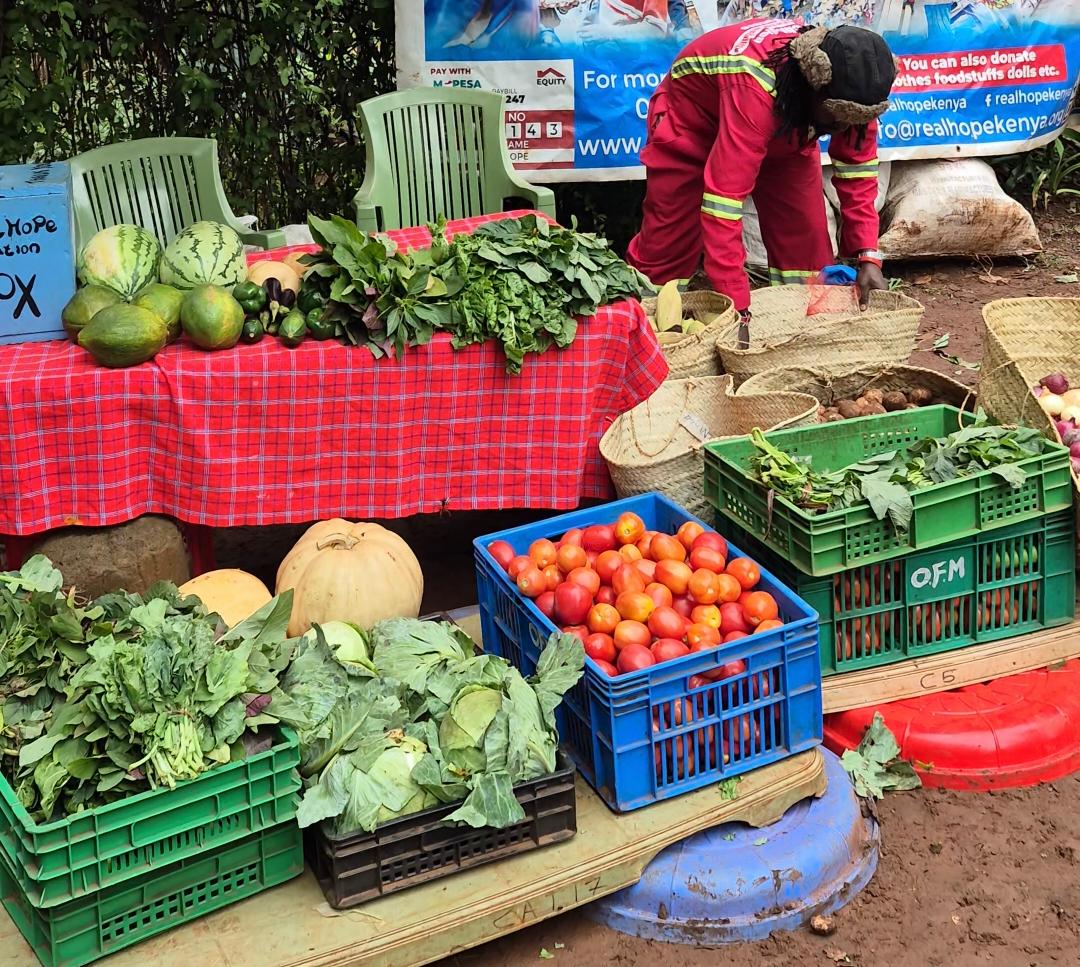
On a bright Saturday morning in Karen, Nairobi, a lively scene unfolds every week that is quickly becoming one of the city’s most talkedabout lifestyle and food experiences.
Families, health enthusiasts, artists, and food lovers from all walks of life make their way down Marula Lane to the Organic Farmers Market, a bustling hub of taste, community and culture that embodies Kenya’s growing love for fresh and sustainable living.
Set amid shaded trees with a background hum of music and laughter, the market is not just a place to shop but a Saturday festival of flavours and ideas.
From the moment the first stalls open at dawn, visitors are greeted by the smell of heirloom vegetables, freshly baked breads, bold artisan cheeses and organic fruits that look like it was just plucked from the farm.
From farm to table
What makes the Organic Farmers Market genuinely special is the connection between the people who grow the food and those who eat it.
Common produce like sukuma wiki, spinach, tomatoes and mushrooms sit alongside rarer finds like handcrafted peanut butter, organic juices and naturally fermented kraut.
Unlike supermarket shelves with processed packaging, here you can talk directly to the farmers, ask about their growing methods, hear their stories and even get to taste the difference for yourself.
“Every Saturday, I meet the people who actually eat what I grow. It is not just selling vegetables but also sharing a story of care, hard work and healthy living. Seeing someone taste my produce and smile makes it all priceless," Josephine Mwangi, an organic farmer, said.
Many of these farmers are part of a wider movement transforming agriculture in Kenya.
According to the 2024 data survey from the Kenya Organic Agriculture Network (KOAN), the number of organic farms in the country has grown more than sevenfold over the past decade.
“Organic farms in Kenya have seen dramatic growth, rising from 8,004 in 2007 to 62,626 in 2022. This increase represents a more than sevenfold rise in farmers over that period, with organic land area increasing from 84,538 to 171,298 hectares,” the survey stated.
The survey shows that in 2022, 172,760 kilograms of certified organic produce was sold.
Consequently, when it comes to market share while growing, organic land still only represents about 0.61 per cent of Kenya's total agricultural land.
“Key organic exports and local products include tea, coffee, vegetables and fruits with high production in sweet potatoes, butternuts and arrowroot,” KOAN said.
This reflects the rise in consumer demand for chemical-free food and sustainable farming practices.
For shoppers, that means produce here is not only fresh but also grown in ways that safeguard soil health, protect biodiversity and keep harmful pesticides out of the food chain.
More than just vegetables
While farm produce is the heart of the market, it has blossomed into much more.
Food artisans showcase their creations like spicy kimchi, sourdough loaves, gluten-free snacks and even homemade jams made from seasonal fruit.
Music floats through the air with live bands and local DJs making it as much a cultural afternoon as a food market.
Children on the other hand chase each other across grassy patches while young couples lounge with fresh juice or a glass of wine.
Friends gather around long wooden tables piled high with food, laughter and good conversations, hence turning what could be a simple shopping trip into a communal celebration of Kenyan flavours and community spirit.
"I come here almost every week, not just for the fresh food, but for the community. There is music, laughter and a feeling that we are all part of something bigger, which is supporting local farmers and choosing health,” Diana Muthoni said.
In a city known for its busy schedules and long workweeks, this market has not only become a weekend ritual but a place to slow down, savour real food and bond with neighbours.
The ambience is inviting for families and solo visitors looking to escape screens and reconnect with nature and culture.
A Nurturing ground for farmers and entrepreneurs
The market’s humble origins trace back to a small group of organic growers who started meeting months at a time to sell produce to conscious consumers.
Over the years, it has expanded into a permanent weekly attraction that now supports dozens of certified organic farmers and food vendors.
This gives them a reliable and respected platform to grow their businesses.
This growth reflects a broader trend in Kenya’s food culture where consumers are increasingly looking beyond convenience to meaningful food experiences.
"Organic farming can be tough but just seeing people line up every Saturday makes every early morning worth it,” Mwangi said.
If fresh produce draws the crowd, food vendors and chefs keep people lingering.
Think spicy grilled nyama choma with organic greens, Thai-inspired delights with herbs plucked the morning before, freshpressed juices with zing and zest and artisan desserts that rival anything in high-end cafés.
There is even a selection of wines and fizzy drinks made from organic fruits, perfect for those seeking a relaxed afternoon vibe under Nairobi’s gentle sunshine.
A community anchored in sustainability
What sets the Karen Organic Farmers Market apart is not just the produce or the atmosphere but the shared vision that nurtures it.
Vendors, consumers and visitors alike champion organic practices not only for their health benefits but for their environmental impact, supporting farming methods that rejuvenate soil and promote biodiversity.
“I love that I can talk to the farmers directly. It makes me feel connected to what I eat, and that is something supermarkets cannot give you. So basically getting to talk to farmers and learn about some of their sustainable methods makes me feel connected to my food,” Muthoni said.
Many shoppers said they come back every week, not just for the food, but also for the community feeling, a sense of belonging and shared purpose in shaping a healthier Kenya.
Parents on the other hand bring kids to instil good food habits, as companions meet to unwind after long weeks, and new entrepreneurs use the market as a springboard to launch their brands.
"I also bring my kids here so they see where their food comes from, which has slowly become a Saturday tradition for our family,” Muthoni added.
In a world increasingly defined by fast food, chemical farming, and disconnected food systems, the Karen Organic Farmers Market stands out as a beacon of balance: a place where tradition meets innovation, farmers meet families, and real food takes centre stage.
With Kenya’s organic farming scene continuing to grow, local food lovers can expect even more flavours, products and experiences to savour in the seasons ahead.
Therefore, if you are in Nairobi on a Saturday and craving something that feeds not just your stomach but your soul, head down to the Organic Farmers Market in Karen.







