
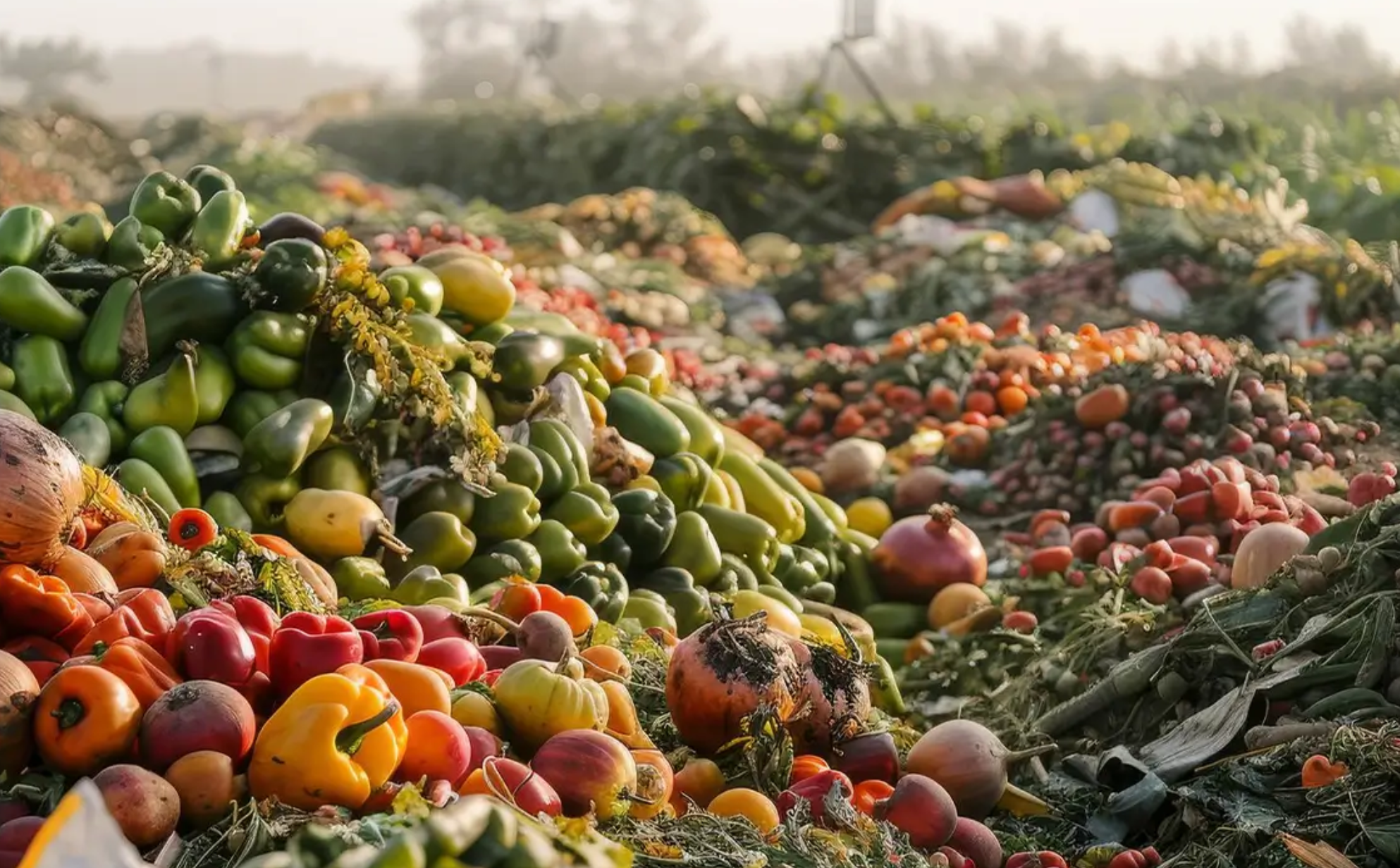
 Food waste in the market.
The amount of food wasted in Kenya is enough to feed all 3.5 million people currently facing hunger.
The World Resources Institute (WRI) Africa indicates that as much as 40 per cent of food grown in the country is lost or wasted along the supply chain. Monday was International Day of Zero Waste.
This loss amounts to roughly nine million tonnes of food every year, valued at Sh72 billion ($578 million).
The losses occur from the farm all the way to consumers, affecting staple crops such as maize, potatoes, fruits including mangoes and avocados, and even fish.
The WRI analysis titled ‘Food Loss and Waste in Maize, Potato, Fresh Fruits, and Fish Value Chains in Kenya’ highlights that food lost or wasted could be a lifeline for those in need.
Cutting food loss and waste by half by 2030 could provide enough food to feed more than seven million people annually, more than double the current number of Kenyans who rely on food aid, currently 3.5 million, according to the report.
The data show that much of the loss occurs before food reaches the market due to poor handling, lack of storage and inadequate transport systems, while waste at the retail and household level also plays a significant role.
“Tackling food loss and waste presents a triple-win opportunity: feeding more people without increasing production, enhancing livelihoods by strengthening value chains and cutting costs, and reducing environmental impacts, including lowering greenhouse gas emissions,” the report read.
The stark contrast between wasted food and the hunger experienced by many families is driving concern among experts and international organisations.
Unep said the world is facing an increasing waste challenge linked to unsustainable production and consumption, with humanity generating as much as 2.3 billion tonnes of municipal solid waste each year.
Unep said while hundreds of millions of people around the world face hunger, more than one billion tonnes of food are wasted ¾19 per cent of all food available to consumers, while 13 per cent is lost postharvest and before retail.
Most food waste happens within households (60 per cent), followed by food service (28 per cent) and retail (12 per cent).
Households alone waste more than one billion meals every day, First Lady of Turkey Emine Erdoğan said in her video message for International Day of Zero Waste marked on March 30.
“In every wasted bite lies the right of someone whose life depends on it and it also holds the echoes of the cries of those suffering from hunger and thirst in war zones.
“Let us not forget that all of humanity bears the cost of food loss and waste.”
UN secretary general António Guterres said consumers can make a big impact in reducing waste by making small changes in their shopping and cooking habits.
“Retailers can optimise their operations and redistribute surplus food,” he said.
“Cities can scale organic waste separation, leverage technological innovations, and strengthen procurement for schools and hospitals. And national governments can drive systemic change by addressing food waste in their climate action and biodiversity plans and forging public-private partnerships.”
Food loss and waste generate eight to 10 per cent of global greenhouse emissions, nearly five times the emissions from the aviation industry, experts say.
Food waste alone accounts for as much as 14 per cent of global methane emissions, a gas 84 times more potent than CO₂ over 20 years.
“In a time of accelerating climate change, growing deforestation, water scarcity, spreading land degradation and desertification, and rising food prices, we cannot afford to waste precious resources to grow food that is not eaten,” Inger Andersen, Unep’s executive director said.
“That’s a US$1 trillion per year price tag that food loss and waste costs the global economy.”
Preventing food waste reduces the demand for land, including land threatened by deforestation, water resources, and energy needed for food production, Anderson said.