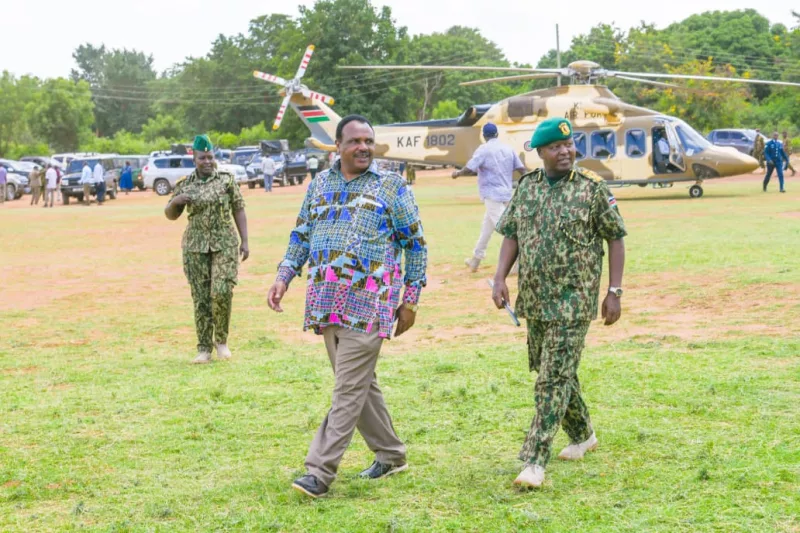
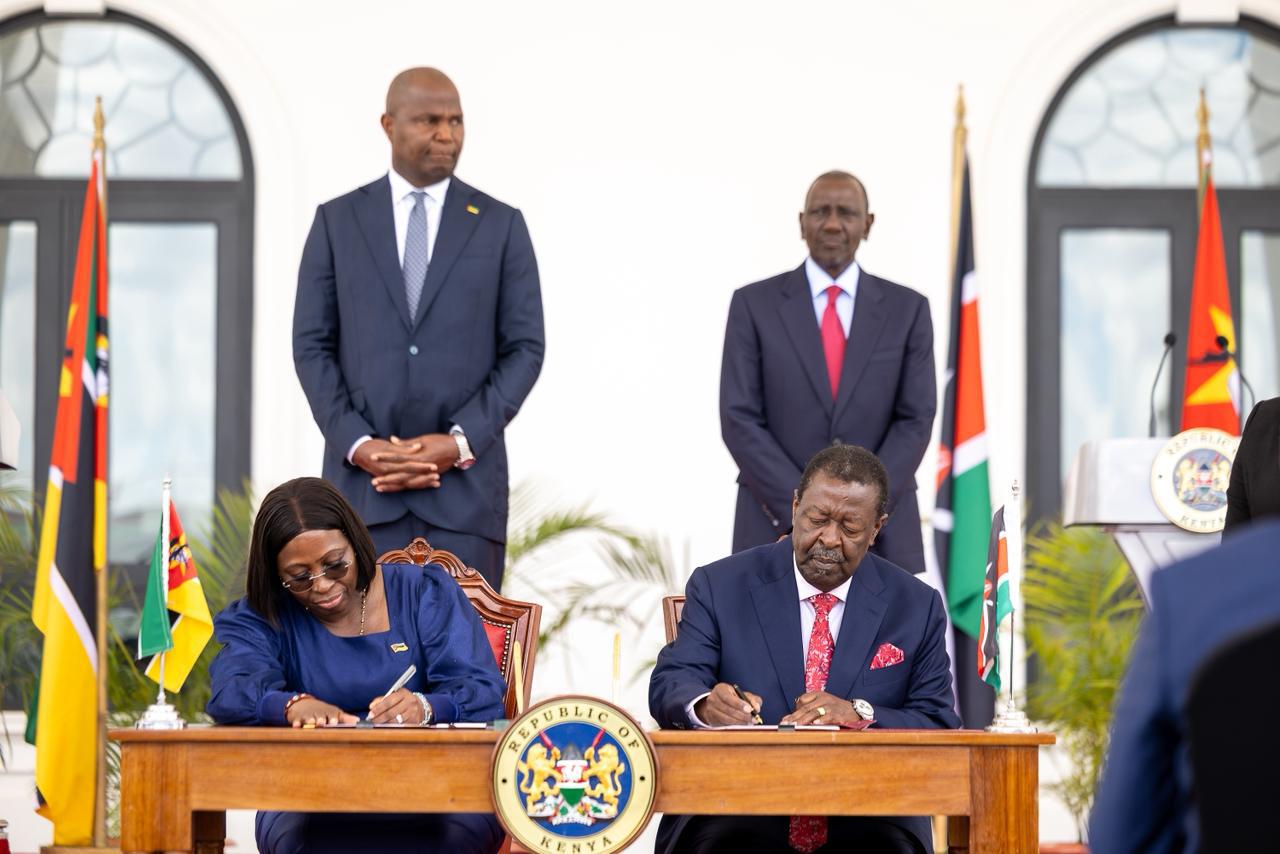
The three-day visit to Nairobi by Mozambican President Daniel Chapo at the invitation of William Ruto signalled a more deliberate partnership focused on trade, energy and connectivity.
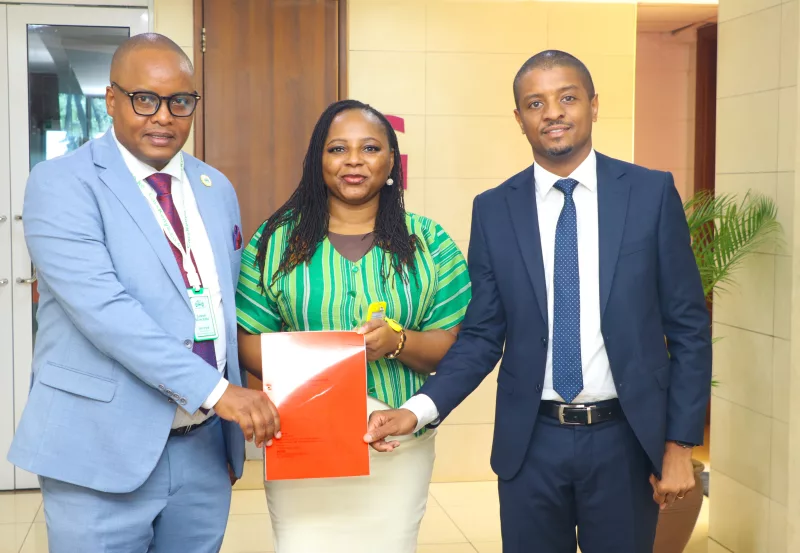
Following the bilateral talks between Presidents Ruto and Chapo, key cooperation agreements and MoUs were signed.
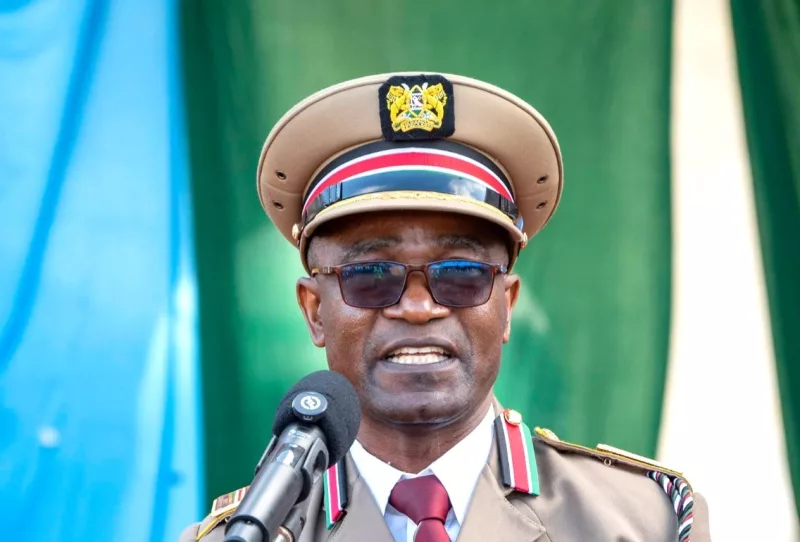
These are on diplomatic training, research and capacity building, correctional services as well as youth development and sports collaboration.
Ruto said the cooperation extends to tourism, clean energy and aviation as a vital enabler of trade and people-to-people relations, the blue economy and maritime cooperation.
“Additionally, we are collaborating in counter-terrorism and the promotion of peace, security and stability,” he said.
“Our collective goal is to advance a shared vision for the prosperity of our nations and the continent.”
Ministry of Foreign Affairs officials said the talks were aimed at reviewing bilateral ties and unlocking new areas of cooperation, including direct flights between Nairobi and Maputo, private sector investment and closer coordination on regional issues.
At first glance, Kenya and Mozambique appear unlikely partners, separated by distance, language and different regional blocs. However, these differences offer each country what the other needs or lacks.
Kenya is a gateway to East Africa, while Mozambique anchors Southern Africa. Together, they can link two major markets under the African Continental Free Trade Area (AfCFTA), diplomats in the ministry opine.
Against this backdrop, Kenya opens access to new export markets in Southern Africa, as it provides a route into East Africa’s fast-growing economies.
The recent visit builds on groundwork laid in 2018, when then Mozambique President Filipe Nyusi visited Kenya and toured the Port of Mombasa. That visit signalled early interest in logistics cooperation.
Kenya offers Mombasa and Lamu as entry points into the Eastern Africa region, while Mozambique has Maputo, Beira and Nacala ports serving Southern Africa.
Closer cooperation could thus boost cargo flows, cut transport costs and expand trade routes across the continent.
One of the most immediate calls for action is the introduction of direct flights between Nairobi and Maputo.
Direct flights would reduce travel time, ease business movement and strengthen people-to-people ties.
Mozambique’s vast natural gas reserves are also a major factor. Kenya is seeking reliable energy partnerships to support industrial growth, while Mozambican projects require investment and regional markets.
Talks focused on energy cooperation, alongside opportunities in infrastructure, agriculture and trade.
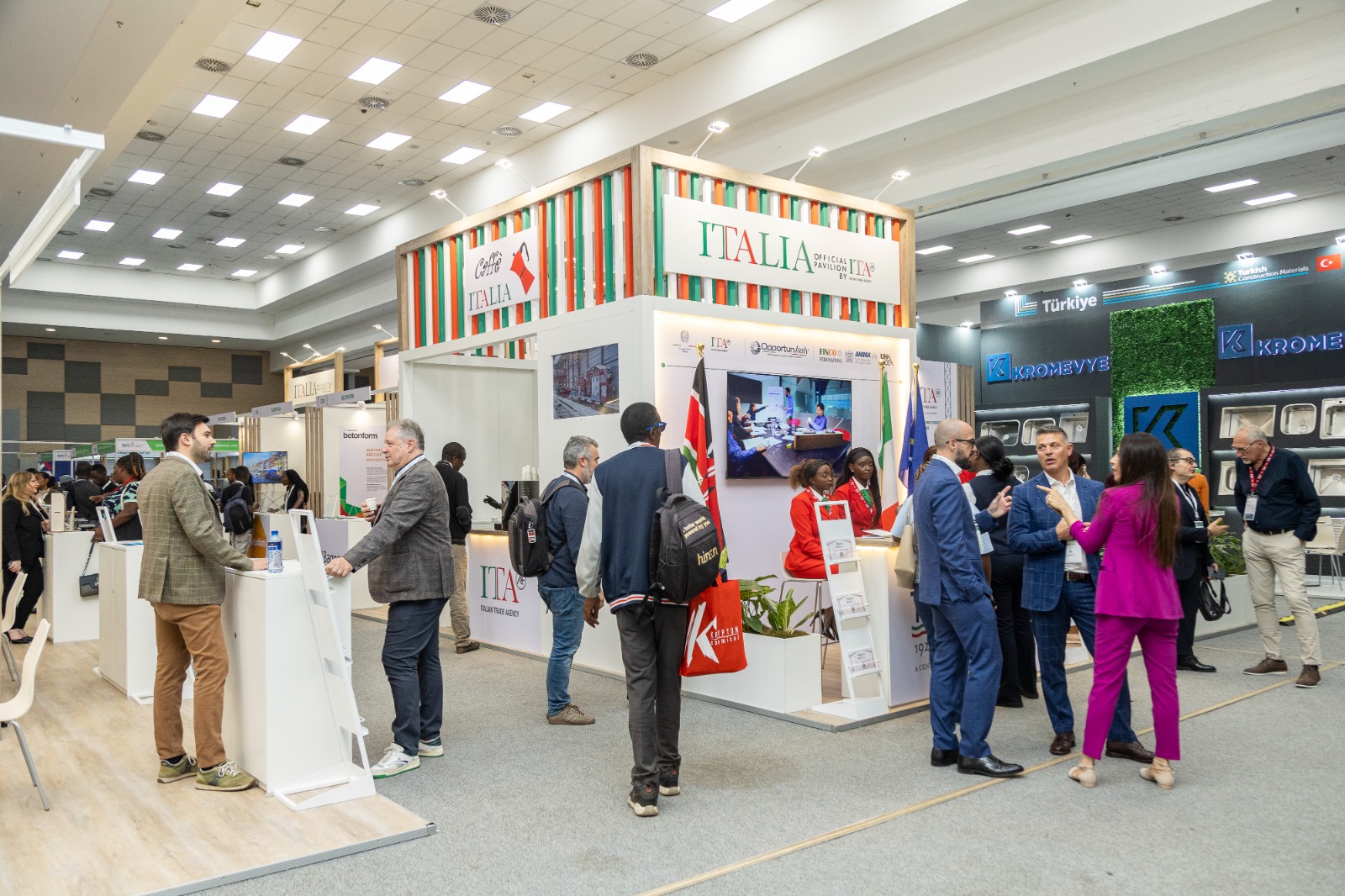
Chapo also attended the Kenya International Investment Conference, where 20 strategic investment deals worth $2.9 billion (Sh375 billion) were signed.
The deals cut across seven priority sectors: agriculture, manufacturing, ICT, BPO, healthcare, energy and real estate.
The growing engagement reflects Kenya’s broader foreign policy approach under Ruto.
He said they are strengthening trade and economic cooperation, building on the progress already achieved while unlocking untapped and underutilised opportunities.
“We are also addressing barriers to trade — tariff and non-tariff — to facilitate greater trade and investment between our two nations,” Ruto said.
Nairobi is expanding ties beyond traditional partners and focusing on economic diplomacy, building relationships that deliver trade, investment and jobs.
Mozambique fits into this strategy as a high-potential partner with resources, markets and strategic location.
During the Ministerial Segment of the Third Session of the Joint Permanent Commission for Cooperation that preceded the presidential talks, Kenya expressed interest in leveraging Mozambique’s natural resource endowment, particularly in natural gas. This would enhance energy security and promote investment partnerships.
Another key focus was the expansion of cooperation in the maritime and blue economy, with both countries recognising their strategic position on the Indian Ocean.
For ordinary Kenyans, stronger ties means more markets for Kenyan goods, better transport and logistics links, new investment opportunities and jobs.