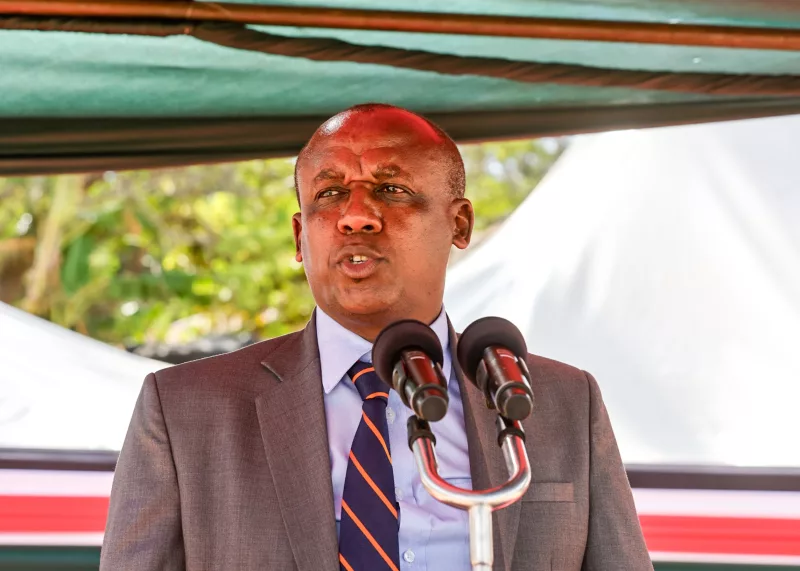
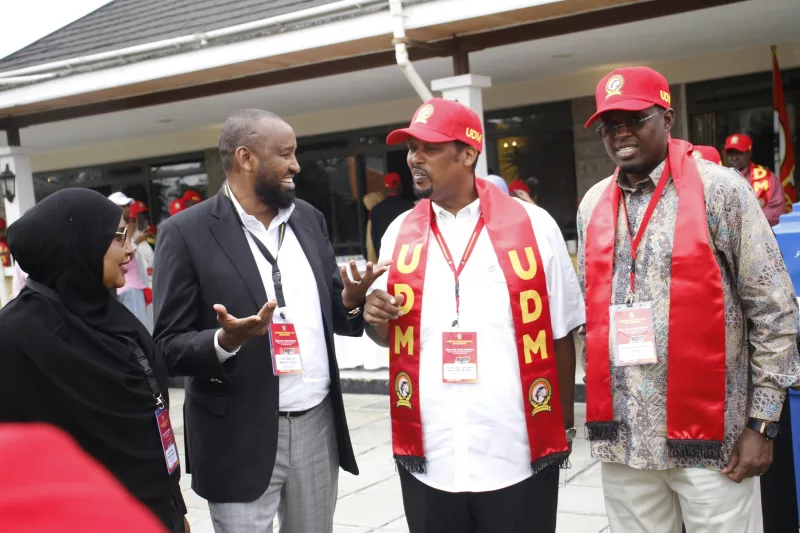
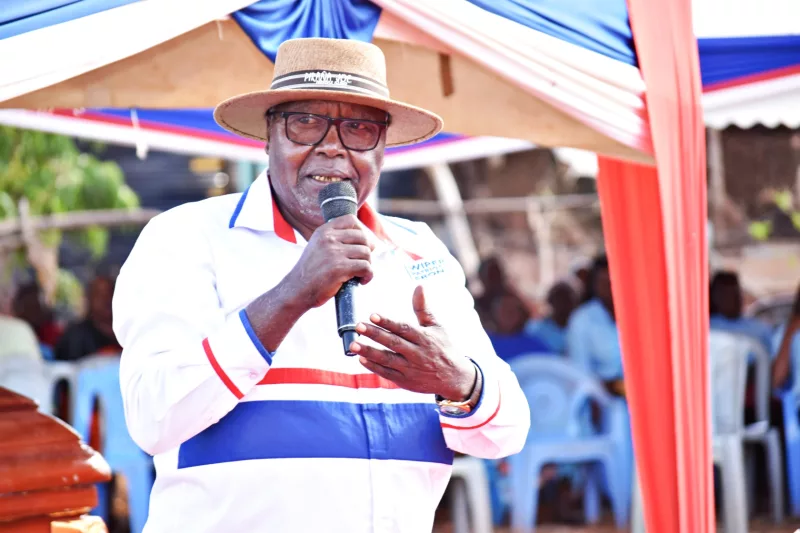
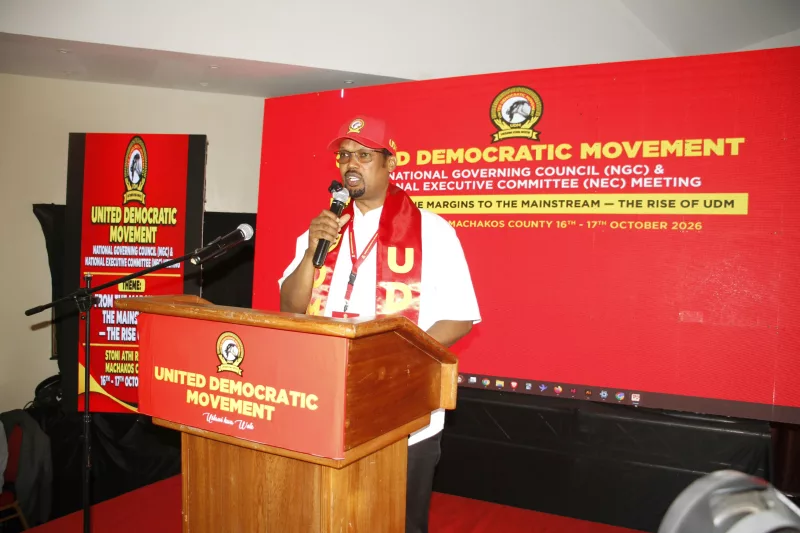
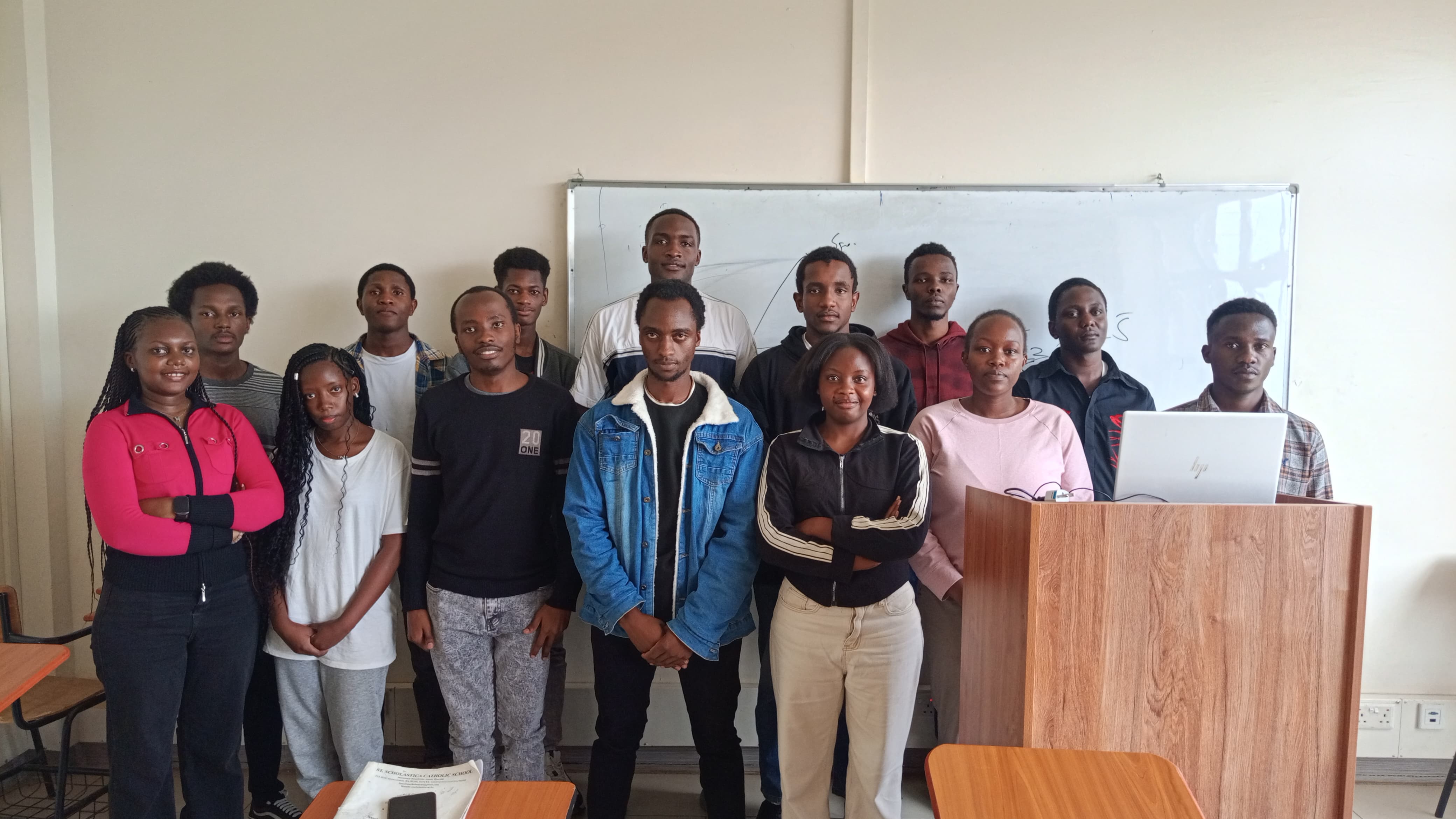
 Members of InnovationZ during the Entrepreneurial Education
Summit 2026 held at the Pullman Hotel, Nairobi, where InnovationZ was born /STEPHEN ASTARIKO
Members of InnovationZ during the Entrepreneurial Education
Summit 2026 held at the Pullman Hotel, Nairobi, where InnovationZ was born /STEPHEN ASTARIKO
Before illegal mining was banned in Dabel, northern Kenya, trucks moved in and out of the area as informal miners dug for gold.
By the time authorities arrived, forests had been cleared and rivers polluted with toxic chemicals.
This problem is common across Africa. Environmental officers often lack the tools and manpower to detect such activities early.
But a group of students at Zetech University is working on a solution—and their efforts reflect a bigger shift in how innovation is happening across the continent.
The problem: A broken innovation pipeline
Africa produces many graduates in science and technology, but few turn their ideas into real-world solutions or businesses. Experts call this a “broken innovation pipeline.”
Limited funding worsens the situation.
According to the World Economic Forum, African countries invest far less in research than the global average. As a result, many ideas never move beyond classrooms.
There is also a gap between discovery and real-world use—often called the “valley of death”—where promising student projects stall after graduation.
A new approach: Start with real problems
At Zetech, students are trying a different model through a startup initiative called InnovationZ.
Instead of building ideas in isolation, they work directly with professionals like farmers, engineers and environmental experts to identify real challenges first.
Entrepreneur Samuel Oduor calls the old method “blind innovation.”
“You cannot innovate for a farmer from behind a desk. You must understand real conditions,” he says.
One of the initiative’s most intriguing experiments blends human expertise with artificial intelligence.
Industry professionals—from mechanics to farmers—participate in structured interviews where they describe the challenges they encounter in their daily work.
These conversations are recorded and transcribed.
The transcripts are then processed through anthropic’s AI platform, Claude AI, which analyses the discussions and converts them into structured problem statements.
The system effectively creates a database of real-world challenges that innovators can use as the starting point for technological solutions.
In other words, the innovation process is reversed: problems come first, solutions second.
One project emerging from this ecosystem illustrates the potential of that approach.
A real example: Detecting illegal mining
One student, Kelvin Muriithi, applied this approach to environmental protection.
He developed MinerAI, a system that uses satellite data and machine learning to detect illegal mining activity early.
The project later grew into a startup called Xuremi, which aims to help authorities monitor environmental damage in real time.
Such tools could allow governments to act before ecosystems are destroyed, rather than after.
Why this matters
Africa’s innovation scene is growing fast, with hundreds of tech hubs emerging in cities like Nairobi. But universities still need to play a bigger role.
Experts argue that stronger links between universities and industries could unlock major economic growth and help solve local problems—from agriculture to climate change.
Organisations like the African Development Bank say innovation will determine whether African economies become knowledge-driven.
For farmers like Daniel Mwangi in central Kenya, the success of such innovations could have tangible consequences.
Mwangi says technological solutions developed far from farms often fail to reflect real conditions on the ground.
“Many technologies look good on paper but do not work for farmers. Tools developed in collaboration with farmers, however, have a better chance of succeeding. If innovators listen to us, they will build solutions that actually help,” he says.
Back in the mining region, the environmental officer scanning satellite maps imagines what monitoring could look like if technologies like MinerAI become widely available.
Instead of reacting after ecosystems are damaged, authorities could intervene earlier.
Across Africa, such innovations could help tackle a wide range of challenges—from illegal mining and deforestation to crop disease outbreaks.
For innovators likeMuriithi, the message is clear:
“Innovation without direction is just a hobby. By focusing on real-world challenges and collaboration, African universities could finally turn ideas into impact—and transform the continent’s innovation pipeline into a powerful engine for growth," he says.