 DG Patrick Amoth
Kenya has joined a major global effort to save newborn lives, even as pressure mounts on the health system following deep cuts in donor funding.
The five-year programme, known as the Healthy Birth Initiative, is valued at Sh11 billion and will focus on reducing newborn deaths.
It came at a time Kenya’s progress on neonatal survival has stalled, with little change recorded over the past 15 years.
Kenya loses about 33,000 newborns annually, mostly through premature births, lack of oxygen and infections, according to the Ministry of Health.
This translates to about 21 deaths per 1,000 live births and is a far cry from the Sustainable Development Goal target of at least 12 deaths per 1,000 live births.
The new initiative will be rolled out in 12 counties that together account for more than half of all newborn deaths in the country.
These include Kakamega, Trans Nzoia, Uasin Gishu, Kisumu, Nairobi, Mombasa, Kilifi, Garissa, Nakuru, Kiambu, Kericho and West Pokot.
The initiative was announced at the ongoing International Maternal Newborn Health Conference (IMNHC) in Nairobi, which is addressing the health of mothers and newborns, as well as the prevention of stillbirths.
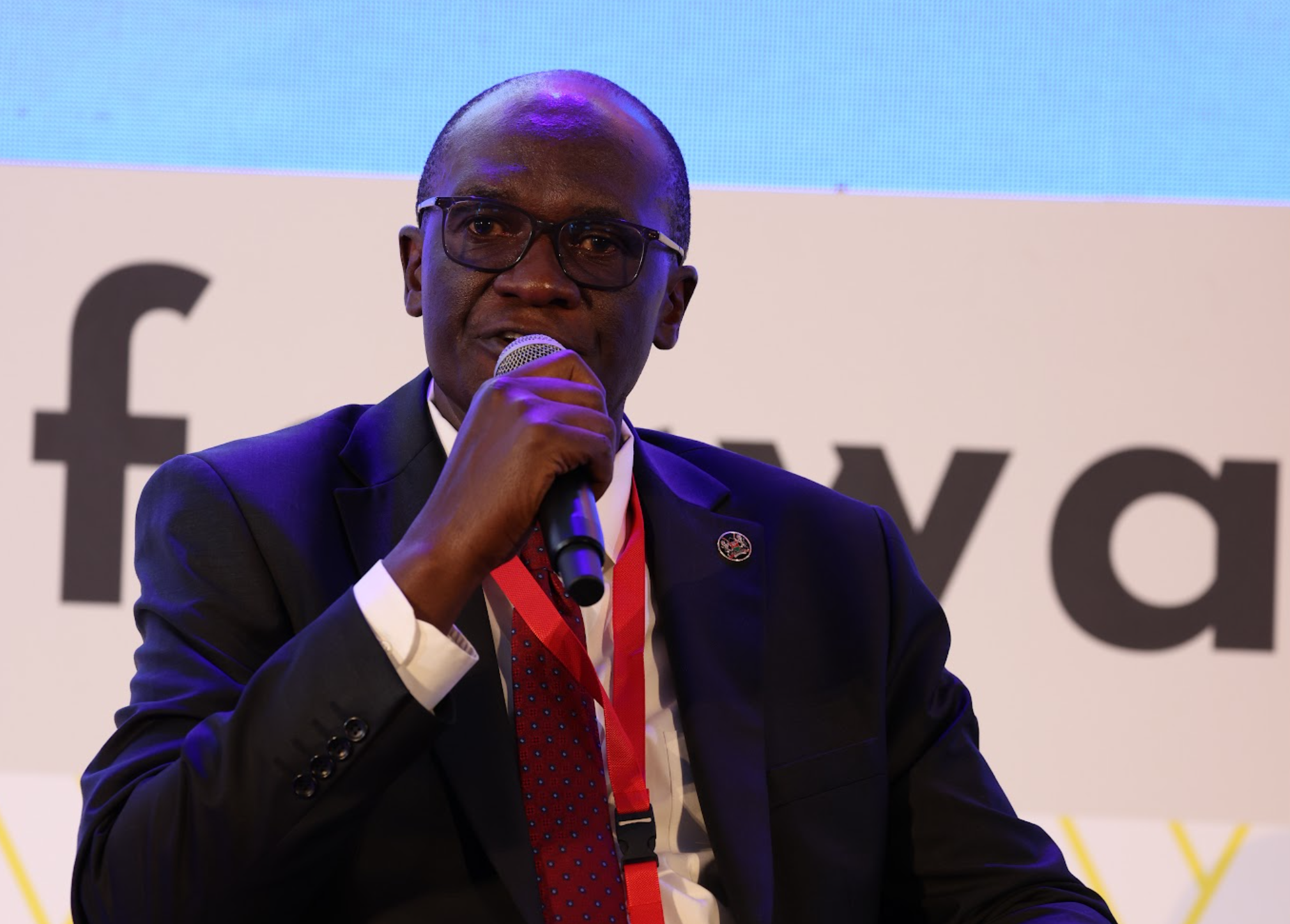
Director General for Health Dr Patrick Amoth said the country has made some gains over the years, but progress has slowed and remains below global targets.
“We have made this decision deliberately, we understand the burden we carry and we need to see how to do things differently to move the needle towards the SDG target,” he said.
Amoth said the continued loss of newborns reflects gaps in how proven solutions are being applied.
“We know what works, such as quality antenatal care, skilled delivery, timely newborn care and a strong referral system,” he said.
Health data shows most newborn deaths are linked to premature birth, breathing difficulties at birth and infections such as sepsis.
The Healthy Birth Initiative is being supported by Jhpiego, a global health organisation affiliated with Johns Hopkins University. The funding is expected to complement investments already being made by national and county governments.
Deborah Bossemeyer, senior vice president of Global Programmes and Technical Excellence at Jhpiego, said the goal is to close the gap between knowledge and practice.
“Normally, evidence is generated in one place, innovations are tested in another, investments flow elsewhere and health systems are left connecting the dots,” Bossemeyer said.
Nakuru county, one of the target regions, has committed about Sh155.5 million to maternal and newborn health. Officials said the funds will support training for health workers and help equip facilities to handle complicated cases.
“We will ensure that our facilities are equipped with the essential equipment and commodities needed to care for mothers and newborns, especially those who are small and sick,” the statement read.
Experts say more attention must now be directed towards newborns, who often receive less attention than mothers.
“For every six mothers that we lose, there are another six newborns and while focus has been on what the mother needs, we are yet to have the same intensity in what newborns need, such as ICUs in every county,” Jhpiego Kenya’s country director Paul Nyachae said.
The renewed push to improve newborn survival came amid a funding crisis that has strained maternal and neonatal health services.
A new analysis shows Kenya lost up to 55 per cent of donor funding for maternal and newborn health in 2025. The drop was among the steepest in sub-Saharan Africa, matched only by countries such as South Sudan and Uganda.
The decline disrupted vaccine supply chains and reduced outreach services, particularly in rural and marginalised areas where access to care is already limited.
In response, Kenya has turned to internal reforms and partnerships to keep services running.
One key change has been allowing health facilities to directly retain and use the money they collect through the Facility Improvement Fund. Previously, facilities had to send funds to central accounts and wait months for disbursement.
Researchers say the funding cuts have come at a difficult time for the country’s economy.
This is according to a new analysis presented at the IMNHC conference, titled Resilience in Action: How selected countries in sub-Saharan Africa are responding to cuts in donor funding for immunisation and MNCH.
“For every shilling, 66 cents go to debt servicing, leaving less than 30 cents not only for healthcare but also for other public needs like education, security and others,” said Dr Caleb Mulongo, one of the study’s authors.
He said heavy reliance on external funding has exposed the health sector to shocks.
“This is particularly hard when more than half of the funding comes from sources that are not reliable and predictable,” Mulongo said.
Despite the challenges, the government has signalled plans to increase domestic investment in health.
Rachel Ndirangu, Path’s regional director of Advocacy and Public Policy, said strengthening primary healthcare will be key to protecting mothers and newborns.
"Primary health care is where maternal and child health becomes a reality for many families," Ndirangu said.