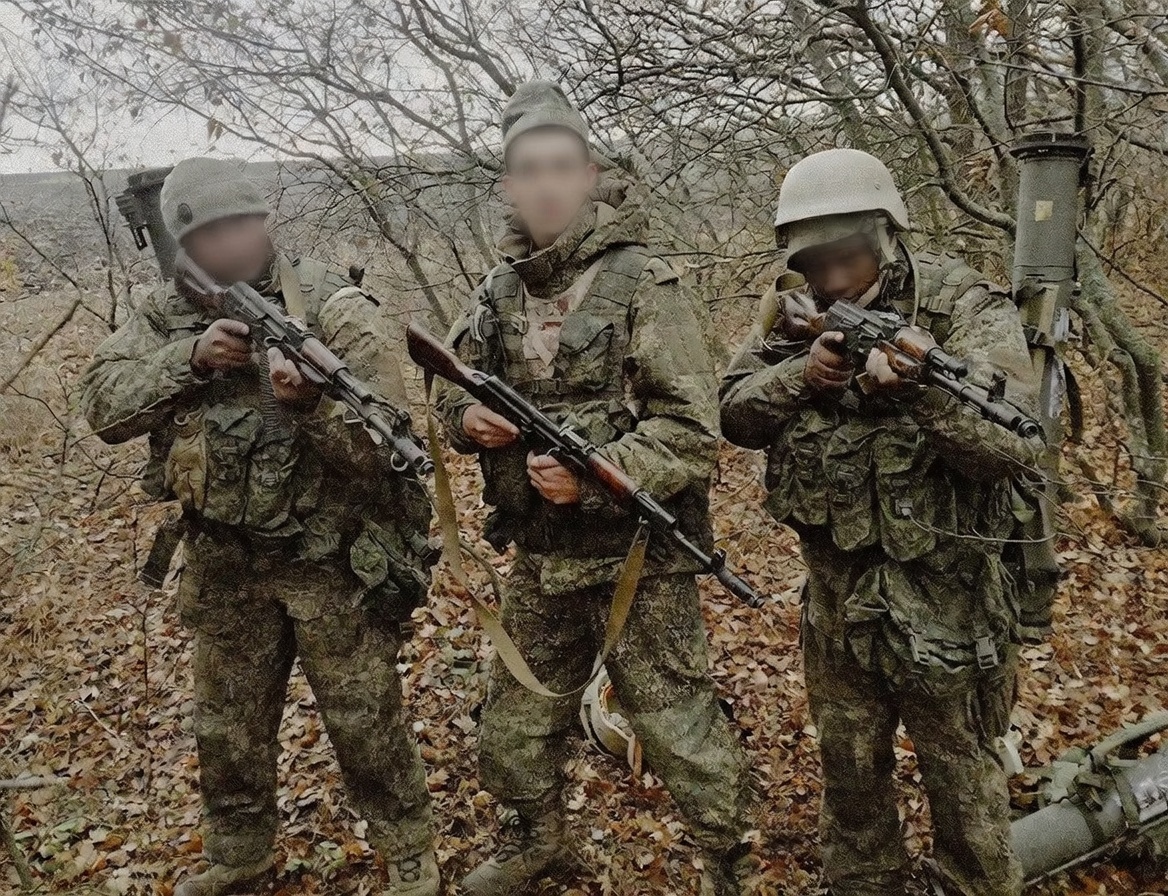
Kenyan families are increasingly turning to symbolic burials for relatives who died while fighting for Russia in the Ukraine war, following unsuccessful efforts to secure government intervention to repatriate their loved ones’ remains.
The move comes amid mounting pressure from civil society organisations urging the government to take decisive action, particularly in facilitating the return of bodies for dignified burials. Families say the lack of progress has forced them to seek alternative ways to find closure.
A group led by Peter Kamau, who lost a relative in the conflict, gathered at Nairobi’s Jeevanjee Gardens to petition Prime Cabinet Secretary and Cabinet Secretary for Foreign and Diaspora Affairs Musalia Mudavadi, as well as Labour Cabinet Secretary Alfred Mutua.
The petition calls for urgent parliamentary oversight, a comprehensive status report on affected Kenyans, and accelerated repatriation efforts.
“We emphasise the urgent need for transparent, structured repatriation plans and systemic reforms to ensure Kenyans are not exposed to exploitation under fraudulent recruitment schemes,” Kamau said.
“The families remain committed to collaborating with state institutions and civil society in seeking justice and the safe return of all affected nationals.”
Despite diplomatic engagement, including Mudavadi’s recent visit to Russia where he held talks with officials in Moscow, families say little tangible progress has been made.
In Mukurweini, Nyeri County, the family of Charles Waithaka became one of the first to hold a symbolic burial. Months after learning of his death in the war, relatives gathered at their homestead and lit 31 candles—one for each year of his life—in a ceremony meant to provide some sense of closure.
Waithaka’s body has not been recovered due to the intensity of fighting in the conflict zone. His family says the pain of losing him is compounded by the uncertainty surrounding his final resting place.
“We buried hope today, not a body,” one family member said. “This pain is unbearable. Not knowing where your child lies is torture.”
According to the family, Waithaka travelled to Russia on October 25 last year in search of better economic opportunities after being promised employment. He was later recruited into the Russian army and deployed to the frontline.
In Kisii County, the family of Clinton Nyapara faced a similar ordeal. Three months after confirming his death, they held a symbolic burial on March 10, 2026, in Bomariba Village, Bonchari Constituency.
Nyapara, who had been working as a security guard in Qatar, was allegedly lured into joining the Russian army before being deployed to Ukraine, where he died in the Donetsk region.
With no body to bury, the family opted to plant a tree in his memory after consultations with local elders, marking the grave with a living symbol of remembrance.
Another family in Irumbuti village in Ndeiya, Kiambu County, also conducted a mock burial for their kin, 33-year-old James Kamau. Relatives said that although there was no body, the ceremony allowed them to symbolically lay his spirit to rest.
The Ministry of Foreign and Diaspora Affairs estimates that at least 252 Kenyans have been illegally conscripted to fight on the frontline, though a report tabled in Parliament suggests the number could exceed 1,000.
Many of those affected reportedly travelled abroad in search of employment, only to be deceived into signing military contracts in Russian, which they did not fully understand.
Mudavadi recently disclosed that 44 Kenyans have so far been repatriated, while 11 have been reported missing or killed in action.
An additional 38 are currently hospitalised in various Russian facilities under restricted access, with about 160 still actively involved in the conflict.
During bilateral talks, Russia agreed to place Kenya on a “stop list” aimed at preventing further recruitment of Kenyan nationals into the war.
Even so, affected families continue to demand more urgent and concrete action from the government, saying symbolic burials, while emotionally significant, cannot replace the dignity of laying their loved ones to rest at home.