President William Ruto’s flagship Affordable Housing Programme, designed to bridge the housing gap and create jobs, now faces major implementation challenges.
A new audit report by Auditor General Nancy Gathungu found delays, oversight weaknesses and planning gaps across the multibillion-shilling initiative.
The Special Audit report on the Affordable Housing Programme project status as at March 31, 2025, was tabled in the Senate last week.
“The physical verification exercise confirmed that while notable progress has been made on several AHP projects, some are likely to face delays in implementation,” the report states.
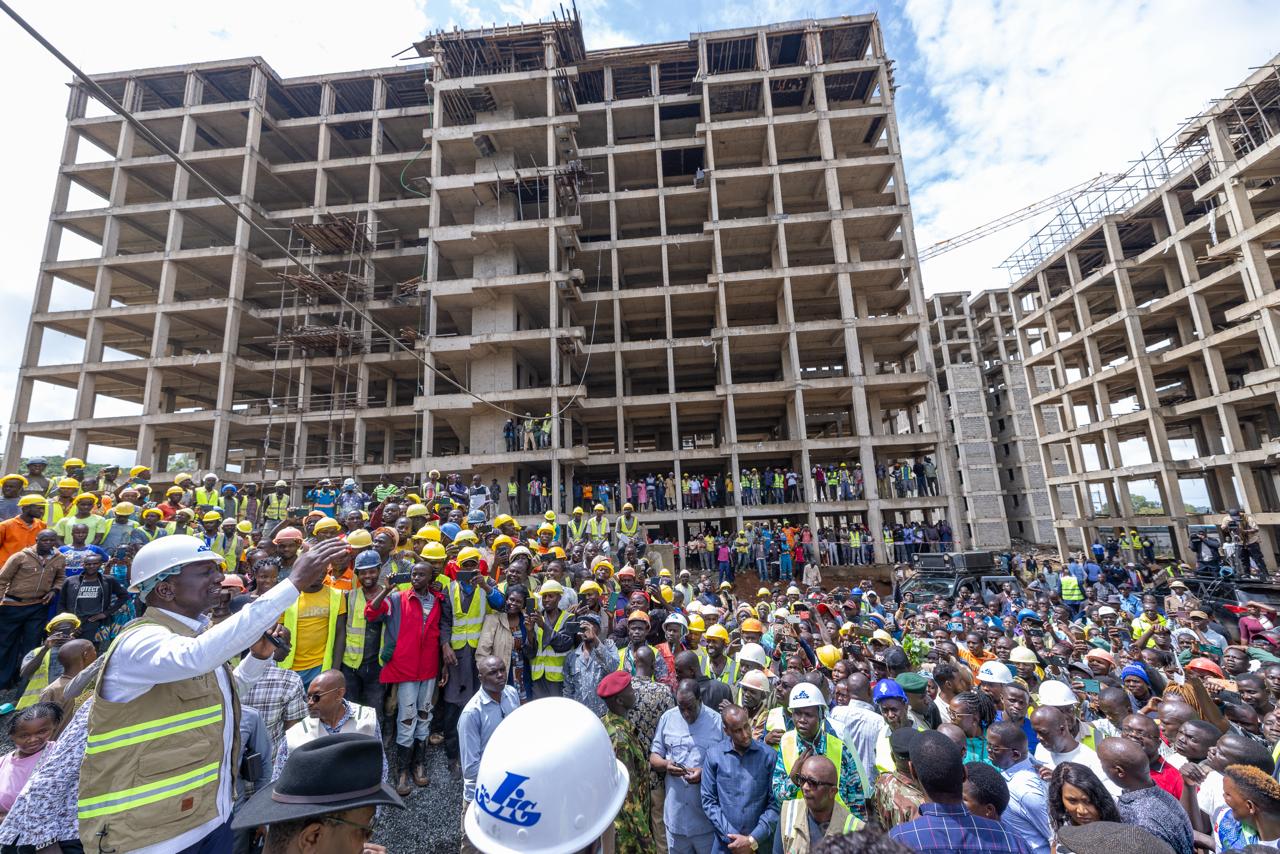
At the heart of the problems is the awarding of contracts to single contractors and consultants for multiple projects simultaneously, which has hindered timely delivery and effective supervision.
“Verification was hindered in some cases due to the unavailability of consultants on site, as a result of overseeing multiple sites simultaneously,” Gathungu noted.
The report also points to poor contractor performance and weak oversight due to inadequate staffing, logistical challenges and delayed payments.
“The delays were mainly attributed to pending procurement processes, land acquisition issues and ongoing design approvals,” the audit reads.
Delays in securing statutory approvals have further slowed project execution.
Many sites lack the necessary permits from county governments, the National Construction Authority, the Water Resources Management Authority and compliance with the Occupational Safety and Health Act.
In some cases, construction continued beyond contractual periods without documented approval for extensions.
“Performance bonds and advance payment guarantees had expired in several projects without renewal,” the report adds, raising concerns over financial accountability.
Project files were poorly maintained, site meetings went undocumented, and signboards were either missing or displayed inaccurate information.
Relocation of power lines, sewer and water pipes, and resettlement of project-affected persons, were also cited as factors slowing progress.
Insecurity in regions such as Mandera and Turkana, coupled with logistical bottlenecks, further disrupted execution.
The audit revealed that land ownership documentation was inconsistent.
“A number of projects were implemented on community land or land held under customary arrangements, while some lacked verifiable documentation at the time of audit,” the report notes.
Political tensions and hostile work environments in some counties also disrupted work.
Locations such as Nanyuki Modern Market Block 2 and Runyenjes Modern Market are still occupied by traders, delaying full possession.
Supervision of various projects is hampered by limited transport for project management teams, insufficient technical staff and delayed payments to Clerks of Works and Inspectors of Works.
Many projects also lacked essential infrastructure, such as sewerage systems, electricity and road access, potentially affecting contractual obligations and long-term usability.
“The absence of sewerage connections or septic systems in some projects, particularly markets, presents potential contract variation implications,” the audit states.
Planning gaps before the programme’s rollout were also highlighted.
The government did not conduct a comprehensive feasibility study before implementation.
While sector studies, diagnostic reports and surveys were referenced, they did not result in a single consolidated appraisal or cost-benefit analysis.
“The programme’s conceptualisation did not demonstrate the level of analytical rigour expected of a flagship national programme involving significant public resources,” the report says.
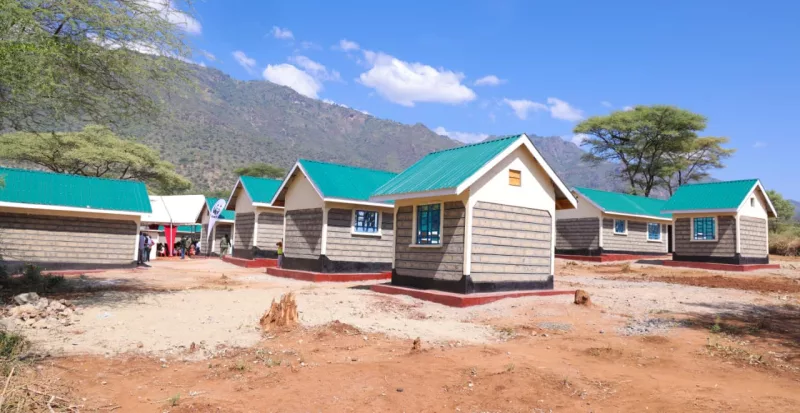
The Affordable Housing Programme includes Affordable Housing Projects, Institutional Housing, Social Housing, Economic Stimulus Programme (ESP) Markets, Market Sheds and Stalls, Modern Markets, High Mast Floodlights, and supporting infrastructure such as access roads and drainage systems.
As at time of the audit, the Affordable Housing Board was undertaking 841 projects across the 47 counties.
These included 142 Affordable Housing Projects, 159 Institutional Housing Projects, 24 Social Housing Projects, 187 ESP Markets, 47 Market Sheds and Stalls, 42 Modern Markets, 72 High Mast Floodlights, 65 social and physical infrastructure projects and 104 access roads and drainage projects.
“Physical verification of 138 Affordable Housing Projects revealed that 60 were ongoing, 78 had yet to commence and four had not started due to adverse weather, security concerns or logistical challenges arising from their geographical spread,” the report says.
“While notable progress was evident at several sites, these systemic issues were observed to have contributed to delays, stalled works and uneven implementation progress in some projects,” the report notes.
Despite these challenges, the audit acknowledged that ongoing projects demonstrated tangible delivery of programme outputs.
However, the high proportion of stalled or yet-to-commence projects reflects challenges in sequencing, coordination and execution capacity.
Gathungu warned that without corrective measures, these issues could undermine the government’s goal of providing affordable housing and creating employment.
“The absence of a documented cost-benefit analysis, formal affordability threshold analysis and adequately substantiated planning assumptions limited assurance on financial sustainability, affordability calibration and implementation readiness, thereby exposing the programme to implementation risks,” the audit states.
The audit report underscores the urgent need for stronger supervision, improved planning and accountability to ensure public resources are used effectively.
“While several of the identified risks are transitional in nature and may diminish as the Affordable Housing Board becomes fully operational, others require deliberate and sustained management attention,” Gathungu says in the report.