Donald Trump calls Nato allies "cowards", saying it would be "easy" for them to help open the Strait of Hormuz.
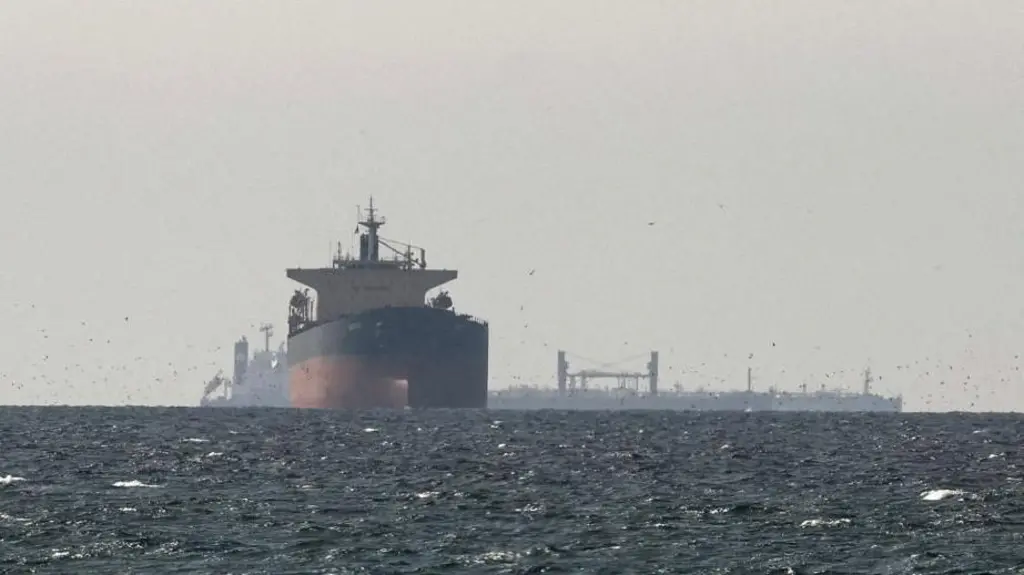
The US president called on allies to secure the vital shipping lane last week, but said on Tuesday "most" had informed the US they did not want to get involved.
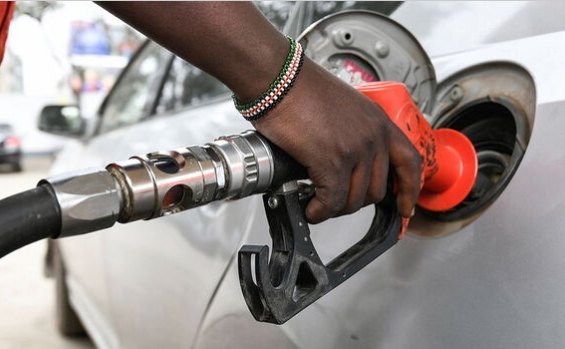
Energy fears have kept oil prices high, hovering around $109 a barrel; the head of the International Energy Agency tells the BBC the world faces the "greatest global energy security challenge in history".
Meanwhile, Iranian state TV has read out a written message from Supreme Leader Mojtaba Khamenei, calling for resistance at a time of war.
The Iranian foreign ministry said Iran has told the UK that allowing the US to use British military bases will be considered "participation in aggression". Downing Street says it is "not getting drawn into wider war".
Israel has been hitting Tehran with air strikes as Iranians mark Nowruz - the Persian New Year. Iran launched rounds of missiles at Jerusalem.
"I don't want this to be our last Nowruz" - Iranians tell the BBC about their fears on Persian new year.
The United Arab Emirates, Kuwait, Saudi Arabia and Bahrain all reported missile or drone attacks. A drone attack at a Kuwaiti oil refinery has caused a fire, according to state media.
A timeline of Trump's criticisms of Nato over the Strait of Hormuz
28 February: The US and Israel launch widespread strikes on Iran. Iran responds with retaliatory strikes on sites in nearby Gulf states, many of which house US bases.
14 March: Trump urges the UK and other nations to send warships to the Strait of Hormuz, which has been effectively closed by Iranian threats on shipping, causing the price of oil to soar.
15 March: In an interview with the Financial Times, Trump says it would be "very bad for the future of Nato" if allies do not help secure the vital shipping lane.
16 March: Starmer says the UK is working on a "viable plan" to reopen the strait. Trump later says "some countries" have "greatly disappointed" him, and singles out the UK - once "the Rolls-Royce of allies".
17 March: Trump accuses Nato members of making a "foolish mistake" over the strait. He insists "we don't need any help" from Nato. He also says the reluctance to send mine-sweeping vessels to the Gulf was "not a big deal", but was "unfair" to the US.
In a separate, lengthy post on Truth Social, Trump says "most" Nato allies "don't want to get involved with our Military Operation" and says: "WE DO NOT NEED THE HELP OF ANYONE!"
"Because of the fact that we have had such Military Success, we no longer 'need,' or desire, the NATO Countries’ assistance — WE NEVER DID!" he says.
20 March: Trump calls Nato allies "COWARDS", saying it would be "easy" for them to help open the strait, adding "we will REMEMBER!"
Trump says there is 'nobody' in Iran the US can talk to
Trump's comments on Iran at the White House earlier were brief, and offered very little insight into his thinking on the way forward.as the Operation Epic Fury continues.
One thing that stood out to me was Trump's remark that "we want to talk to Iran" but that there is "nobody to talk to".
The US president has repeatedly said that multiple rungs of Iran's leadership has been decimated, and has suggested that Mojtaba Khamanei may not be physically able to lead the country after being injured earlier in the war.
It is unclear then who he believes is in charge of Iran on a day-to-day basis, or who he believes could come next.
Trump has said he believes the US should play a part in choosing Iran's next leader, and that his preferred option would be someone already in the country, an Iranian version of Venezuela's Delcy Rodriguez.
But so far, nobody in the administration has publicly identified who that might be.
Khamenei was named as Iran's new supreme leader earlier this month, but has not been seen since, although several statements attributed to him have been published by Iranian media - you can see the latest in our last post.