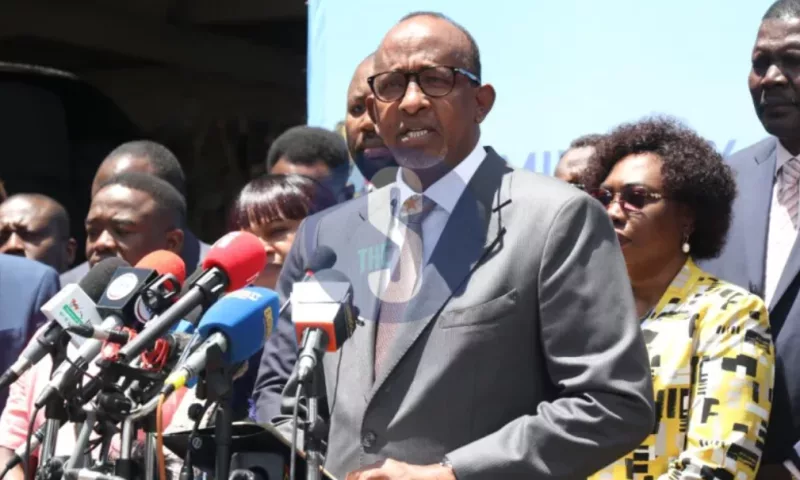
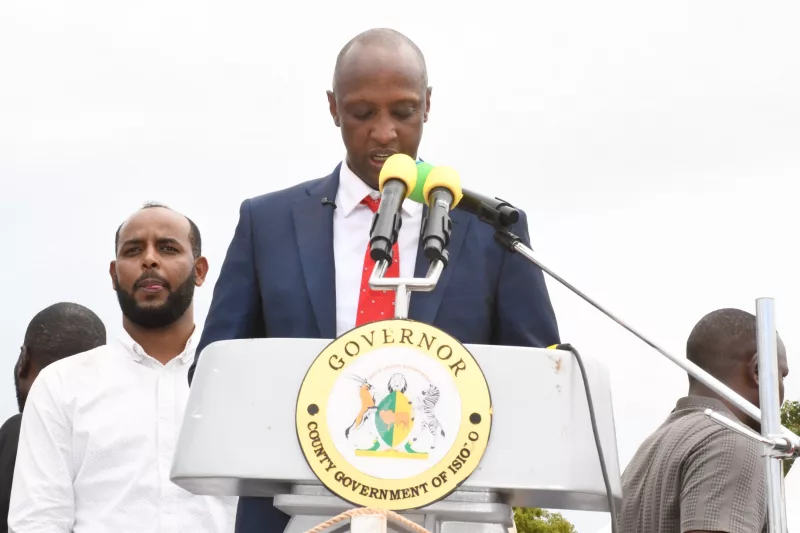
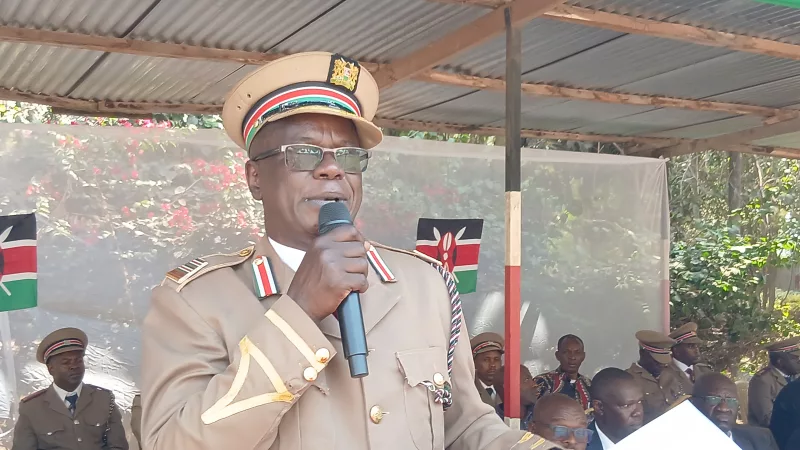
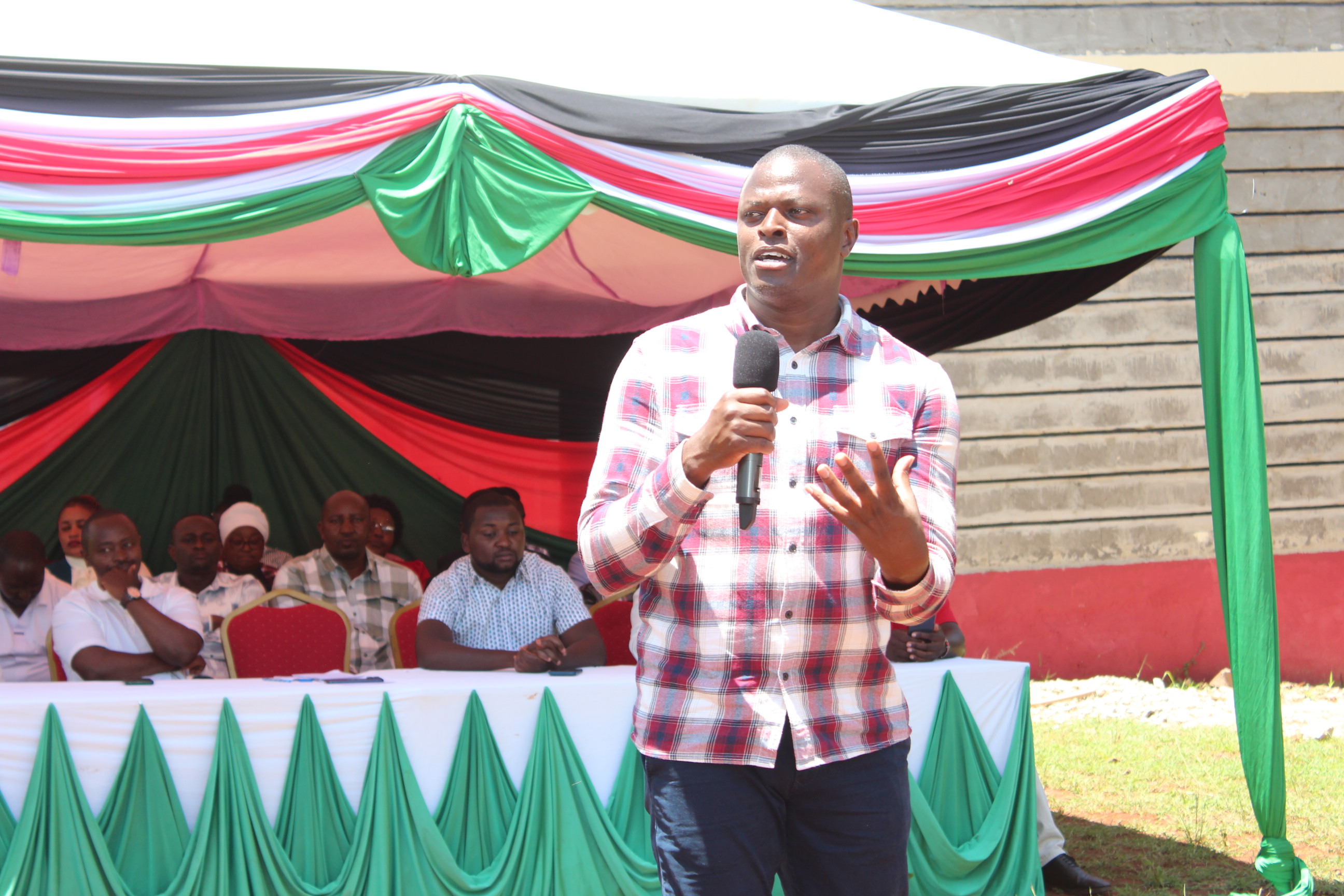
 Kiharu MP addressing Karema-ini residents in his constituency during the commissioning of three laboratories at Karema-ini secondary school on March 13, 2026/ ALICE WAITHERA
Kiharu MP Ndindi Nyoro has urged the national government to ensure that oil exploitation in Turkana directly benefits ordinary Kenyans, warning against starting crude oil production while citizens continue to face high living costs.
Nyoro said tensions in the Middle East have raised concerns over global fuel price volatility. He noted that Kenya has already invested significant public resources in the Turkana oil project and stressed that its benefits must reach the population.
The lawmaker warned against a scenario where oil production begins but local communities and the wider Kenyan public fail to gain from the resource.
“As discussions continue about developing oil resources in Kenya, it would be extremely wrong and unacceptable if the country begins producing oil but ordinary Kenyans do not benefit from it,” he said.
Kenya’s main oil deposits are in the South Lokichar Basin in Turkana County, where recoverable reserves are estimated at more than 300 million barrels. The project is expected to attract about Sh789 billion (approximately $6.1 billion) in investment over 25 years.
Speaking at Karema-ini Secondary School, where he commissioned three laboratories, Nyoro also raised concerns about proposed transport infrastructure to support the oil sector.
Early plans include transporting crude by road, with potential expansion to rail or pipelines for export. Production is expected to start at about 20,000 barrels per day, rising to around 50,000 barrels per day as more wells come online.
Nyoro questioned proposals for publicly funded infrastructure that would primarily benefit private oil investors, saying taxpayer-financed projects should first serve residents.
“Leaders were elected by the people to serve the nation, not to pursue personal ambitions or profit from fuel supply deals while Kenyans continue suffering because of high prices,” he said.
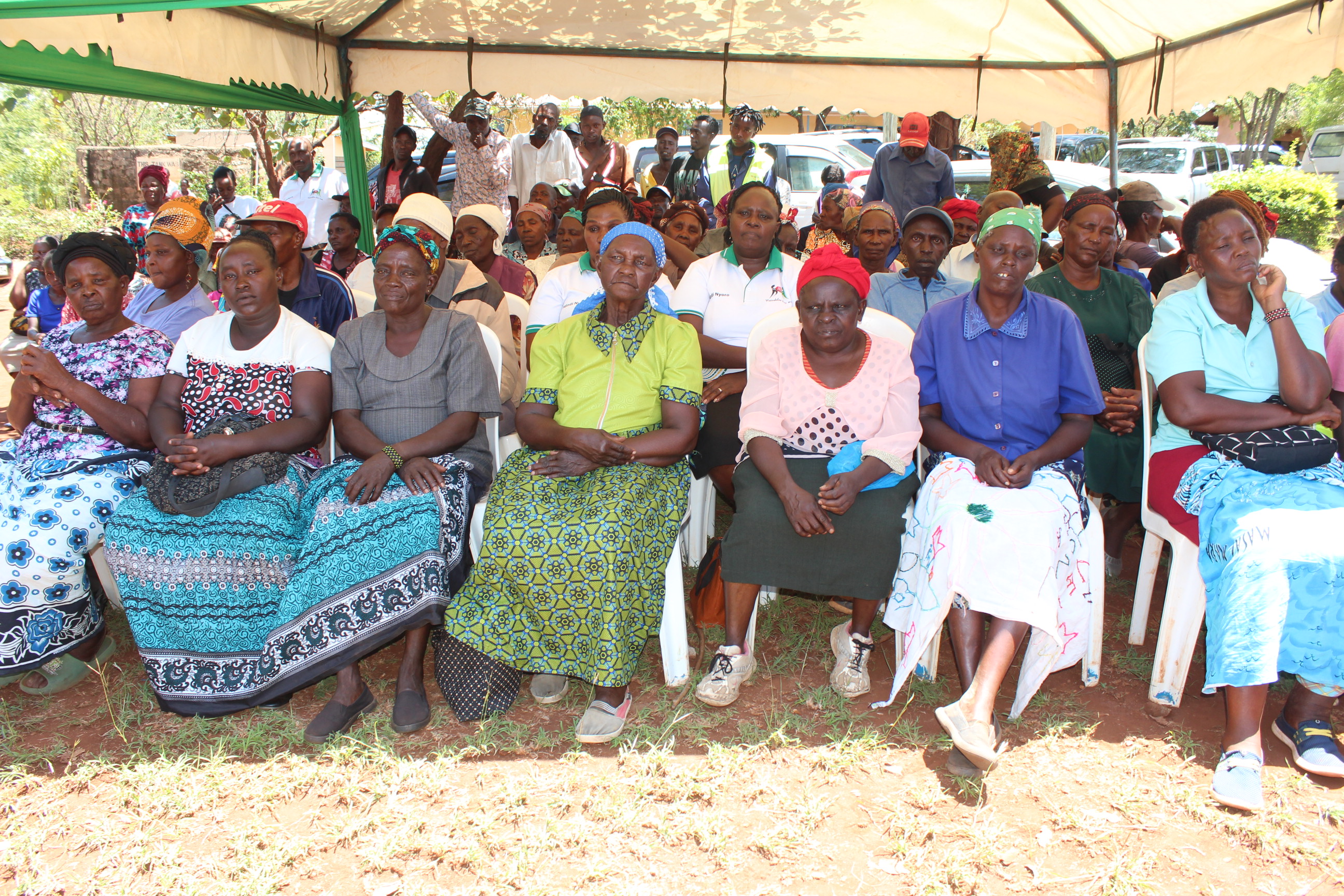 Residents of Karema-ini village during the commissioning of a computer, home-science and Sciences laboratories in Kiharu constituency on March 13, 2026/ ALICE WAITHERA
The government is considering a Sh220 billion, 640-km metre-gauge railway from Rongai to South Lokichar as a cheaper alternative to the previously planned pipeline. Nyoro argued that such a railway should also improve transport connectivity for northern Kenya residents and support broader economic development.
The MP further urged the Energy and Petroleum Regulatory Authority (EPRA) not to raise fuel prices, cautioning against linking local pump prices to recent Middle East tensions when the fuel in the country was imported before the conflict.
Nyoro also highlighted the heavy tax component in fuel prices, noting that about 45 per cent of the cost paid by consumers consists of taxes and levies.
“The government must understand the consequences of sudden increases in fuel and energy prices. You must review the fuel levies immediately to cushion consumers during the current global energy uncertainty,” he said.
He also called on authorities to address concerns regarding the government-to-government (G2G) fuel import arrangement introduced in 2023. The framework allows selected oil companies to import petroleum products on extended credit terms to stabilise supply and ease pressure on foreign exchange reserves.
Kenya consumes roughly 5.5 to 6 million tonnes of petroleum products annually (about 130,000 barrels per day), most of which falls under the G2G framework, particularly petrol, diesel, and jet fuel.