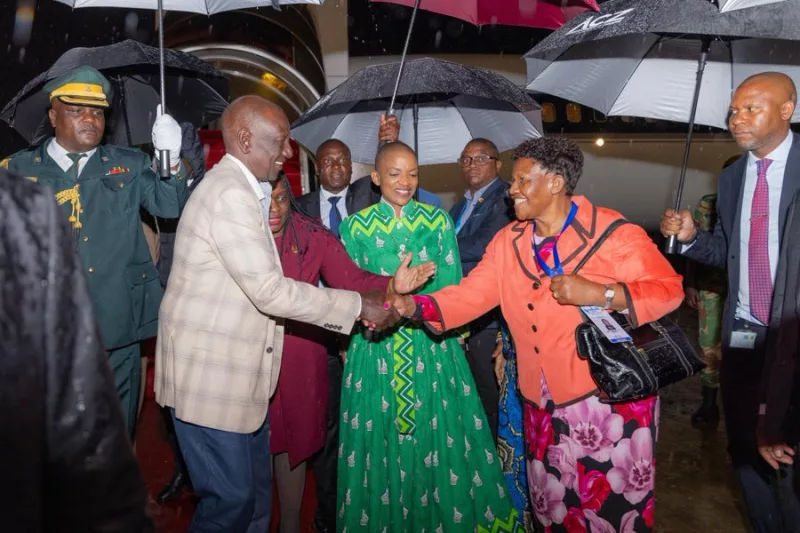
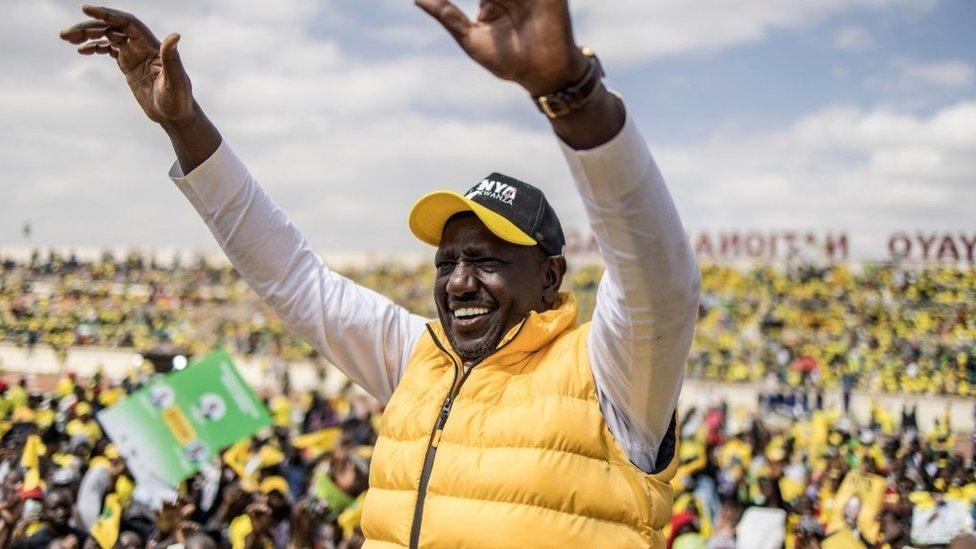
 President William Ruto,/FILE
President William Ruto is quietly executing a wide-ranging political strategy to counter an opposition alliance determined to deny him a second term in the 2027 General Election.
Across the political divide, opposition leaders are working to form a formidable coalition reminiscent of the alliance that swept aside the long-ruling Kanu regime in 2002.
Their goal is to consolidate anti-Ruto forces into a unified bloc capable of unseating the President after just one term.
But while the opposition seeks unity, Ruto and his allies are rolling out what insiders describe as a carefully choreographed plan to control the political map.
Political analyst Peter Kagwanja notes the President’s strategy reflects a deep understanding of Kenya’s political dynamics.
“I am basically warning ourselves, as opposition, that if you want to fight with a master, please prepare for it because it is not a joke,” Kagwanja said.
At the centre of Ruto’s strategy is a plan to penetrate opposition strongholds, strengthen the ruling United Democratic Alliance (UDA) party, and potentially inherit the political infrastructure of the Orange Democratic Movement (ODM).
The President has intensified efforts to reorganise UDA through grassroots elections and internal structures designed to entrench his influence across the constituencies.
The effort aims to transform the ruling party into a national political machine capable of mobilising voters well ahead of the 2027 polls.
Ruto has also positioned trusted allies in key regions to anchor his campaigns and counter opposition advances.
Nandi Senator Samson Cherargei, a close ally, says opponents underestimate the scale of the President’s approach.
“The opposition says they want to form a mammoth coalition. They should know that President Ruto is a tsunami. He approaches politics from different angles,” Cherargei said.
Beyond party organisation, Ruto is banking heavily on his development agenda to secure re-election.
He has repeatedly argued that his economic reforms and infrastructure projects will win voter support nationwide.
Central to this is a proposed Sh5 trillion infrastructure fund, designed to transform transport and development across the country.
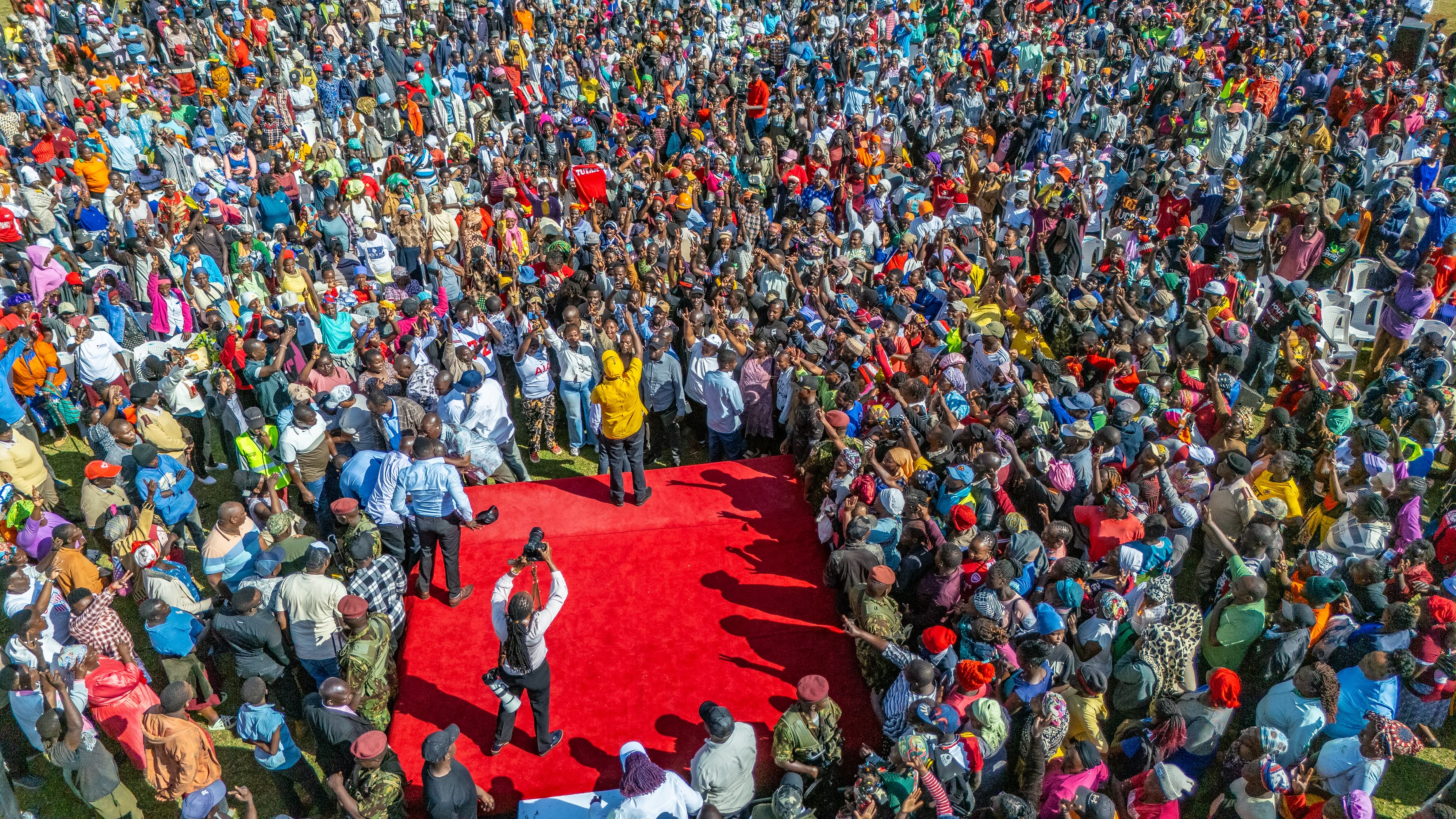
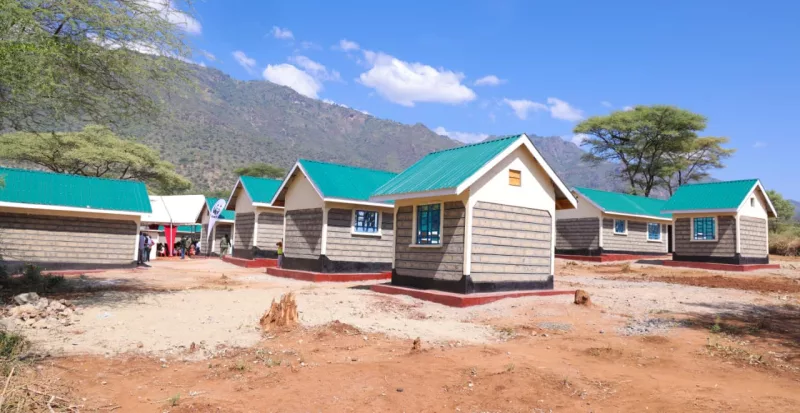
In recent months, Ruto has travelled across many counties launching projects, presiding over fundraisers, and leading empowerment drives targeting youth, women, and informal sector workers such as boda boda riders and small traders.
According to Kagwanja, Ruto’s strength lies in linking long-term development to political mobilisation.
“Ruto understands the script. More importantly, he thinks long-term. He does not think about today; he thinks five to ten years ahead,” Kagwanja said.
Another pillar of the strategy is the systematic targeting of opposition regions. The President has intensified visits to areas that rejected him in 2022, promising multi-billion-shilling projects and increased government investment.
From the Coast to Western and Ukambani, the administration has launched a steady stream of initiatives described by insiders as a political charm offensive.
Governance analyst Martin Andati notes the President is revisiting the approach that propelled him to victory in 2022.
“The President is free to try. He appears to be using the same approach — reaching out directly to the people — but it is not clear whether it will produce the same results,” Andati said.
Perhaps the most delicate battleground is the Mt Kenya region, which overwhelmingly supported Ruto in 2022 but has shown signs of drifting toward the opposition amid rising political tensions.
To shore up support, Deputy President Kithure Kindiki leads empowerment meetings and outreach across the region. Simultaneously, the President maintains networks of MPs and local leaders who continue to back his administration.
Political debate in the region has added a new twist. Public Service Cabinet Secretary Geoffrey Ruku has openly called for separation of Mt Kenya East — Embu, Meru, and Tharaka Nithi counties— from the rest of the region.
“If it means getting Tharaka Nithi, Embu and Meru counties out of Mt Kenya, that’s what we’re going to do,” Ruku said. His proposal has drawn both support and criticism, reflecting the deepening contest over regional influence.
At the Coast, Ruto is capitalising on shifting ODM alliances.
He has secured backing from influential figures including former governors Hassan Joho and Salim Mvurya, while current governors such as Abdulswamad Nassir (Mombasa), Gideon Mung’aro (Kilifi), and Fatuma Achani (Kwale) are seen as key to consolidating support.
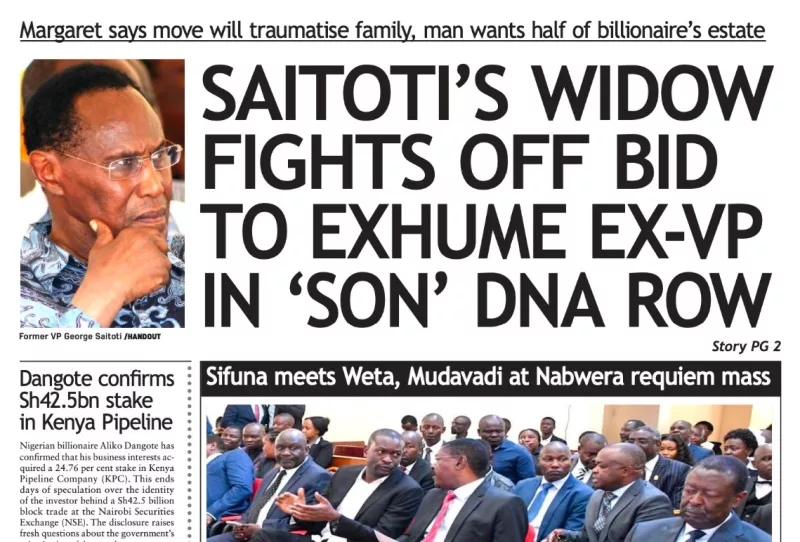
In Western, Ruto has assembled a powerhouse team including Prime Cabinet Secretary Musalia Mudavadi, National Assembly Speaker Moses Wetang’ula, and Co-operatives Cabinet Secretary Wycliffe Oparanya to anchor campaigns in the traditionally fragmented region.
Opposition leaders such as Edwin Sifuna and George Natembeya are simultaneously working to consolidate anti-Ruto support, setting the stage for a fierce contest. Vihiga Senator Godfrey Osotsi dismissed Ruto’s efforts, describing them as a “panic mode” campaign.
Ruto has also secured a strong foothold in North Easter, where leaders led by Health Cabinet Secretary Aden Duale have rallied behind him.
In Ukambani, traditionally Kalonzo Musyoka’s base, the President has intensified engagement, promising to complete long-delayed projects like the Thwake Dam and rolling out additional water infrastructure.
“I was the problem. I allowed people to come and confuse Ukambani and take it to the opposition,” Ruto told residents. “But now I am here. Tell those people that Ruto has come and Ukambani is in government.”
The President remains firmly in control of his Rift Valley stronghold and continues courting Nyanza leaders, long considered opposition bastions. In Nairobi, Ruto has intensified the launching of development projects and urban initiatives, including an Sh80 million partnership with the city government to improve services and transform metropolitan areas.
Instant Analysis
With the 2027 election still over a year away, Kenya’s political landscape is entering intense manoeuvring. While opposition leaders push for a grand coalition to challenge the President, Ruto is responding with a multi-layered strategy built on development, political alliances, and grassroots mobilisation. Whether this plan will secure him a second term remains uncertain, but one thing is increasingly clear: the battle for 2027 is intensifying, and the President is moving strategically to contest every region and counter opposition advances.