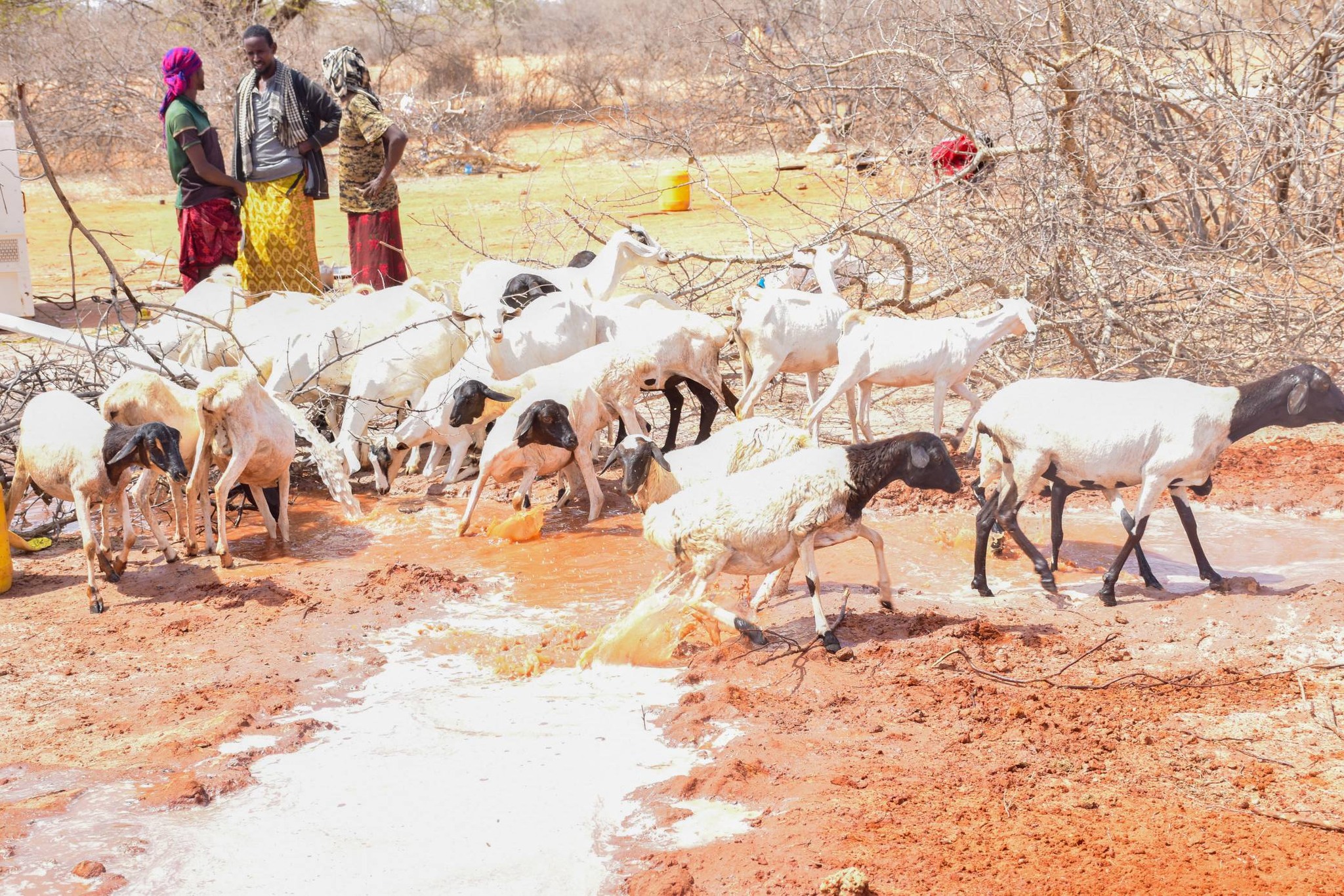
 Pastoralists grazing their livestock in Shanta Abaq Lagdera sub-county./STEPHEN ASTARIKO
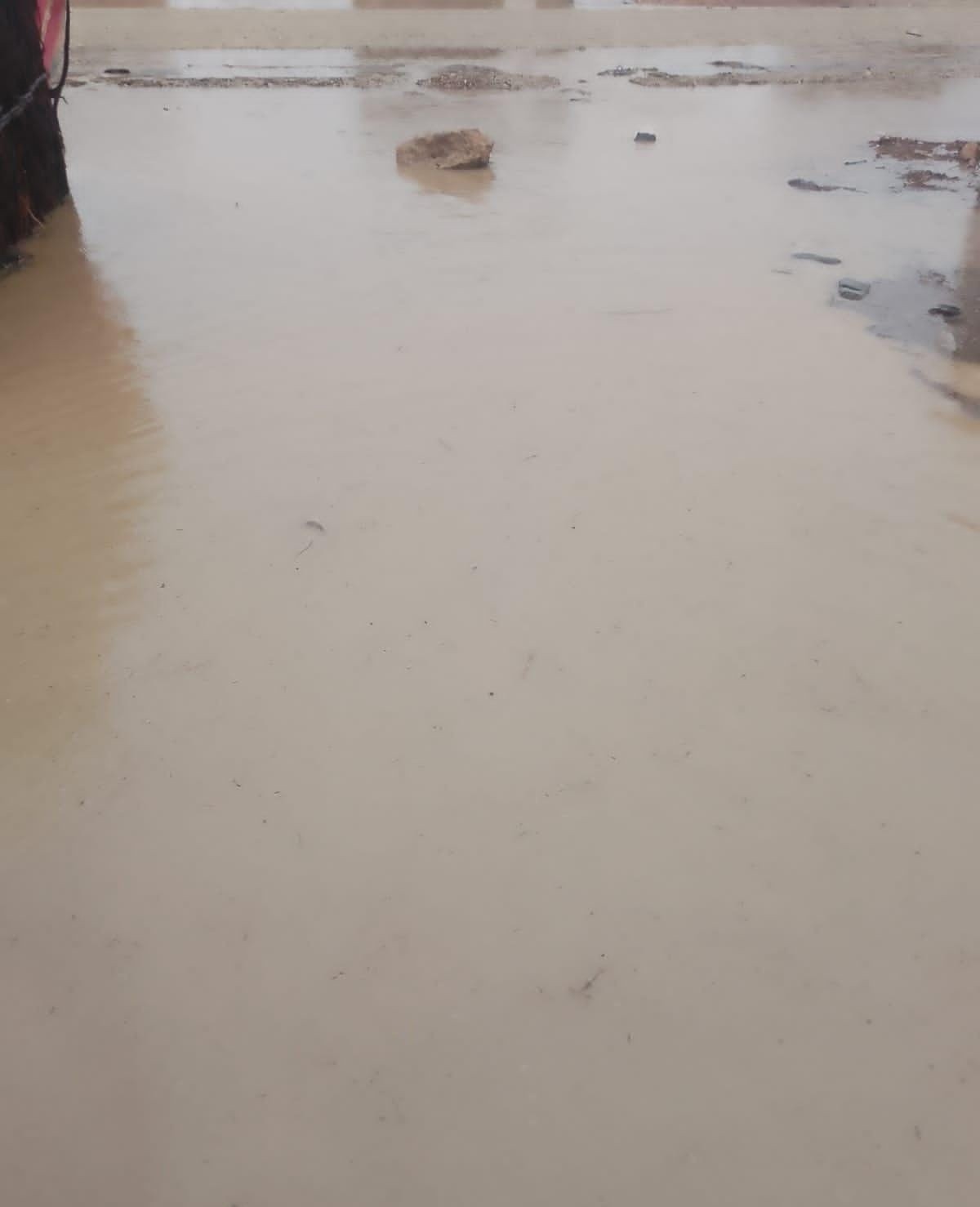 Rainwater in Garissa town following heavy downpour on Wednesday
night./STEPHEN ASTARIKO
Rainwater in Garissa town following heavy downpour on Wednesday
night./STEPHEN ASTARIKO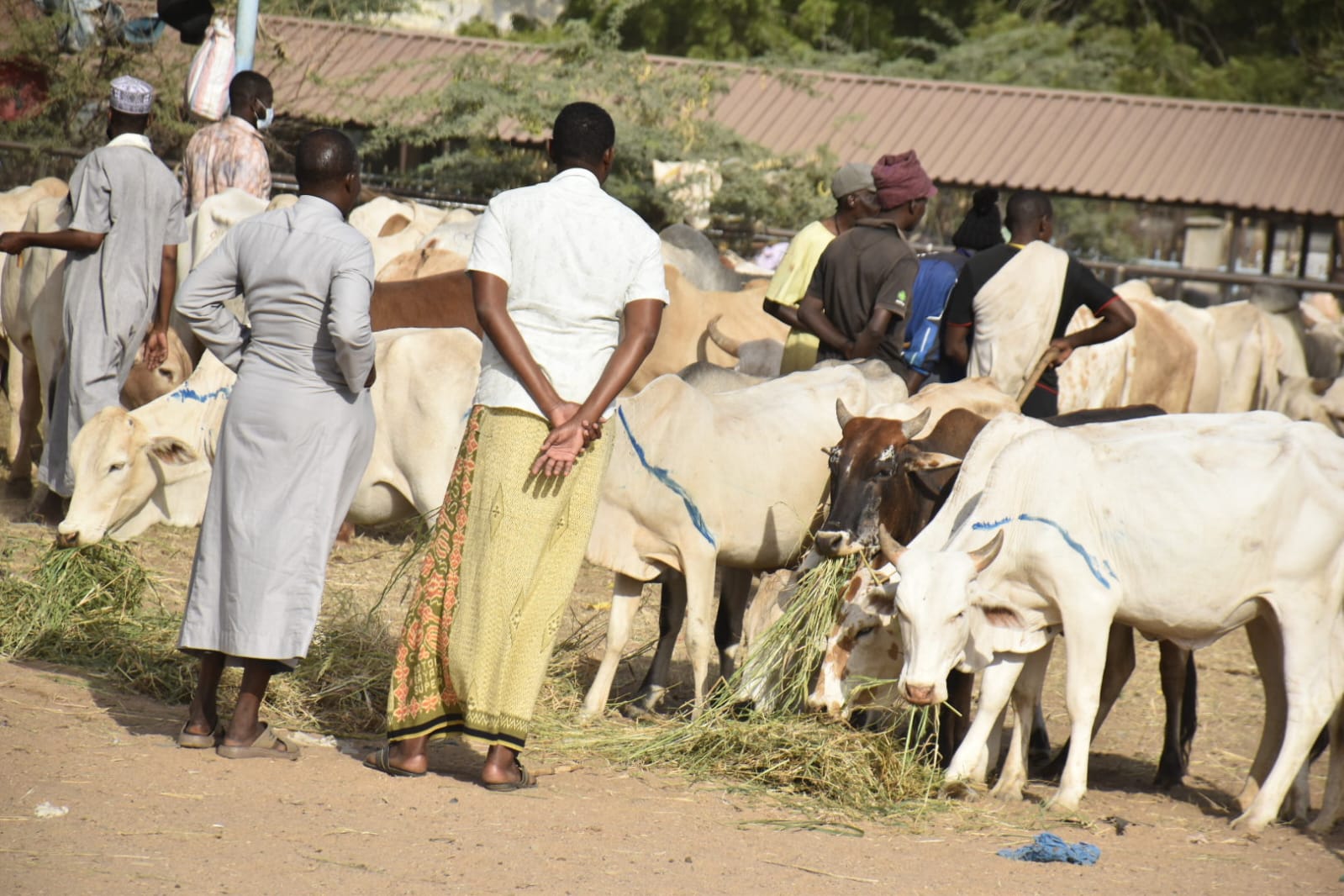
Garissa and Wajir residents are breathing a sigh of relief after rains pounded the areas, breaking a prolonged dry spell that had pushed communities to the brink.
The downpour, which began earlier this week, has replenished water pans and revived parched grazing fields, offering a lifeline to pastoralist families whose livelihoods depend almost entirely on livestock.
For months, families across the vast plains of Wajir county watched helplessly as their livestock grew weaker and water sources dried up.
This followed three consecutive failed rainy seasons — the October–December 2024 short rains, the March–May 2025 long rains, and the October–December 2025 short rains.
But as dark clouds gathered and the skies finally opened up, joy and renewed hope swept across villages in the two counties.
Eldas MP Adan Keynan described the rains as timely for residents observing the Ramadhan.
“In the midst of Ramadhan, a season of reflection, supplication and divine mercy, we fervently beseech Allah (SWT) to bless our region with even more rains,” read part of his statement posted on his Facebook page.
“May our pastures flourish abundantly, our water sources be replenished to fullness and our communities thrive in renewed strength, dignity and enduring resilience.”
“We have been praying every day for this rain. Our animals were dying, our children were suffering. Finally, God has answered our prayers. We are praying for more,” said Fatuma Abdullahi, from Wajir West.
For over a year, herders had been forced to trek longer distances in search of water and pasture.
The strain left animals emaciated, reducing their market value and significantly lowering milk production — a critical source of both nutrition and household income.
“Our cows had stopped producing enough milk. The children had nothing to drink. Some days we survived on one meal,” said Mohamed Abdi, a herder in Eldas.
“This rain means pasture will grow again and our few remaining animals will regain strength,” he said.
Hussein Mohamed, another livestock herder from the border town of Holugho, said the drought’s toll has been severe.
He said they would continue offering prayers that the skies remain generous in the weeks ahead.
“We have every reason to thank God for blessing us with rain. We pray for more. We need consistent rainfall to restore our grazing lands and refill our water sources. But today, we celebrate,” Mohamed said.
So severe was the situation that household purchasing power declined sharply as livestock body conditions deteriorated, undermining food and nutrition security.
The most affected have been children under five, pregnant and lactating women, older persons and persons with disabilities.
Local health volunteers reported rising cases of malnutrition during the dry months, particularly among young children. With milk production dwindling, many families struggled to meet basic dietary needs.
Increased livestock migration within the three counties of Mandera, Wajir and Garissa, as well as from neighbouring counties, also heightened pressure on already scarce resources. This raised the risk of conflict among communities competing for pasture and water.
Ahmed Siyat, a community elder in Balambala, described the rains as a turning point but cautioned that sustained rainfall is still needed to fully reverse the damage.