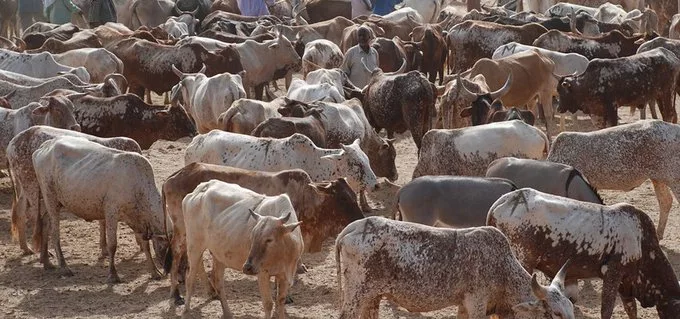
The ASAL Humanitarian Network has called for sustained and timely support as drought conditions continue to threaten lives and livelihoods in Mandera and across Kenya’s Arid and Semi-Arid Lands (ASAL) regions.
In a strongly worded appeal, the network warned that the unfolding crisis demands immediate and coordinated action, stressing that humanitarian assistance must be responsive, context-appropriate, and delivered with dignity.
The call comes amid worsening drought impacts in Mandera, where local organisations and county systems have already stepped in to cushion vulnerable communities.
However, the network cautions that local efforts alone will not be enough to prevent further deterioration.
“The drought in Mandera is a clear reminder that early warning must lead to early action,” the network said.
The statement underscores a familiar challenge in Kenya’s ASAL regions.
Early warning systems often signal impending crises, but delayed or insufficient response can allow conditions to worsen.
By the time large-scale support arrives, communities may already have suffered deep losses, and the ASAL Humanitarian Network said this pattern must change.
While acknowledging the swift mobilisation by grassroots actors and county authorities, the network emphasised that sustained backing from donors and national stakeholders is critical at this stage.
“While local organisations and county systems have already mobilised, sustained, flexible, and timely support is urgently required to prevent further deterioration and protect lives and livelihoods,” the lobbyists said.
Mandera county which lies in Kenya’s northeastern drylands, is highly vulnerable to recurring drought shocks.
Livelihoods in the region largely depend on pastoralism and small-scale trade, both of which are heavily affected by prolonged dry spells.
When rains fail, water sources shrink, livestock productivity declines, and household food security deteriorates.
The network’s appeal places strong focus on the need for flexibility in funding and programming since, in drought situations, conditions can shift rapidly.
The body also stressed dignity in aid delivery.
"Assistance must not only meet immediate needs but also respect the rights and agency of affected communities. This includes ensuring that support is tailored to local contexts and delivered in ways that uphold community priorities," the lobbyists said.
By highlighting locally led response efforts, the ASAL Humanitarian Network positions community-based organisations at the centre of the drought response.
These actors are often the first to respond and the last to leave because they understand the terrain, the social dynamics, and the coping strategies of affected households.
The network is, however, now urging broader solidarity.
“AHN and its partners call on donors, government actors, and the wider humanitarian community to continue standing with locally led response efforts in Mandera and across Kenya’s ASAL regions,” they noted.
Across Kenya’s ASAL belt, climate variability has intensified the frequency and severity of drought cycles.
Communities often move from one crisis to the next with limited time to recover, and in such a context, the network argues, early action is not optional but essential.
The appeal also frames the current situation as a test of collective responsibility, as early warning information has already been generated.
Local actors have already mobilised, and for the remaining gap, the network suggests, lies in the scale and timeliness of external support.
Failure to act decisively now could deepen vulnerability and increase humanitarian needs in the months ahead.
Conversely, swift and sustained support could help stabilise affected communities and reduce long-term impacts.
As drought conditions persist, the network’s call places pressure on donors, government institutions, and humanitarian agencies to move quickly and decisively.
For Mandera’s vulnerable communities, the coming weeks will be critical.
The ASAL Humanitarian Network’s appeal also warns of further deterioration if support delays continue, and it outlines a path forward built on timely assistance, flexible funding, and respect for community dignity.