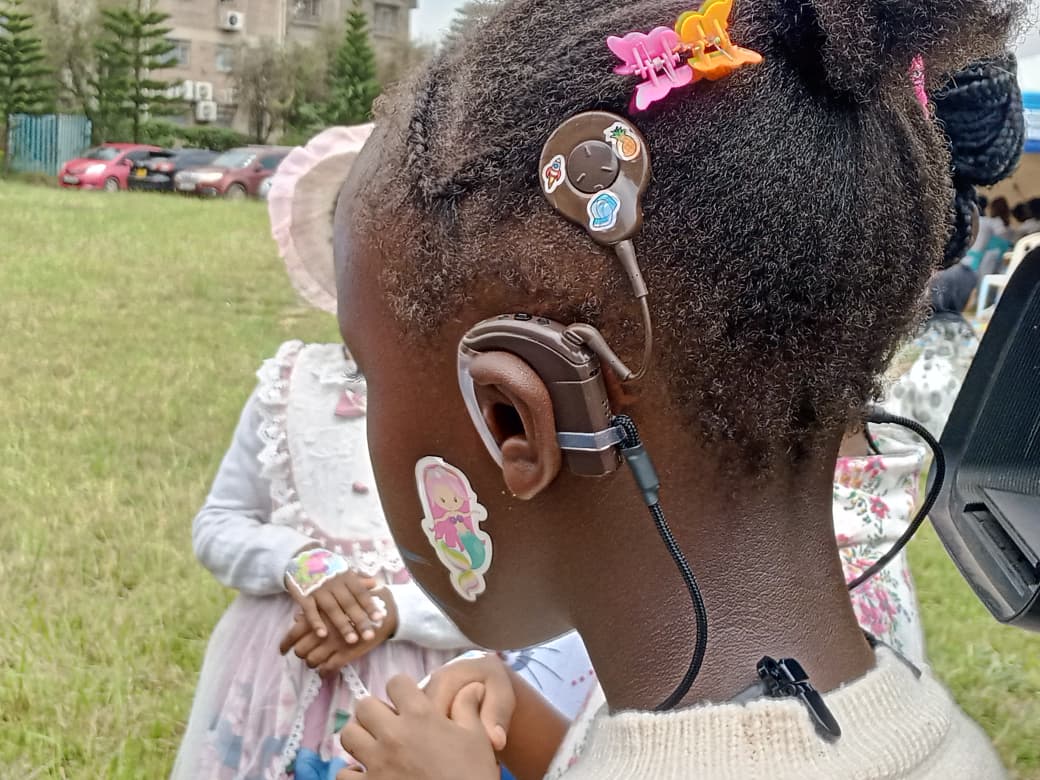
 A cochlear implant put on a child to help with hearing aid on February 25 /TIMON OTIENO
Kenya marked its first-ever International Cochlear Implant Day at the Kenyatta National Hospital, bringing together doctors, partners and families whose children recently received life-changing hearing implants.
The commemoration celebrated 50 children who underwent cochlear implant surgery in November last year through a special programme supported by local and international partners.
For many parents, it was not just a medical milestone, but the beginning of a new chapter filled with sound, speech and hope.
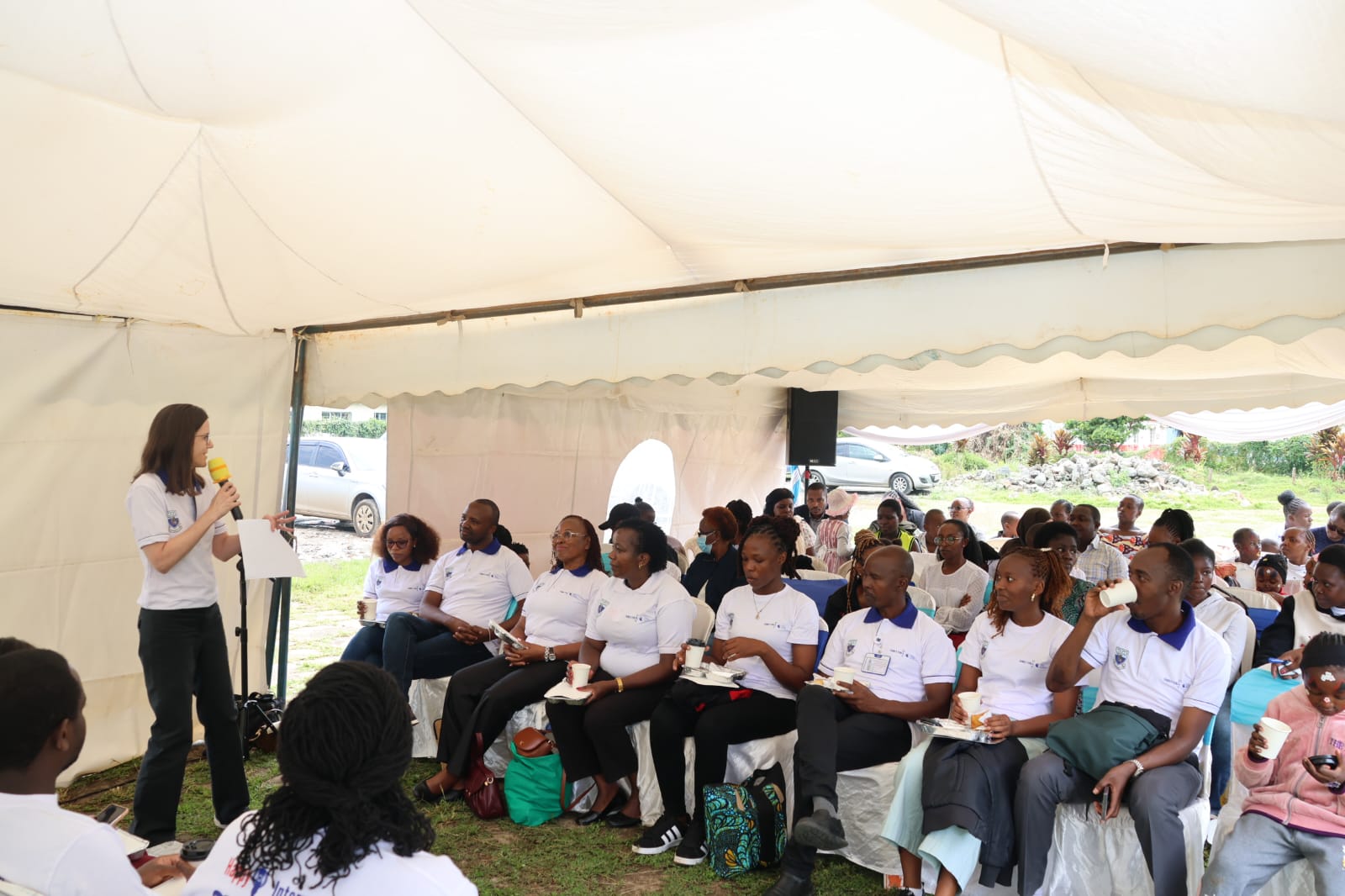 Parents of the 50 children who underwent the cochlear implant process listening to Paige Stringer during the International Cochlear Implant Day on February 25, 2026.
Paige Stringer, founder and executive director of the Global Foundation for Children with Hearing Loss, said the event aimed to equip families with skills to help their children learn how to listen and speak.
“The intention of today’s event is to provide these families with information and learning opportunities so that they can work with their children now that they have the cochlear implant,” she said.
“A cochlear implant is not like glasses, where you put them on and you see better immediately. We have to train the children’s brains to make sense of the sound.”
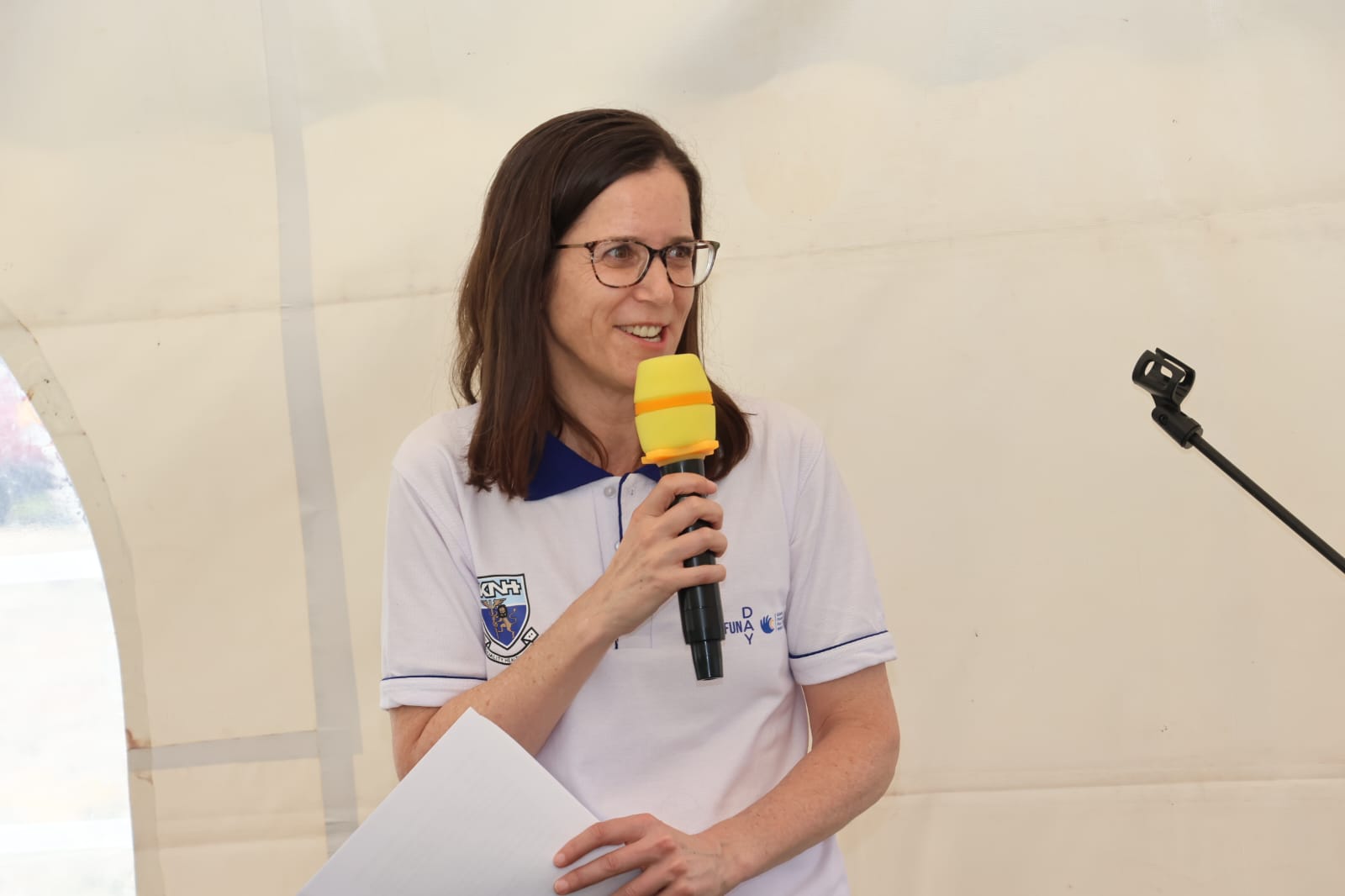 Paige Stringer, founder and executive director of the Global Foundation for Children with Hearing Loss giving a speech International Cochlear Implant Day on February 25 /TIMON OTIENO
Stringer who understands the journey personally, born with severe to profound hearing loss, she received hearing aids at just six months old after a nurse detected the problem. That early intervention allowed her to develop speech, attend regular schools and later earn two master’s degrees.
She eventually received a cochlear implant as an adult.
“It was amazing. I did not realise how little I was hearing with hearing aids until I got the cochlear implant, it is a blessing that now we can provide this technology to very young children when their brains are still developing,” she said.
The 50 implants were made possible through a partnership involving Kenyatta National Hospital, Kenya’s Ministry of Health, the Voice of the Children Foundation and Morocco’s Princess Lalla Alma Foundation, which donated the devices and sent specialist surgeons to assist local doctors.
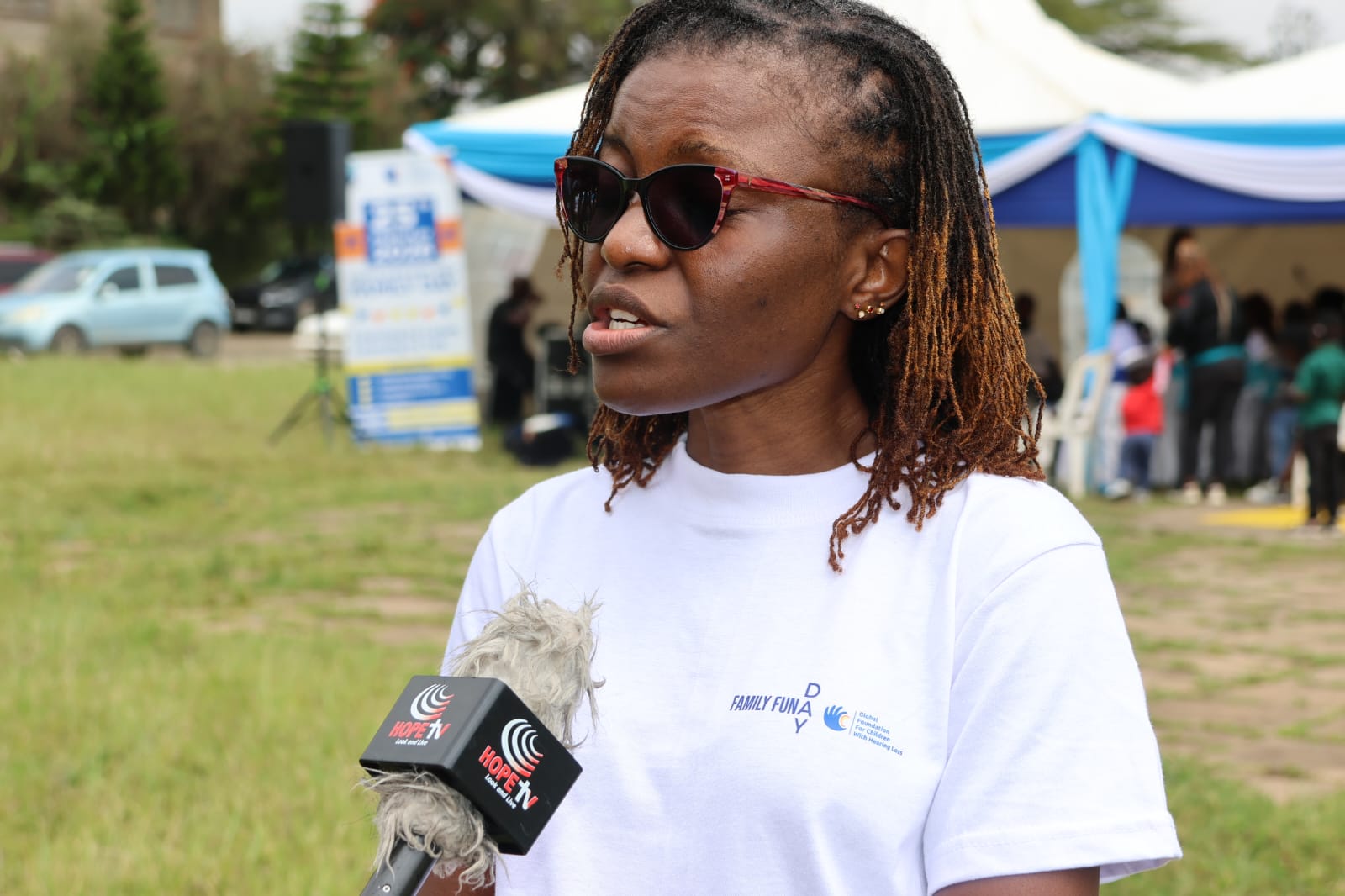 Elaine Yuko, a surgeon at Kenyatta National Hospital during a press breifing on February 25, /TIMON OTIENO
Elaine Yuko, an ear, nose and throat surgeon at Kenyatta National Hospital, said the initiative was a significant milestone for the country.
“We have not commemorated this day in Kenya before, but this time we made a special effort,” she said.
Yuko explained that cochlear implant surgery involves placing an electronic device in the inner ear that sends sound signals directly to the brain. However, hearing does not begin immediately after surgery.
“After implantation, the child must heal first before the device is switched on,” she said. “When it is switched on, we begin calibration and speech therapy, where they are taught what sounds mean and how to speak.”
The rehabilitation process can take a year or more, depending on the child. Yuko revealed that KNH has fully financed the rehabilitation process of the children as they begin the new journey.
“You learn to speak what you hear,” Yuko said. “If you don’t hear, that part of the brain goes to sleep. That is why early implantation is important, because it makes it easier for children to learn speech.”
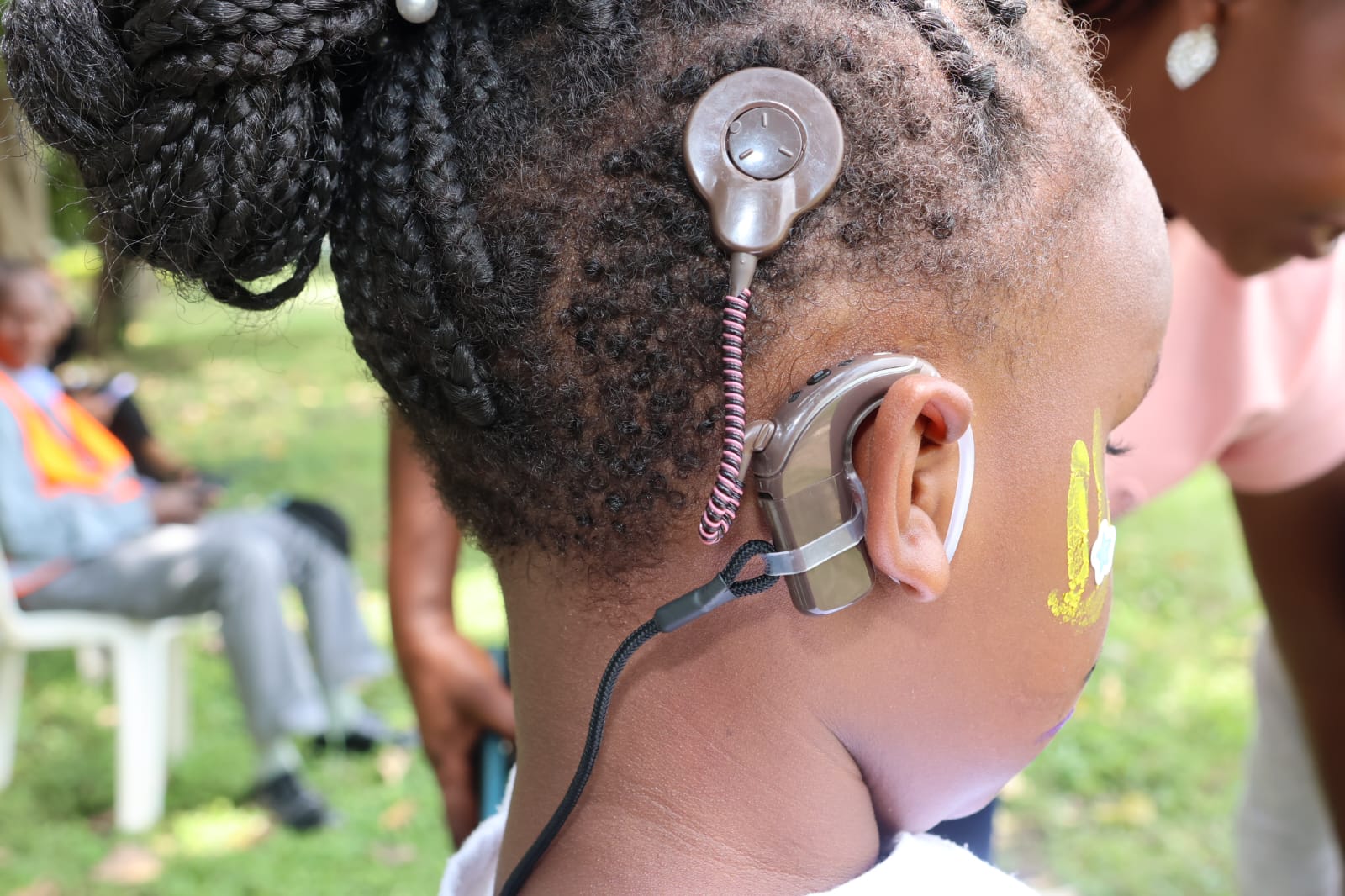 A child with a cochlear implant /TIMON OTIENO
The youngest child in the programme was one and a half years old. According to Yuko, children implanted before the age of two often develop speech more naturally.
While the medical progress is promising, the real impact is felt in homes like that of Faith Muthoni Methamo from Embu county.
Her daughter, Hadassa Nyagothie, lost her hearing after suffering repeated fevers and convulsions as a baby. For years, Methamo did not realise her child could not hear.
“I thought maybe it was just delayed milestones,” she said.
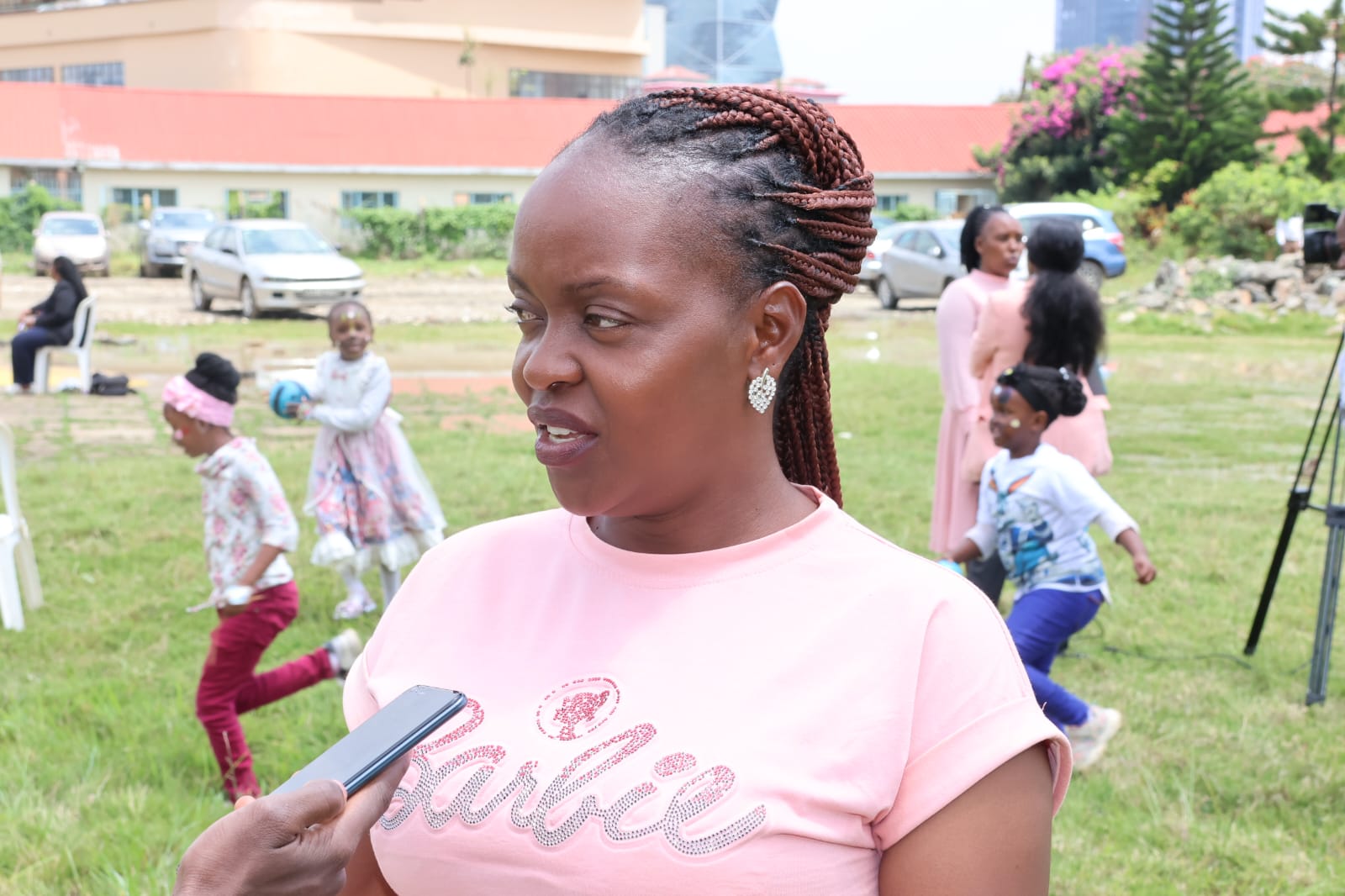 Faith Muthoni, Hadassa's mother at KNH/TIMON OTIENO
At age four, tests confirmed Hadassa had profound hearing loss. The family tried hearing aids, but after more than a year, there was no improvement.
In November last year, Hadassa underwent cochlear implant surgery at Kenyatta National Hospital. Two months after the device was switched on, Methamo says she is already seeing changes.
“When you call her, she responds. When you clap or sing, she responds,” she said. “I am a happy parent.”
For Methamo, the implant has restored something she feared lost forever the ability to connect with her child.
“I’m hopeful that the speech will come and I can communicate with my child at ease,” she said.
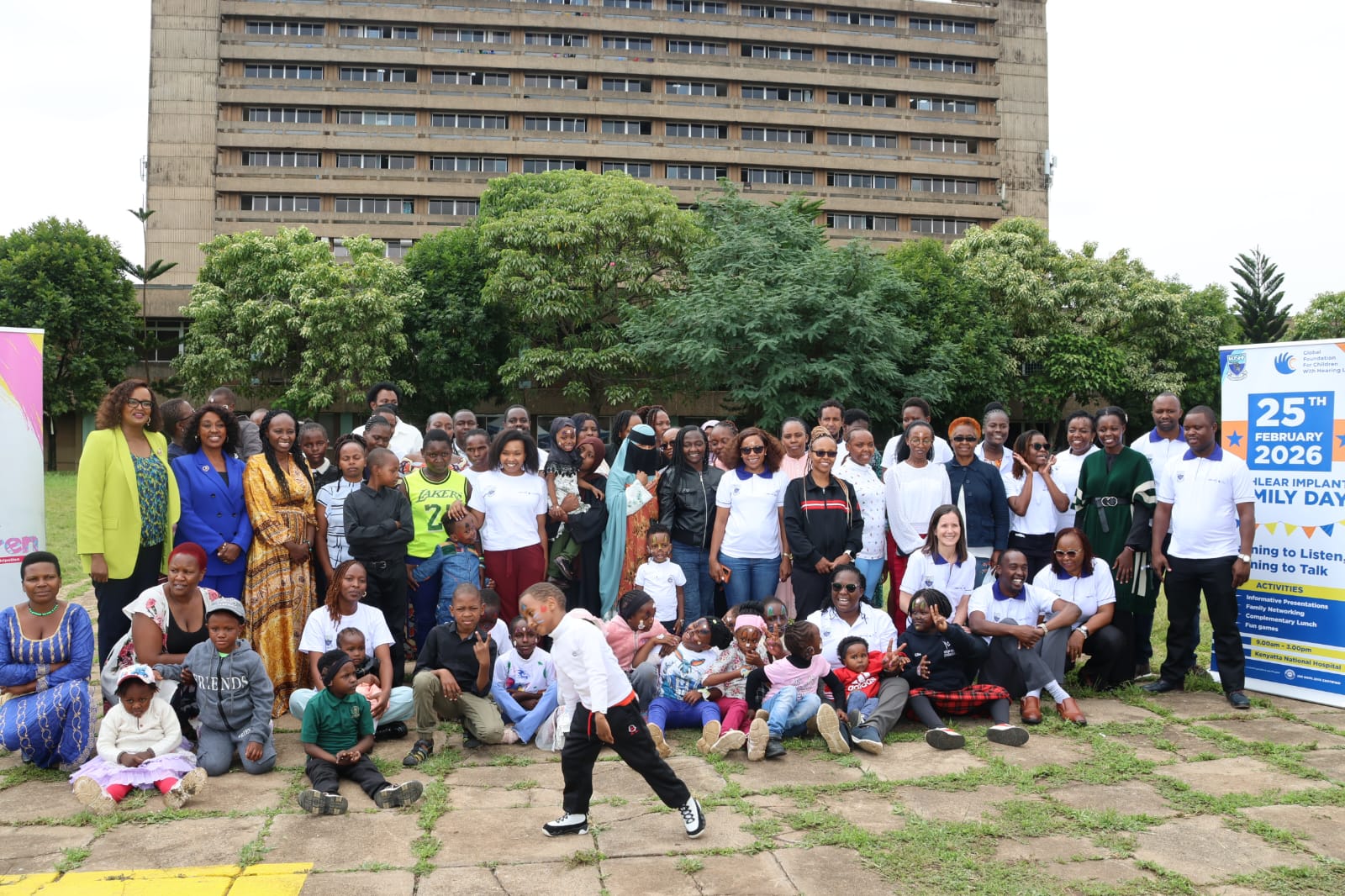 Families of the cochlear implant beneficiaries at KNH medics and partners on February 25, 2026 /TIMON OTIENO
She now encourages other parents not to give up.
“To parents with children who have hearing loss, don’t lose hope. There is a way,” she said.
For Stringer, the event represents more than a medical achievement. It signals a shift in awareness and access.
By bringing together families, doctors and therapists, she said, Kenya is laying the foundation for children with hearing loss to reach their full potential.
“We are thrilled to be part of this project,” she said. “These children now have the opportunity to learn to listen, speak and live full lives.”
As Kenya marked its first International Cochlear Implant Day, the sounds heard inside Kenyatta National Hospital were not just medical signals they were the first notes of new beginnings.