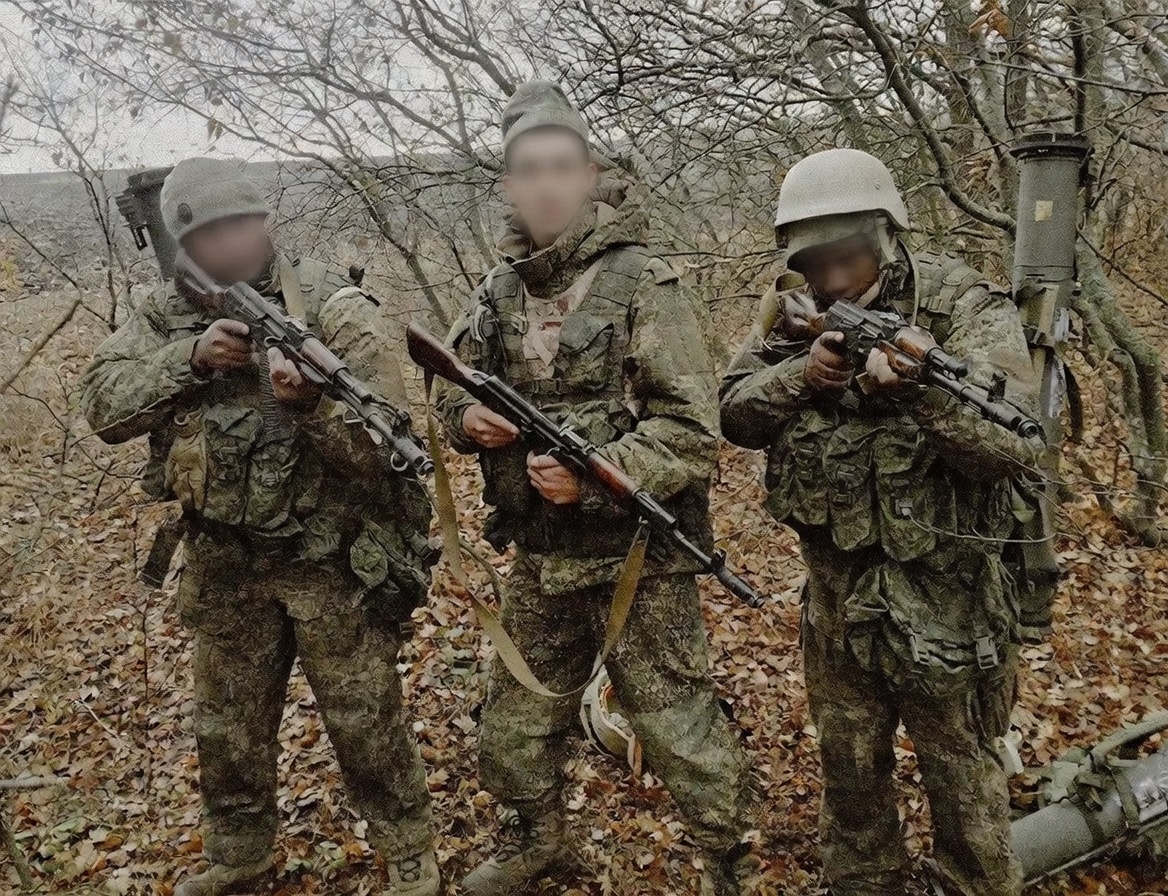
Four years on, drone and missile attacks continue to be reported in Ukraine amid the ongoing full-scale Russian invasion that began on February 24, 2022, in what the Russian Federation continues to describe as a “special military operation.”
As the war enters its fifth year, a conflict once viewed largely as Europe’s problem is increasingly affecting other regions, with Africa emerging as one of the hardest-hit continents outside the immediate war zone.
Reports have surfaced in recent months of African nationals fighting on the front lines, with many losing their lives and others returning home with injuries and traumatic experiences.
Some of the few who have managed to return describe the front lines as a death trap. Many claim they were coerced into signing military contracts written in Russian, a language they could not read or understand.
“I knew I was going to be a driver, but when we reached Moscow, things changed. We were taken into the camp and made to sign contracts to fight for Russia,” said Duncan Chege, a Kenyan who had been lured to Russia under the pretext of securing a driver’s job.
Chege is among 27 Kenyans the government has successfully repatriated since reports of recruitment emerged. His experience mirrors that of Vincent Awiti, who is still recovering from injuries sustained during combat in the Russia-Ukraine war.
Awiti said he was promised a job as a shopkeeper but was instead directed to join the military upon arrival. He suffered injuries on his first day of deployment.
“We didn’t have a choice but to sign those contracts. They insisted they had paid our agents a lot of money, which we would have to refund if we wanted to return home,” he said.
While some African recruits travel to Russia aware they may take up combat roles, many are allegedly deceived through false promises of employment, fast-tracked citizenship, or non-military positions.
Recruiters reportedly exploit economic vulnerability, targeting young people seeking opportunities abroad.
According to an intelligence report presented to Kenya’s National Assembly, more than 1,000 Kenyans have been recruited to fight in the war, significantly higher than the earlier estimate of 200 provided by the Ministry of Foreign Affairs.
The report by the National Intelligence Service (NIS) detailed a network of rogue officials allegedly working with human trafficking syndicates to facilitate recruitment.
It further noted that at least 89 Kenyans were actively deployed on the front lines as of February this year.
However, the Russian Embassy in Nairobi has denied any involvement in illegal recruitment. In a statement, the embassy described such reports as “dangerous and misleading,” maintaining that any Kenyan citizens serving in Russia’s armed forces had done so voluntarily.
“The government authorities of Russia have never engaged in illegal recruitment of Kenyan citizens,” the embassy said. “At no point has the embassy issued visas to Kenyans to participate in military operations in Ukraine, nor has it encouraged any citizen to do so.”
The embassy added that Russian law permits foreign nationals who are legally present in the country to voluntarily enlist in its armed forces and denied any collusion with agents or organisations accused of coercion.
Kenya is among several African countries affected by the conflict’s far-reaching consequences. Families across the continent have appealed to their governments for assistance in locating and repatriating relatives believed to have died or been injured in the war.
Other affected countries include Uganda, Ghana, Nigeria, Senegal, South Africa, Egypt, and several West African nations, highlighting the global scope of the conflict’s human toll.
African women have also reportedly been caught up in recruitment schemes linked to Russia’s war effort.
Since 2023, the Alabuga Special Economic Zone (SEZ) in Tatarstan is believed to have recruited young African women aged between 18 and 22 to work in military drone production facilities under the “Alabuga Start” programme.
Recruitment is said to be conducted through social media and intermediaries, with promises of lucrative salaries and work-study opportunities in hospitality or catering.
According to reports by the Wall Street Journal and the Global Initiative Against Transnational Organized Crime, more than 1,000 African women had been recruited by 2024, with the number likely higher by 2026.
Russia has disputed these claims, describing them as part of an organised anti-Russia media campaign.
“The articles published… alleging that African girls are forced to work in factories in the Republic of Tatarstan appear to be part of a massive anti-Russian narrative promoted by Western-paid authors and investigators,” the embassy said in an earlier statement.
Meanwhile, the human cost of the war continues to mount. The Centre for Strategic and International Studies (CSIS) estimates that combined Russian and Ukrainian military casualties could reach two million by spring 2026. Russian casualties—including those killed, wounded, or missing—are estimated at approximately 1.2 million, while Ukrainian losses are estimated at between 500,000 and 600,000.
Despite the staggering casualties, attacks persist. Ukrainian cities continue to face frequent drone, missile, and rocket strikes, particularly at night, forcing civilians to endure prolonged insecurity and destruction.
Diplomatic efforts to end the war have so far yielded limited progress. Peace initiatives led by US President Donald Trump over the past year have not resulted in a breakthrough, as both Russia and Ukraine remain firm on key demands.
Central points of contention include control over occupied territories and whether Ukraine should concede land to Russia. With neither side showing willingness to compromise on core issues, the war continues with no clear end in sight.
As the conflict drags on, its consequences are being felt far beyond Eastern Europe, with African nationals increasingly caught in its deadly crossfire—drawn by promises of opportunity but often finding themselves in one of the world’s most devastating modern wars.