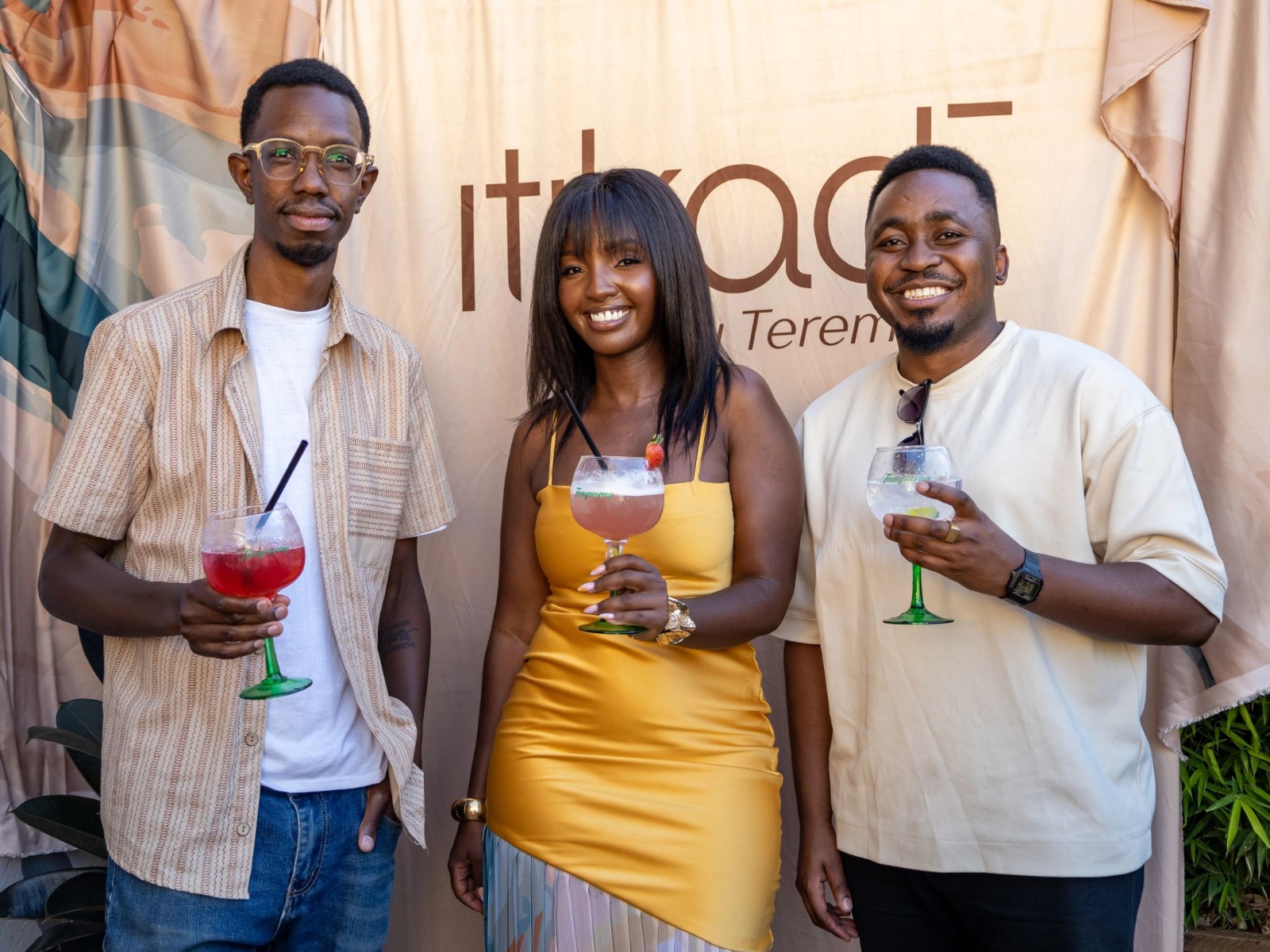
Kenya’s social scene is undergoing a quiet but significant transformation.
For years, the nightclub defined urban celebration culture loud, late and largely predictable but today, that dominance is fading.
In its place is a more fluid ecosystem of brunches, curated house parties, music festivals, art-pop ups and digital watch gatherings that reflect a generation increasingly intentional about how and where it socialises.
The shift points to a broader cultural recalibration driven by what industry insiders describe as the “deliberate consumer”.
“We’ve moved from a nightclub only culture to a multi-space culture,” Scaver Saitaga, a senior executive in Kenya’s spirits industry said.
“People are choosing experiences with intention. It could be a Sunday brunch, a backyard BBQ or a festival. The venue is no longer fixed.”
From routine nights out to curated moments
Younger consumers particularly Gen Z and millennials are spreading their leisure budgets across varied experiences rather than concentrating them in traditional nightlife.
Economic realities are partly responsible, but so is a growing desire for versatility.
Rather than chasing exclusivity, many now seek what Saitaga describes as premium value quality experiences, that feel elevated but adaptable to casual settings.
The result is a social calendar that is more diverse and less predictable.
Celebration is no longer tied to a specific day, time or location as it is increasingly lifestyle driven.
The rise of the can
One of the clearest indicators of this shift is the growing acceptance of Ready-to-Drink (RTD) beverages.
Once viewed as a secondary option to bar made cocktails, RTDs are gaining ground as outdoor events, festivals and home gatherings become more common.
“The quality gap has narrowed. Consumers expect the same flavour complexity in a convenient format as they would from a cocktail at a high end bar,” Saitaga said.
Portability and affordability have made canned drinks particularly suited to Kenya’s expanding open air and hybrid celebration spaces.
The drinks industry itself has become increasingly saturated, with new brands and flavour variations entering the market at speed and in such an environment, trust plays a larger role.
Saitaga argues that heritage still matters to younger consumers not as nostalgia, but as assurance.
“Heritage isn’t about being old but about being proven. In a market where trends change quickly, consistency becomes valuable,” Saitaga emphasised.
As experimentation with bold flavours and aesthetics continues, established brands are positioning reliability as a competitive edge.
The digital layer of celebration
Another defining feature of Kenya’s evolving social culture is its digital dimension with celebration now unfolding both physically and online.
Aesthetic appeal from venue design to drink presentation has become integral in a social media age where experiences are documented instantly.
“People often share their drinks before they take the first sip,” Saitaga said.
This hybrid dynamic is reshaping how brands engage consumers, blending physical experiences with digital storytelling.
Saitaga said current trends persist and Kenya’s celebration culture in 2026 will be even more decentralised.
Lifestyle collaborations across music, fashion and art are likely to intensify, and social spaces may continue shifting away from singular, high-energy nightlife hubs towards diverse, multi-format gatherings.
According to him, what is emerging is not simply a new way to party but a redefinition of social identity itself.
“Celebration, for Kenya’s new generation, is no longer just about where you go but about what the moment says about you,” he said.