
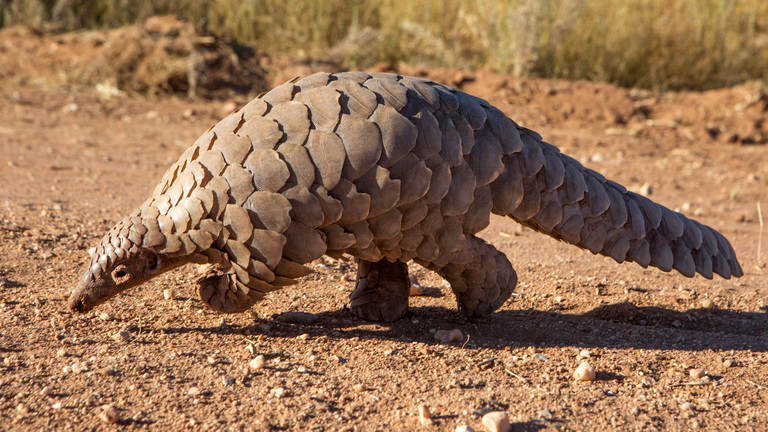
Conservation groups are raising the alarm over the rapidly expanding trafficking of Africa’s pangolins, the world’s most illegally traded mammal.
Kenya, Uganda, Cameroon, and Nigeria are emerging as key source and transit hubs for the illicit trade, putting the species and local ecosystems at serious risk.
According to the groups and recent data from global seizure records, more than one million pangolins were killed and traded between 2000 and 2013.
Between 2010 and 2015, authorities recorded 1,270 seizures in 67 countries, involving 120 tonnes of pangolin body parts and more than 46,000 individual carcasses.
All eight pangolin species — four in Africa and four in Asia — are listed under Appendix I of CITES, which bans international commercial trade.
“Pangolins are being hunted, trafficked, and exploited at alarming levels,” Wildlife Campaign Manager at World Animal Protection Edith Kabesiime said.
“But there is hope. Strengthening enforcement, empowering communities, and reducing consumer demand can help turn the tide.”
Despite lacking scientifically proven medicinal value, pangolin scales remain in high demand, fuelling organised transnational trafficking networks.
International enforcement reports increasingly identify African nations such as Kenya, Uganda, Cameroon, and Nigeria as critical points along trafficking routes supplying markets abroad.
Experts at World Animal Protection warned that the ecological consequences are severe.
“A single pangolin consumes thousands of ants and termites daily, helping regulate insect populations. Their slow reproductive rate, however, makes population recovery extremely difficult once numbers decline,” they said.
As World Pangolin Day passed, February 21, the organisation launched a new initiative focused on three pillars: generating scientific evidence to guide policy, supporting community-led pangolin protection, and working with consumer countries in Asia to reduce demand and strengthen enforcement.
“This initiative is a critical step in protecting pangolins and the ecosystems they support. With urgent action now, we can safeguard these unique species for future generations,” Kabesiime said.
Conservationists said public awareness and immediate action are crucial.
With trafficking networks continuing to expand across Africa, pangolins face one of the gravest threats in modern history.







