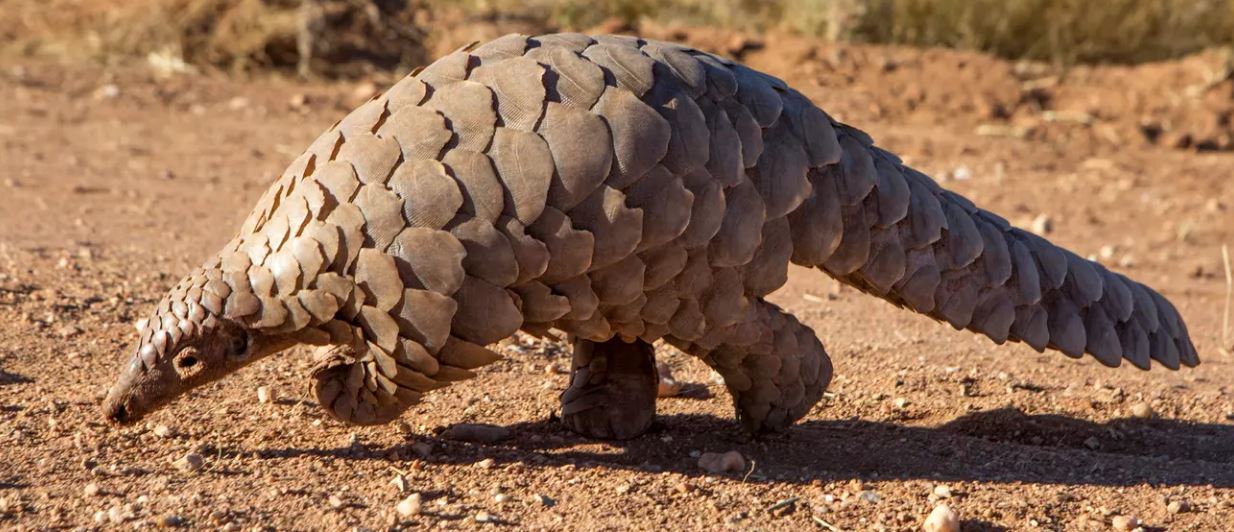
 Pangolins are nocturnal mammals found in parts of the Greater Mara ecosystem, including the Maasai Mara and Nyekweri Forest./KWS
Kenya, alongside Uganda, Cameroon, and Nigeria, is increasingly emerging as a source and transit hub in the global illegal trade of pangolins, animal welfare experts have warned.
They raised alarm over the species’ survival and ecosystem health, noting that pangolins are the world’s most trafficked wild mammal.
As the world marked World Pangolin Day on February 21, 2026, animal welfare groups warned that trafficking networks operating across East, West, and Central Africa are placing growing pressure on already declining pangolin populations.
According to World Animal Protection, the increase in illegal trade threatens biodiversity and exposes communities to broader public health risks.
Edith Kabesiime, Wildlife Campaign Manager at the organisation, said pangolins are being hunted, trafficked, and exploited at alarming levels.
“But there is hope. If we strengthen enforcement, empower communities, and reduce consumer demand for pangolin meat and scales, we can turn the tide,” she said.
Kabesiime noted that despite lacking scientifically proven medicinal value, pangolin scales continue to fuel organised transnational trafficking networks.
Global seizure records show the scale of the crisis. More than one million pangolins were killed and traded between 2000 and 2013. Between 2010 and 2015 alone, authorities recorded 1,270 seizures across 67 countries and territories, involving an estimated 120 tonnes of pangolin body parts and more than 46,000 carcasses.
All eight pangolin species — four in Asia and four in Africa — are listed under Appendix I of the Convention on International Trade in Endangered Species of Wild Fauna and Flora (CITES), which prohibits international commercial trade.
The Kenya Wildlife Service says pangolins are among Kenya’s most elusive mammals but remain vital to ecosystem health because they help control termite populations.
However, the three species found in Kenya — Temminck’s ground pangolin, giant ground pangolin, and white-bellied (tree) pangolin — are facing widespread decline due to illegal poaching, trafficking, habitat loss, and land-use change.
These nocturnal mammals are found in parts of the Greater Mara ecosystem, including the Maasai Mara and Nyekweri Forest.
Tourism and Wildlife Cabinet Secretary Alfred Mutua said the National Recovery and Action Plan for Pangolins in Kenya (2024–2028) was developed to guide conservation efforts and help halt population decline.
The plan provides a framework for government agencies, conservation groups, and communities to collaborate in protecting the species.
Kabesiime warned that the loss of pangolins carries ecological consequences. “A single pangolin consumes thousands of ants and termites daily, helping regulate insect populations and maintain ecosystem balance,” she said. “Their slow reproductive rate makes recovery difficult once numbers decline.”
To mark World Pangolin Day 2026, World Animal Protection launched a long-term initiative aimed at generating scientific evidence to inform policy, supporting community-led protection efforts, strengthening enforcement, and reducing demand for pangolin scales