The lack of clarity in vision, agenda and strategy has paralysed the people’s alternative voices. This has caused the struggles of opposition leaders to inadvertently play into President William Ruto’s hands. He has outrun his competitors and currently sets the political agenda of the nation single-handedly.
Tensions within the ODM party have provided their fair share of confusion, which has become a blessing in disguise for Ruto. Factions have emerged over the wisdom and timing of entering into a formal pre-election coalition agreement with UDA. The existing 10-point agenda is a poisoned chalice for the Raila orphans.
The dissenting cleavages within ODM have crystallised too early to be reconciled before the planned NDC in March 2026. The fate of the once-famed largest party appears sealed, with fragmentation now predictable.
This inevitably compels the President to reach out to this constituency directly, without the many court jesters masquerading as gatekeepers of Raila’s stronghold. For good measure, it also grants him easier and guaranteed access to a rich voting bloc.
In the midst of this confusion, Ruto has concluded the grassroots elections of his party, UDA. Concurrently, the party advertised opportunities for expressions of interest in joining the ruling party. He has positioned its dominance as unassailable, thereby making it the party of first choice.
In their droves, Kenyans applied to be nominated as candidates for all positions except the presidency. Applicants expressed interest in being MCAs, MPs, senators and governors in large numbers.
More interestingly, all regions were represented, with Nyanza taking the third slot. The low numbers from the Central region present a learning curve.
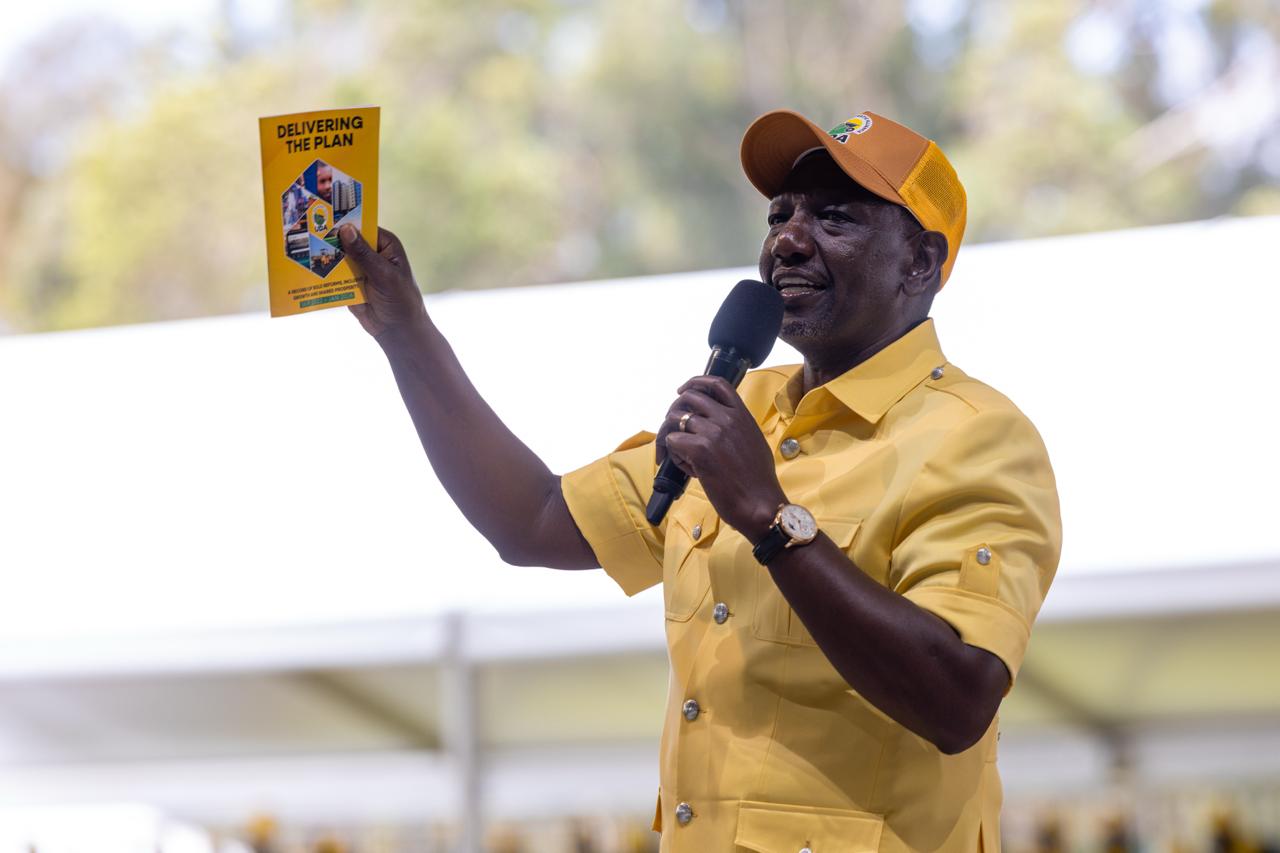
When the 2027 aspirants assembled at State House on January 28, the more than 12,000-strong team demonstrated raw political strength. At the meeting, Ruto cleverly assembled an army of volunteer party cadres for his second presidential bid.
The campaign machine has tentacles countrywide and reaches deep into the grassroots. Only a revolution could overrun this behemoth.
Since the death of Raila, the President has become the top dog of Kenya’s political chess game. The former Prime Minister had offered a counterbalance to his strategies and tactics.
With his demise, the opposition has demonstrated disunity and no visionary alternative to the leadership of the Kenya Kwanza government.
Ruto is now setting the direction and pace of the political marathon towards the 2027 general election. Under normal circumstances, such a player might be complacent and rest on his laurels. Instead, vintage the President has heightened his activities as though he were facing the test of his political life.
He has been a victim of disputed presidential election outcomes since 2007 due to narrow margins of victory. In his reelection bid, he has resolved to obliterate the opposition through a blistering campaign.
He seeks to make history as the first presidential candidate in modern Kenya to secure an outright victory with an overwhelming majority. He has therefore left nothing to chance.
His political experience has been forged under difficult and challenging epochs. In blacksmith’s parlance, he is steel hardened in a furnace. He rose from relative obscurity under the Moi, Kibaki and Uhuru administrations, much to the chagrin of seasoned operatives who entered politics early and settled into prime positions at the high table.
He has taken great risks and manoeuvred storms with admirable tact. Steadily, he has built a network of supportive partners, loyal followers, skilled volunteers and seasoned technical advisers.
To his credit, most of Ruto’s manifesto platforms are bearing fruit. At the start of his regime, many policies were unpopular. The Finance Bill of 2024 triggered historic Gen Z protests, which became violent and led to fatalities. It later emerged that the President suffered internal sabotage, with elements within government fuelling the rebellion.
Deputy President Rigathi Gachagua was suspected of inciting the youth. This eventually led to his impeachment and a wider reorganisation of government.
A year later, National Treasury Cabinet Secretary John Mbadi introduced another budget, which Parliament approved. Since then, the country has recorded growth under the Beta economic framework. Affordable housing and agricultural input subsidies have reduced the cost of living through lower rents and food prices.
The ordinary citizen has benefited from increased disposable income, reducing the cost of credit. The income tax exemption bracket has been expanded, placing 1.5 million Kenyans into the savings category and improving living standards.
The government has also injected seed capital into the economy through programmes such as Nyota and Hustler Credit. Ruto understands the central role of infrastructure in economic growth and political optics. A road constructed in a remote village leaves a permanent imprint on rural communities, who will remember it as a gift from Ruto.
The continued fragmentation of the opposition is a boon to the President. While this may appear beneficial to the general population, Ruto was likely to win the 2027 election regardless. Since Gachagua assumed opposition leadership in early last year, more heat than light has emerged from the alternative camp.
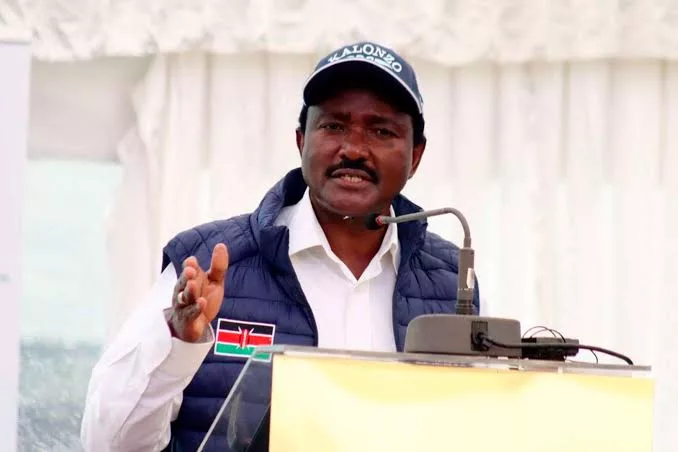
The focus has shifted to the search for a single opposition candidate. With ODM joining UDA in a broad-based government, it might have been assumed that Kalonzo Musyoka would succeed Raila. This now appears a long shot.
Gachagua joined the opposition with gusto, fuelled by bitterness after his impeachment. He formed the Democracy for Citizens Party and quickly eclipsed the Azimio old guard. Though largely confined to central Kenya, his activities attract high-octane media attention.
Other opposition leaders have had to adjust to his schedule, mostly centred on church events. Strategically, he appeals to the same emotional ground that framed the devil-versus-angel narrative in the 2022 Ruto–Raila contest. Rather than mobilising hope for change, he stokes hostility towards the government.
Through church platforms, he seeks to guilt his community into voting out the government. Kalonzo and others tolerate these tactics to remain relevant. Late entrants from Kisii struggle to find space in this constellation.
Fred Matiang’i has been forced to rely on the wings of former president Uhuru Kenyatta. Meanwhile, David Maraga has depended on NGO-backed environmental activities to maintain visibility.