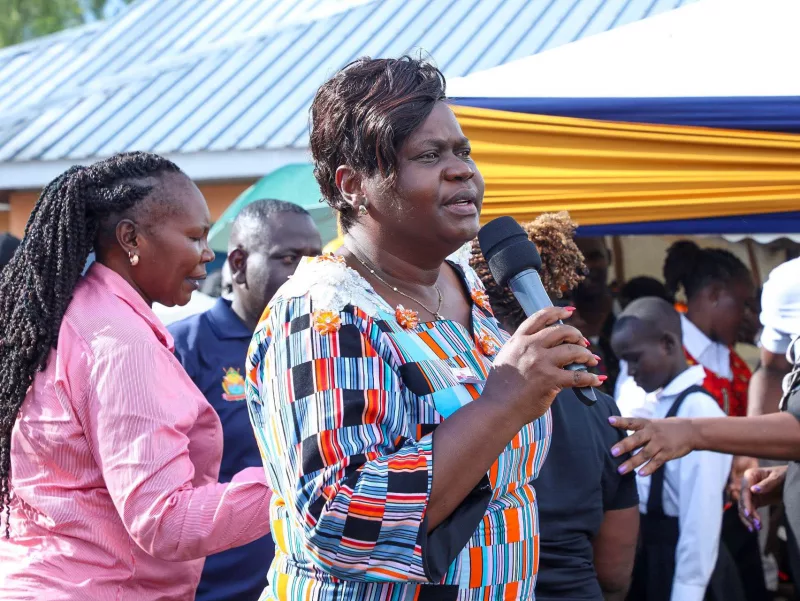
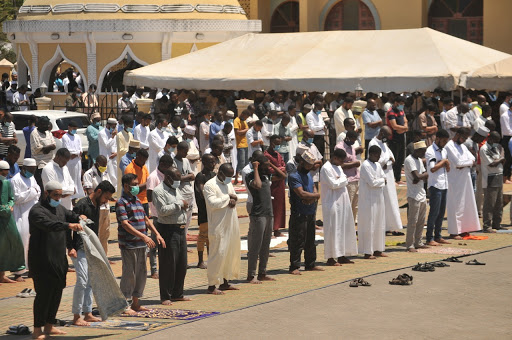
 Muslims worshipping during ramadan.
Every year, millions of Muslims around the world observe Ramadan, a sacred month marked by fasting, prayer, reflection and community. It is one of the most important periods in the Islamic calendar and holds deep spiritual meaning for believers.
According to Yaqueen Institute for Islamic Research, Ramadan is the ninth month of the Islamic lunar calendar, which is based on the cycles of the moon. Its start is marked by the sighting of the crescent moon, meaning the exact dates vary each year. During this month, Muslims fast every day from dawn to sunset, abstaining from food, drink and other physical needs during daylight hours.
The fast, known as sawm, is one of the Five Pillars of Islam the core acts of worship that define the faith. Muslims believe Ramadan commemorates the period when the first verses of the Qur'an were revealed to the Prophet Muhammad more than 1,400 years ago.
Fasting during Ramadan is seen as a way to strengthen one’s relationship with God, practice self-discipline and develop empathy for those less fortunate. It is not only about abstaining from food and drink, but also about avoiding negative behaviour such as arguing, gossip and anger.
A typical day during Ramadan begins before dawn with a pre-fast meal called suhoor. Muslims then fast throughout the day until sunset, when they break their fast with a meal known as iftar, often starting with dates and water, following religious tradition.
A typical day during Ramadan begins before dawn with a pre-fast meal called suhoor.
Muslims then fast throughout the day until sunset, when they break their fast with a meal known as iftar, often starting with dates and water, following religious tradition.
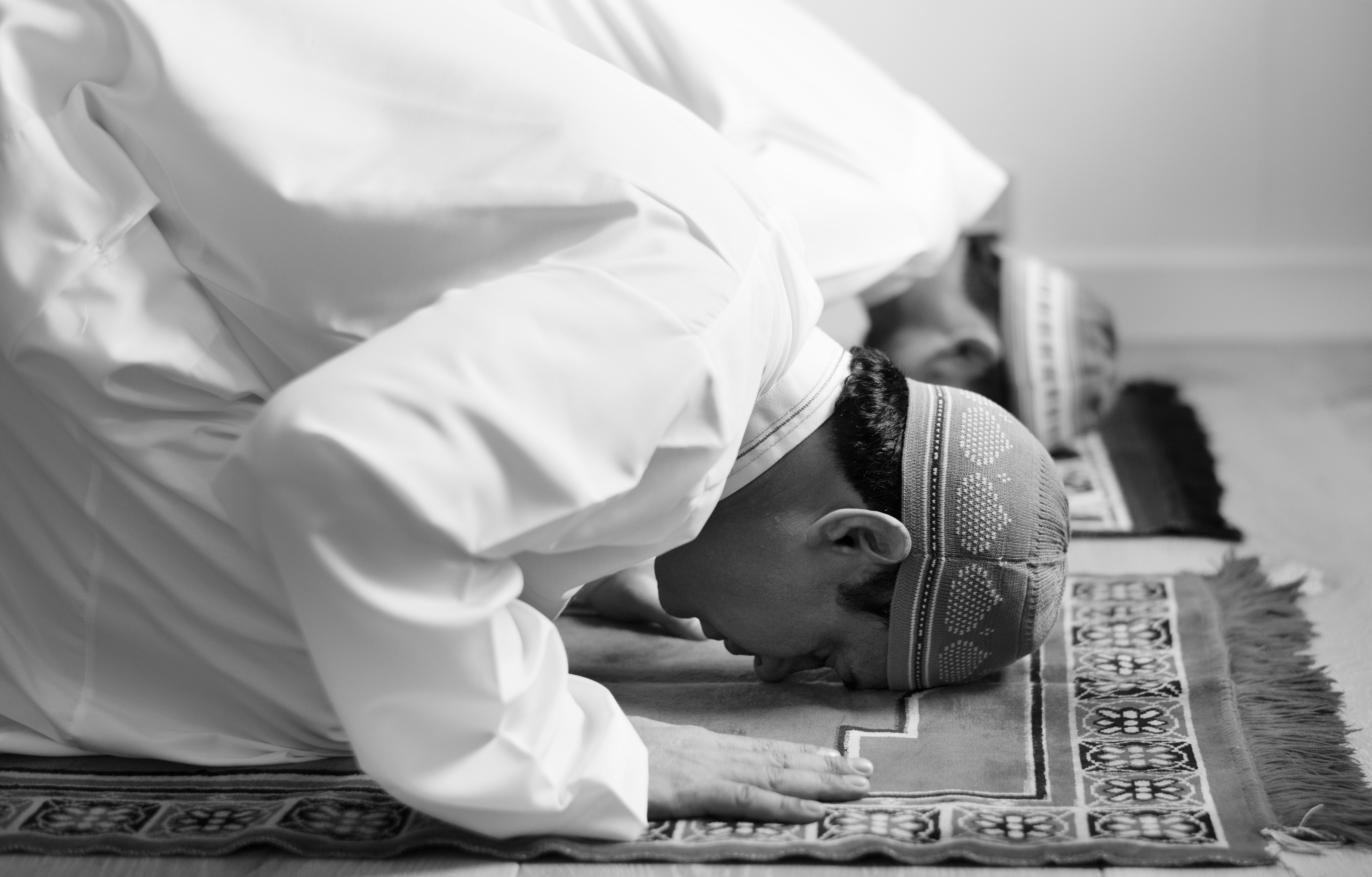
Beyond fasting, many Muslims increase their prayers, attend mosque more frequently and engage in acts of charity. Giving to the poor is especially emphasised during this period.
Ramadan also significantly affects daily routines. In many Muslim-majority countries, working hours are reduced, and social life shifts to the evening.
Families and communities gather to break the fast together and the nights are often marked by special prayers.
However, not all Muslims are required to fast. Islamic teachings provide exemptions for certain groups, including children who have not reached puberty, the elderly, pregnant or breastfeeding women, people who are ill and travellers. Those who miss fasting for valid reasons may be required to make up the days later or provide charity to the needy.
At the end of Ramadan, Muslims celebrate a major holiday called Eid al-Fitr, which marks the conclusion of fasting. It is a time of prayer, feasting and giving thanks.
For many Muslims, Ramadan is more than just fasting. It is a time of spiritual renewal, self-reflection and strengthening bonds with family, community and faith.