As Valentine’s Day approaches, a recent notice from the Central Bank of Kenya (CBK) has stirred debate across Nairobi’s romantic scene, giving new meaning to the saying, “love is a battlefield.”
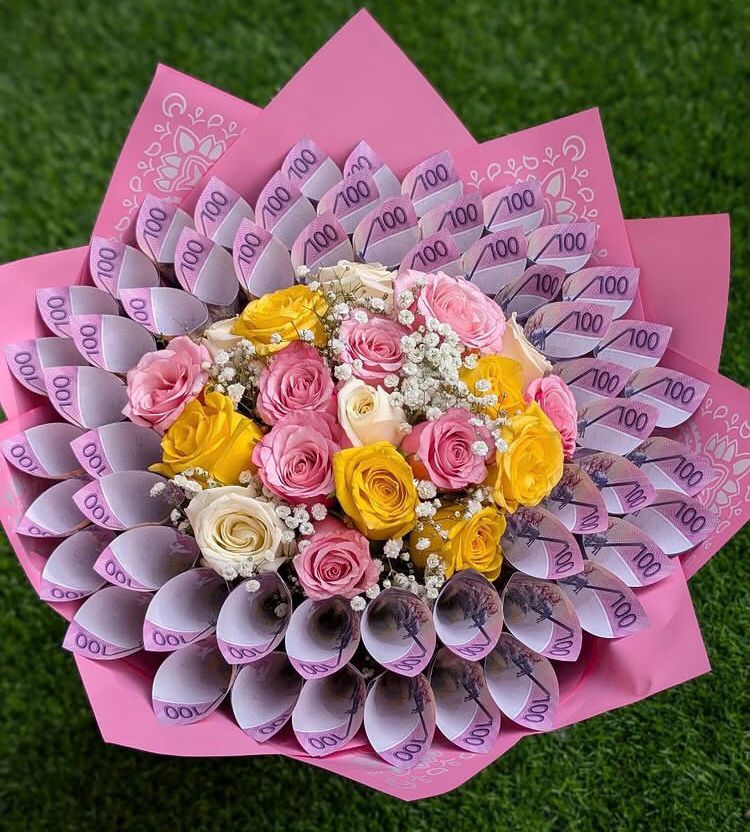
The public directive, issued on February 2, warns against using Kenyan shilling notes to create “money bouquets”—arrangements where bills are folded, rolled, glued, or stapled into shapes, often resembling flowers.
While giving cash as a gift is legal, defacing currency for decorative purposes is prohibited. The notice cites the damage to banknotes and the resulting impact on ATMs and other cash-handling systems, noting that replacement costs are ultimately borne by the public. It also references the Penal Code, with reports warning of penalties of up to seven years in prison for deliberate mutilation.
Beyond the legal and economic concerns, the trend raises cultural questions: where did money bouquets originate, and why have they become so popular?
Romance, Cash Bouquets, and Expectations
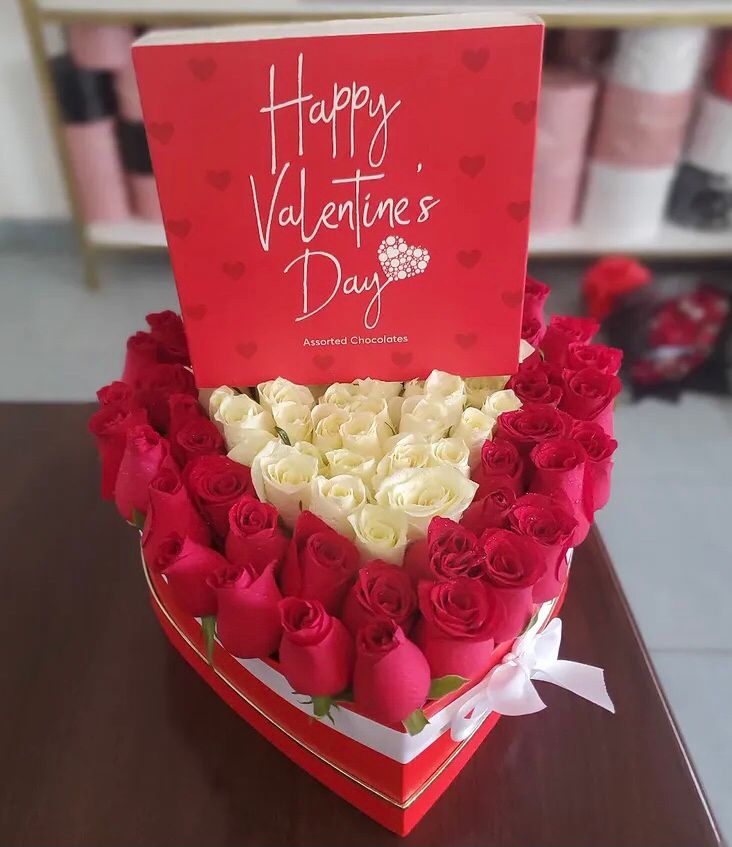
Giving money bouquets has become a common way to express appreciation on Valentine’s Day. Florists in Eastleigh, the CBD, Kilimani, and other areas sell arrangements ranging from Sh10,000 to 100,000, transforming side hustles into thriving businesses.
What began as a creative alternative has evolved into a near-mandatory benchmark for some couples, highlighting strained gender dynamics.
“For several men, the token feels financially overwhelming and performative,” said Ogola Joshua, a 28-year-old IT specialist in Westlands.
“My girlfriend used to put serious pressure on me about these bouquets. It became like a test; if you really love me, show it with a big one. Now with CBK, I can finally breathe as a law-abiding citizen.”
Social media users echoed the sentiment.
“The public notice from the Central Bank of Kenya has saved men ahead of this year’s Valentine’s Day. Back to basics; bouquet of flowers it is,” one post read.
Others offered more balanced perspectives.
“In their own way, money bouquets enhance the experience; some people like giving cash, so that would be a nice way to present it. For those who don't like much attention, then it wouldn't be necessary. Basically, it depends on the audience,” said Ken Mutethia.
Women, however, often associate larger displays of affection with commitment. “Just when I was about to be gifted,” lamented Eunice Eunny on social media, accompanied by a crying emoji. For many Nairobi women, money bouquets signal willingness to invest in a relationship, reflecting broader social dynamics amplified by social media comparison culture.
Roots in Prosperity and Appreciation
Money bouquets are not an ancient tradition like floral arrangements, which date back to Egypt, Greece, and Rome. Instead, they represent a 21st-century fusion of Asian monetary gifting practices with visual creativity.
In countries such as China, Japan, Malaysia, and Indonesia, cash gifts symbolise prosperity, good fortune, and blessings.
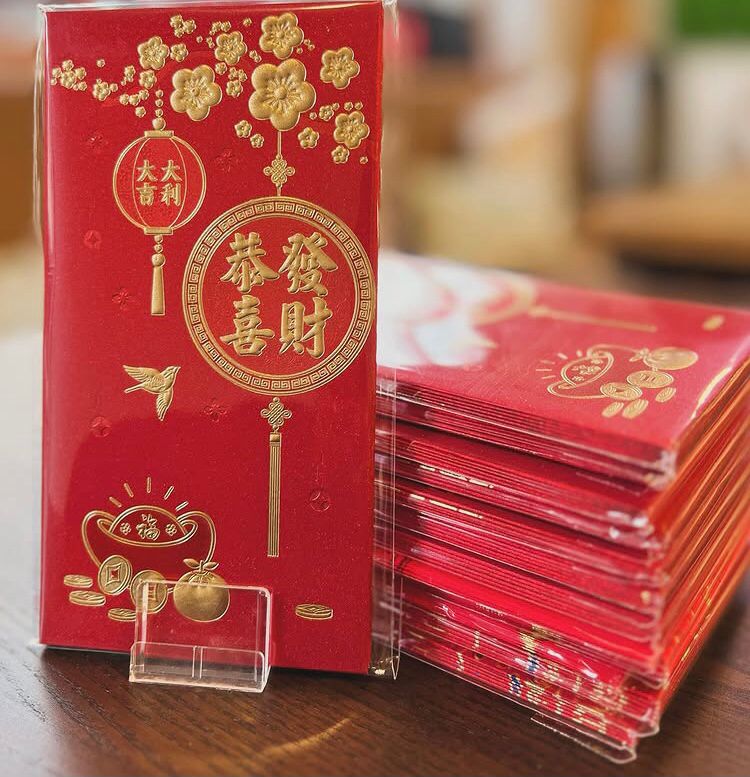
Chinese hóngbāo, for example, are decorative envelopes exchanged during Lunar New Year, weddings, and birthdays.
Over time, creative arrangements of notes—folded, rolled, or formed into roses and ‘money trees’—emerged as celebratory and Instagram-worthy gifts.
The trend spread worldwide in the 2010s, reaching Nairobi, where it aligned with a culture that values both practicality and public displays of affection.
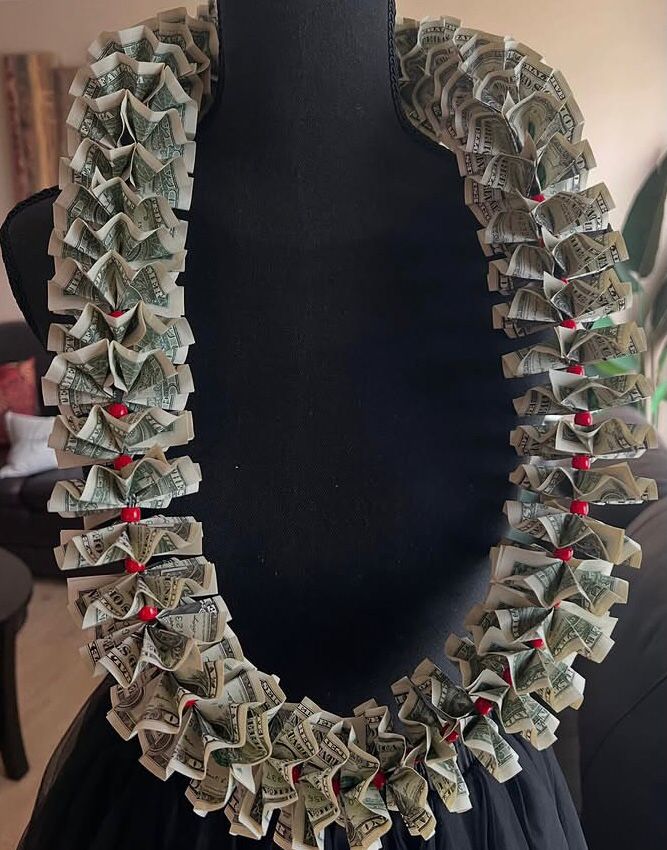
A related practice, the money lei—a garland of folded bills—is sometimes confused with money bouquets. Money leis originated in Southern California in the early 1990s, influenced by Hawaiian and Asian-American traditions.
“The traditional lei has an origin stretching far in Hawaii’s history when Polynesians came to the islands and introduced the custom of wearing vines and flowers. But the origins of the money lei are much more recent,” the Hawaii Lei Stand blog reported.
The Impact of the CBK Notice
The CBK notice triggered immediate reactions among florists and lovers. While sales initially dipped, creative solutions emerged, including compliant alternatives. Some have turned to foreign currencies such as US dollars and euros.
“Men are still coming through,” said a florist in Eastleigh who requested anonymity. “Some bring dollars themselves. Others ask us to source them. The pressure didn’t disappear; it just changed currency.”
The responses highlight a gender divide: men report reduced financial strain, while women express disappointment at the loss of a flashy, popular gesture.
Valentine’s Day Decisions
As February 14 approaches, Nairobi couples face choices: embrace simple, heartfelt gestures or adapt to compliant alternatives.
The money bouquet debate underscores the influence of global trends, social media, and economic realities on romance in Nairobi.
It also raises a broader question: is love flourishing, or is it constrained by societal expectations of how it should be expressed?





Comments 0
Sign in to join the conversation
Sign In Create AccountNo comments yet. Be the first to share your thoughts!