On a typical weekday afternoon in Nairobi, many professionals are stuck in traffic, racing against time to get home before the evening chores begin.
Laundry waits, rooms need cooling, and dinner planning looms.
But emerging artificial intelligence technologies suggest that the future African home may soon take care of much of this work on its own.
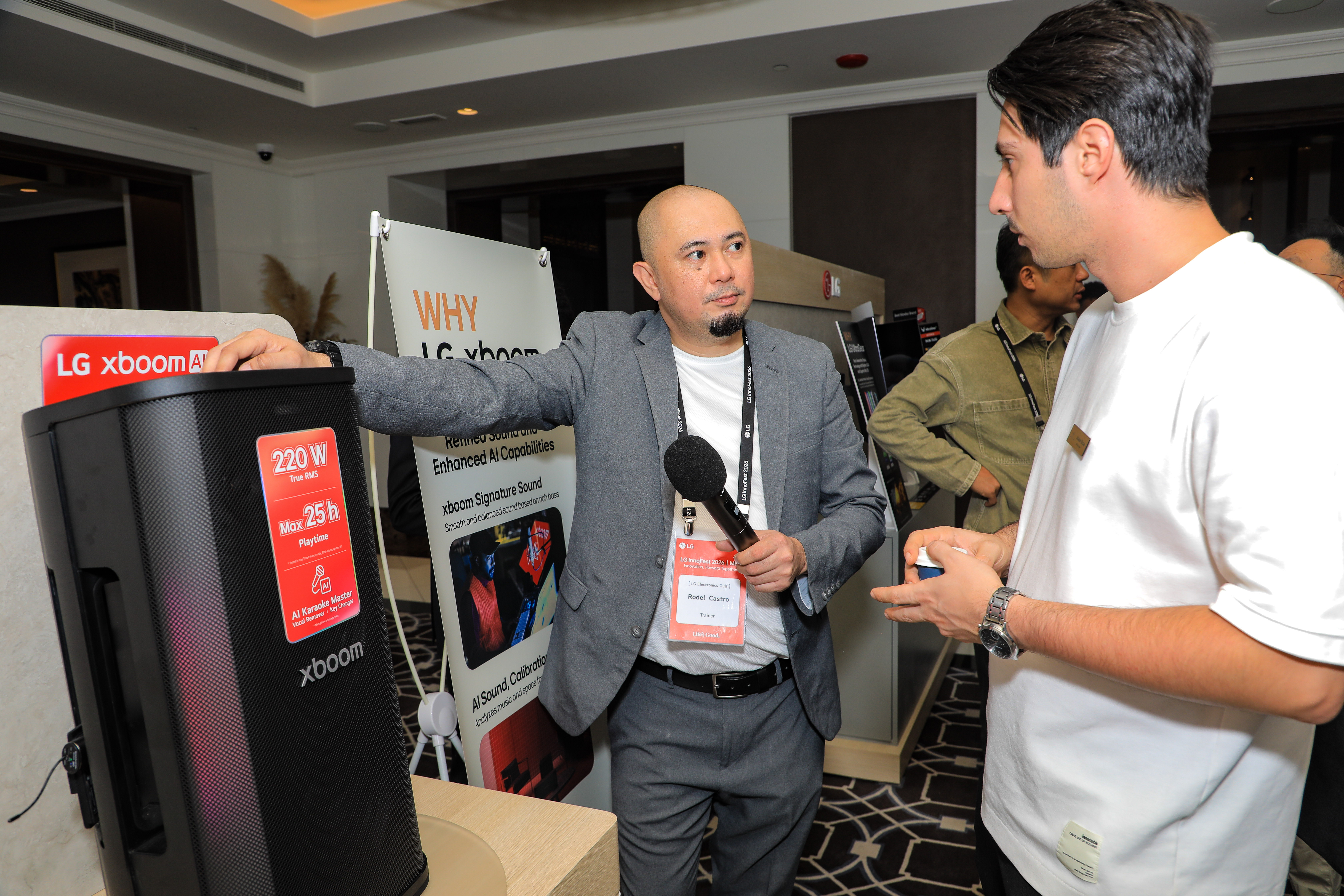
This vision was on display at LG InnoFest 2026, held in Abu Dhabi, where global technology makers showcased how AI-enabled home solutions are moving beyond convenience into what industry leaders now describe as the “Zero Labour Home”, a home that anticipates needs, automates tasks and reduces the daily burden of household work.
At the centre of this shift is the growing ability to control and monitor home appliances remotely, using mobile apps, voice assistants and connected sensors.
For Kenyan users, this means a washing machine that can be started from the office, a refrigerator that adjusts its cooling based on usage patterns, or an air conditioner that switches itself on before occupants arrive home.
“The innovations we’re undertaking is not just for the rich or upmarket, we making it easy for customers to access this AI enabled appliances and pay in installments”, Head of Marketing at LG East Africa, Jane Kariuki, says.
According to technology experts at the event, AI-driven appliances are no longer just reacting to commands. They are learning routines.
Washing machines can now detect fabric type, load weight and dirt levels, automatically selecting the most efficient cycle while saving water and energy, an important consideration in water-stressed urban centres.
Cleaning devices, including robotic vacuums, can activate when occupants leave the house and shut down once cleaning is complete.
LG electronics East Africa President, Donghun Lee, says this shift reflects wider trends across African cities, where urbanisation, smaller living spaces and dual-income households are changing how homes function.
Kenya’s smart home adoption, though still emerging, is projected to grow steadily as mobile connectivity improves and consumers become more comfortable managing their lives digitally.
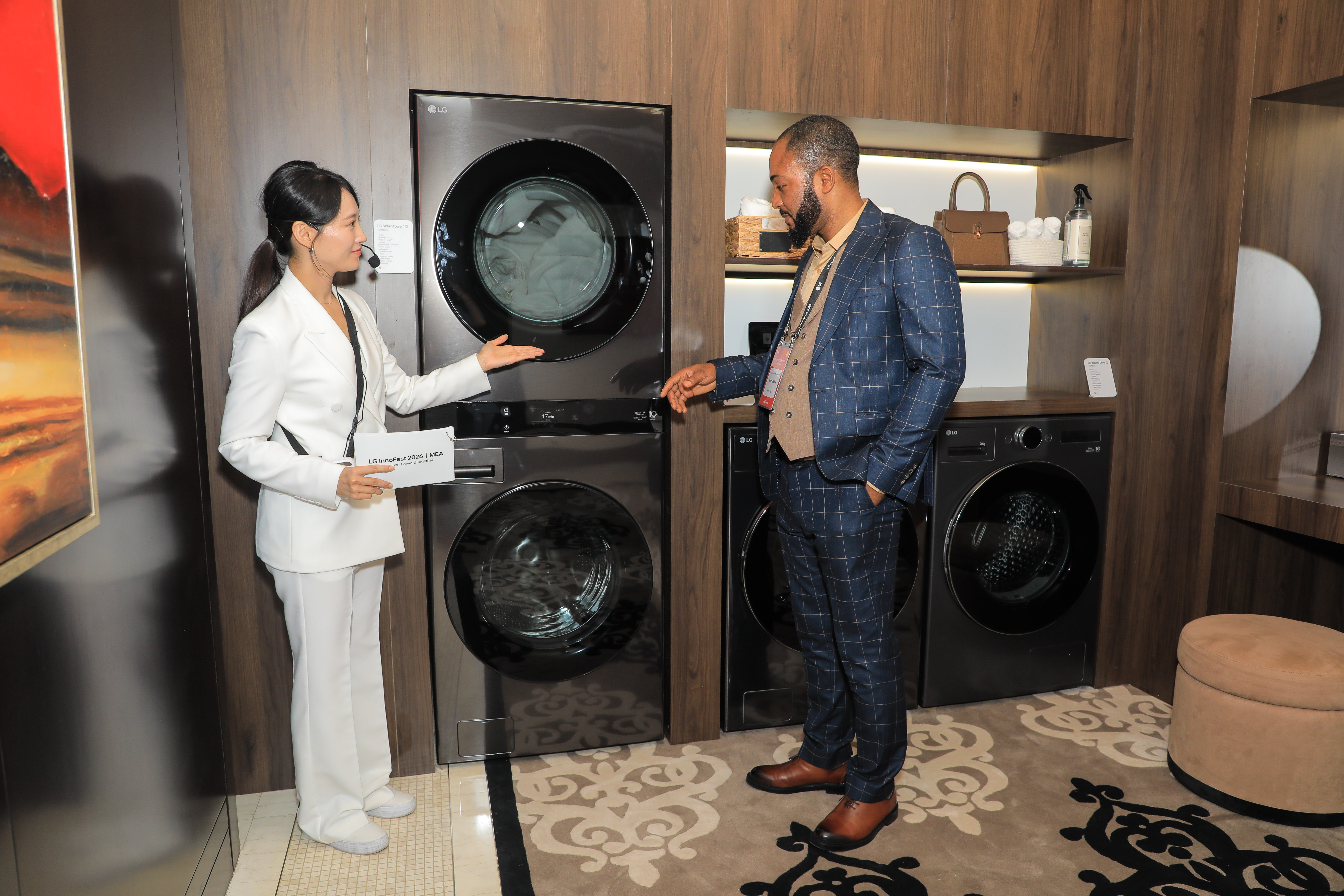
At InnoFest, AI home hubs demonstrated how multiple appliances can be linked into one ecosystem.
Through simple voice interaction or mobile commands, users can check laundry progress, adjust room temperature, monitor air quality or receive alerts if appliances require maintenance.
The idea is not constant manual control, but automation that works quietly in the background.
Chief Executive for the Middle East and Africa region at LG Electronics,Phil Jung, noted that the real focus is not futuristic gadgets, but practical technology that fits local lifestyles.
He said AI solutions must respond to how people actually live, whether in apartments, gated communities or mixed-use developments increasingly common in African cities.
For African users, cost and reliability remain critical.
Industry players are therefore expanding beyond premium products to include mid-range and entry-level smart appliances, ensuring AI features are not limited to high-end homes.
This approach recognises that meaningful innovation in Africa often succeeds when technology is accessible, durable and supported by strong after-sales service.
Another area gaining attention is energy efficiency and remote management.
AI-enabled systems can switch appliances off automatically when no one is home, reducing electricity consumption.
In the future, such systems could integrate with renewable energy sources, further lowering household costs.
Beyond individual homes, AI home technologies are also finding applications in apartments, student housing and hospitality, where centralised systems allow property managers to monitor energy use, maintenance needs and security in real time.
While the idea of a fully autonomous home may still seem distant, the building blocks are already here.
The everyday African home is becoming smarter, not through dramatic change, but through quiet automation that saves time, reduces effort and adapts to modern urban life.
As Nairobi and other African cities continue to grow, AI-powered home solutions point to a future where technology does not demand attention, but instead gives people back something increasingly valuable: time.