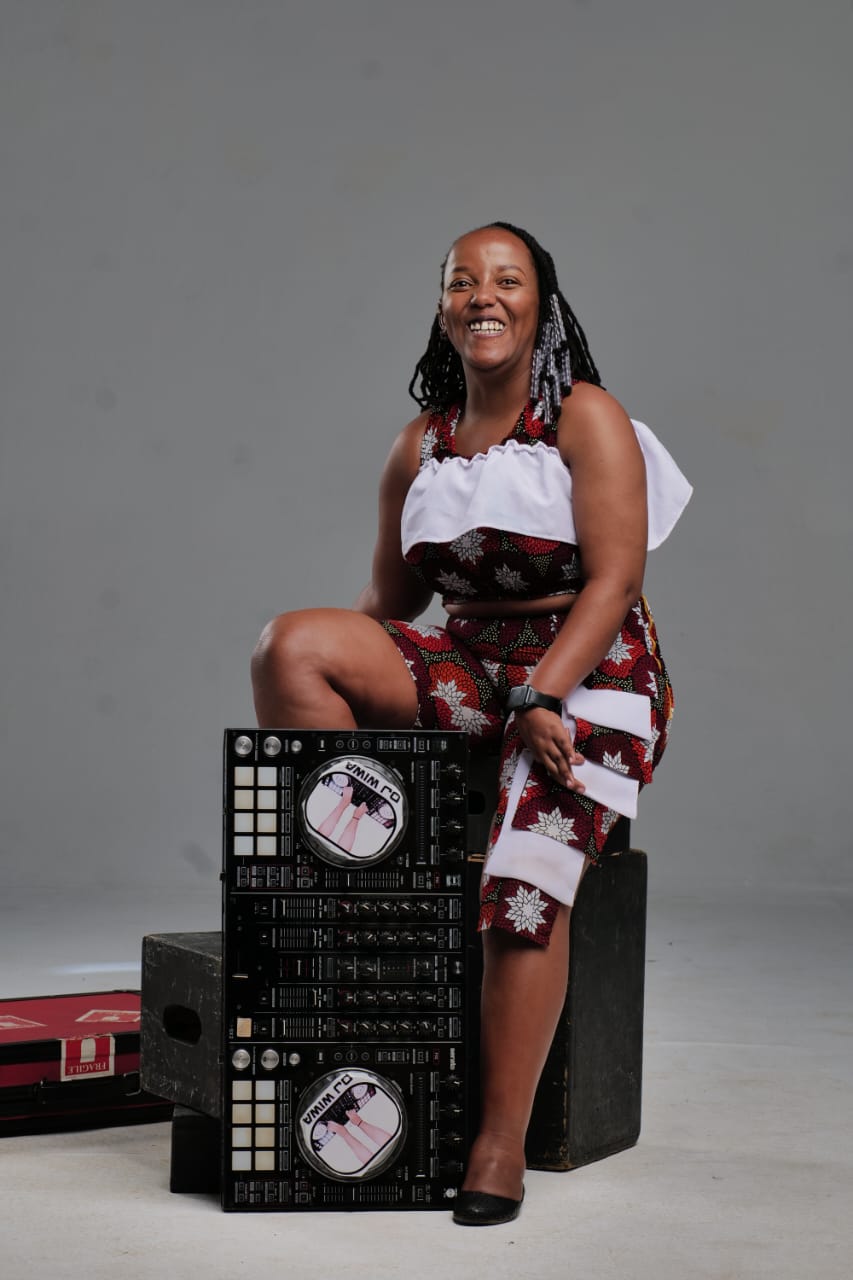
“I have limited use of my hands, and for a long time I relied on my sisters, friends and house helpers to help me change my pads, until we discovered Mirena.” – DJ Wiwa
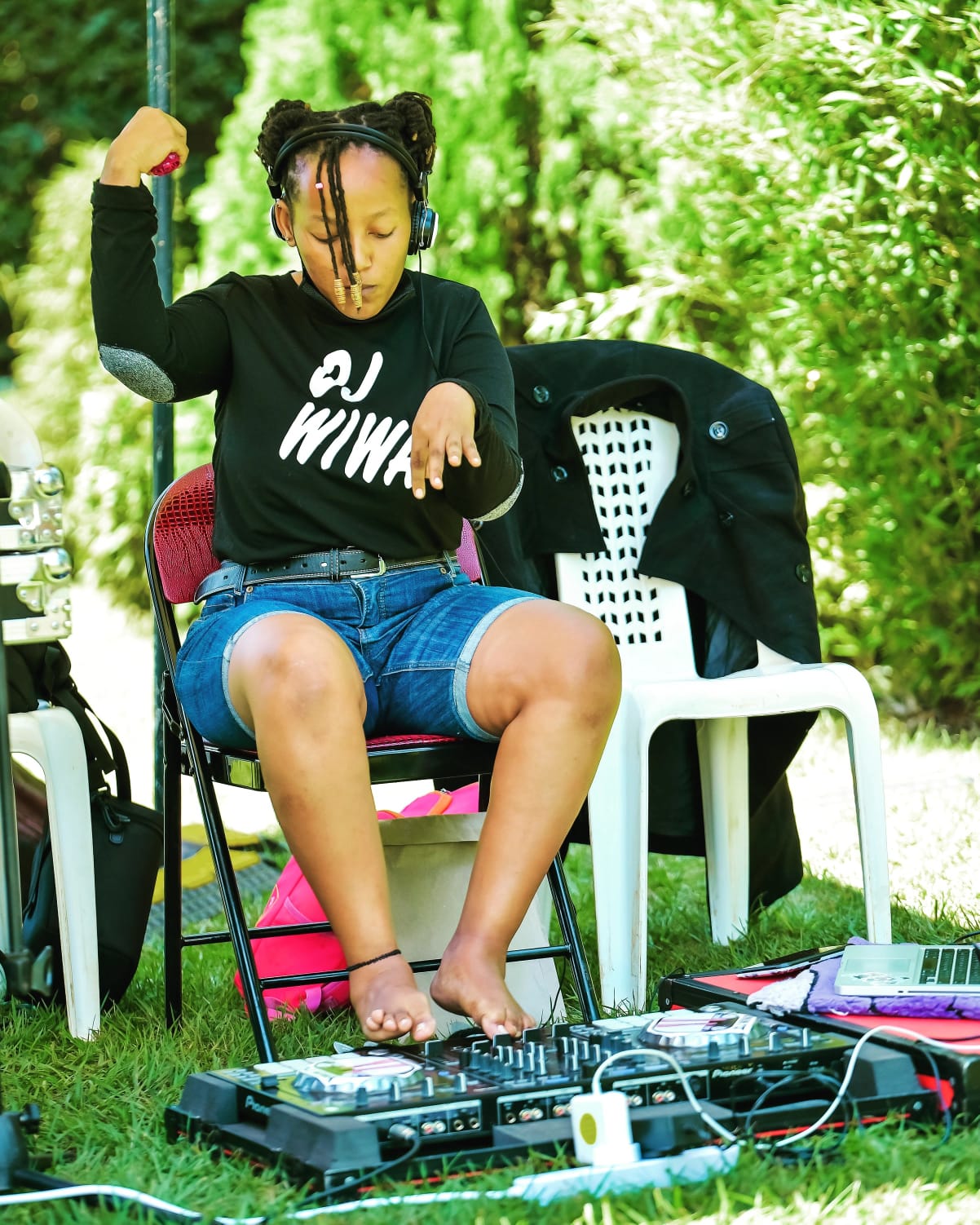
DJ Wiwa, whose official name is Winfred Muchiri, is a disability rights advocate and a renowned DJ. She performs using her legs, having limited use of her hands.
But long before she became known for her mixes, she learned how quickly assumptions attach themselves to women with disabilities.
“Discrimination for me is immediate,” she says. “People assume that because I’m a woman with a disability, I must be a gospel DJ.”
Wiwa has spent years pushing back against such narrow expectations. But some of the most limiting barriers she faced were not on stage, they were deeply personal, practical and invisible.
Before using Mirena, a hormonal intrauterine device, Wiwa relied on standard menstrual pads that were not designed with disability in mind. Managing her periods was exhausting and intrusive, often requiring assistance that compromised her independence.
“The available options didn’t serve my needs properly,” she explains. “They affected my performance during gigs. Booking shows while on my period was strenuous and impacted my productivity.”
Mirena was introduced primarily as a contraceptive, not as a menstrual hygiene solution for women with disabilities. Yet over the years, it has been widely recognised for its therapeutic benefits, including significantly reducing or stopping menstrual flow.
For Wiwa, that effect was transformative.
“I don’t mind the side effects,” she says plainly. “What matters to me is my dignity. Mirena makes my life easier.”
That search for dignity—beyond individual medical workarounds—is what pushed Wiwa into advocacy. She founded Beauty In Disability to amplify the voices of women with disabilities and demand accountability from systems that consistently overlook them.
“What works for me doesn’t work for all women with disabilities—and that’s exactly the point,” she says. “We should be supported to speak for ourselves, make our own choices, and hold the government accountable to ensure laws and policies are actually implemented.”
According to the Kenya National Survey for Persons with Disabilities (2007), only about 16 per cent of women with disabilities used contraceptives, compared to roughly 33 per cent of women without disabilities.
Nearly two decades later, there is still no up-to-date, disability-disaggregated national data on sexual and reproductive health—an omission that reflects deep state neglect.
About one million Kenyans live with disabilities, and 57 per cent of them are women. Yet their reproductive health needs remain largely undocumented, unmeasured, and therefore deprioritised.
For many women, the gap becomes painfully clear only after disability enters their lives.
Eunice Nikiragu got disabled after a workplace accident and had to relearn daily tasks using one hand. The emotional and psychological adjustment was immense. What she did not anticipate was how much harder managing her menstrual health would become.
“That’s when it hit me how inaccessible public restrooms are—in a flash,” she says.
Eunice is now a disability rights advocate at the Umoja Disability Centre. She participated in drafting the amended Disability Act of 2025 and continues to push for disability-friendly healthcare services, inclusive communication and mental health support for persons with disabilities navigating reproductive health.
“Accessibility is not a favour,” she says. “It’s the entry point. And when we get it right, everyone benefits. That’s why I encourage everyone to be an advocate.”
In 2025, Kenya passed an amended Disability Act, a move widely celebrated as a milestone. The law provides for clearer legal guidelines, tax incentives, employment protections, reasonable accommodation, and access to dignified healthcare for persons with disabilities.
But on the ground, the picture is far less triumphant.
“Women with disabilities in Kenya continue to face major gaps in realising their sexual and reproductive health and rights,” Hellen Dondo, a sexual and reproductive health rights (SRHR) advocate, says. “This shows up most clearly in contraceptive access.”
Recent studies cited in advocacy reviews estimate modern contraceptive uptake among women with disabilities at around 14 per cent.
By contrast, national estimates place overall contraceptive use among women and girls aged 15–49 at about 44 per cent in 2021, and the use of modern contraceptive methods among married women at about 57 per cent in 2022.
“This contrast is not about ‘choice,’” Dondo explains. “It’s about unequal access to information and services—limited disability-friendly counselling, persistent stigma, inaccessible facilities, and exclusion from outreach.”
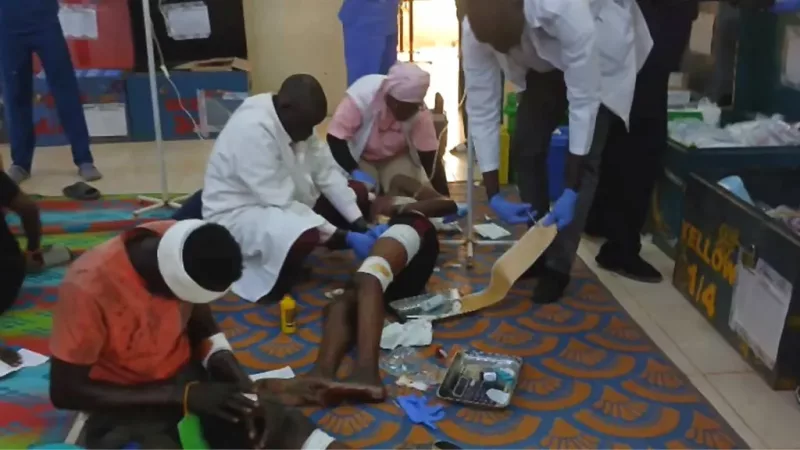
For many women with disabilities, barriers begin the moment they enter a health facility.
They face dismissive attitudes, communication gaps, physical inaccessibility and a lack of adapted equipment.
The result is reduced autonomy over fertility decisions and heightened vulnerability to unintended pregnancy and SRHR-related harm.
For Eve Gocho, stigma is often enough to keep women away from healthcare altogether.
“Some nurses ask you, ata wewe pia?—‘even you too?’” she says. “As if it’s shocking that women with disabilities might need contraceptives.”
Eve believes healthcare providers already hold prejudicial views toward young women seeking contraception—and those attitudes intensify when disability enters the picture.
“What’s worse,” she says, “is that nurses are more likely to suggest infertility-inducing contraceptives to me, while discouraging my non-disabled peers from using contraception before having children.”
The assumption is always the same: that women with disabilities do not want, should not want, or cannot have children. Providers rarely believe that contraception may be sought primarily for menstrual management, pain regulation, or autonomy.
Eve sought care after experiencing heavy menstrual bleeding and was advised to use hormonal contraceptives.
Her encounters with health workers, she says, mirror the experiences of many of her friends.
Research supports her account. Access varies significantly depending on disability type—deaf women, blind women, wheelchair users, women with cerebral palsy and those with psychosocial or intellectual disabilities all encounter distinct barriers.
Yet service delivery rarely adapts in practical ways, whether through sign language interpretation, accessible formats, or supported decision-making.
Counties widely in service availability, underscoring the need for disability inclusion to be implemented locally, not just declared in national policy.
As Kenya’s health sector increasingly adopts digital and AI-driven systems—often backed by global donors and international NGOs—new risks are emerging.
SRHR data remains largely non-disaggregated by disability, outdated, or incomplete. As a result, women with disabilities are effectively invisible in the datasets powering AI tools that inform funding, service delivery, and programme design.
When data flows upward to donors and global actors without accountability or feedback to communities, it reproduces a familiar pattern: knowledge is extracted, decisions are made elsewhere, and those most affected see little benefit.
In this context, AI risks entrenching ableist assumptions at scale—quietly reinforcing whose bodies are considered sexual, reproductive, or worthy of care.
Oliver Wainaina, a tech expert at Tusonge, argues that AI could also be part of the solution—if designed responsibly.
He notes that even many men struggle with SRHR terminology, such as “IUD,” and that the gap can be wider for deaf users relying on Kenyan Sign Language, which does not map directly onto spoken language.
AI-enabled tools, he says, could support translation, interpretation, and alternative formats, such as converting written health content into audio for users who are blind.
Organisations like Digital Dadas and Mama Siri are already contributing to disability-inclusive SRHR access, with Mama Siri offering confidential, survivor-centred information and referrals for women and girls with disabilities.
With informed consent and strong privacy safeguards, AI integrated into telemedicine could also help build the disability-disaggregated data banks that Kenya still lacks.
But innovation alone is not enough.
A feminist, disability-justice approach to AI in SRHR demands data justice: inclusive data collection, informed consent, meaningful participation of women with disabilities in design and governance, and resistance to extractive data practices that prioritise efficiency over dignity.
Kenya adopted a Menstrual Health Management Policy (2019–2030) promising dignified care for persons with disabilities across schools, workplaces and public life. Six years in, progress remains minimal. Disability-disaggregated data is still scarce, and implementation lags far behind rhetoric.
A Ministry of Health official, speaking anonymously, attributes delays to shifting priorities, institutional transitions and policy fatigue. The message is familiar—and insufficient.
Kenya’s laws increasingly speak the language of dignity and inclusion. Yet for many women with disabilities, dignity is still negotiated daily—through inaccessible toilets, biased counselling, and silence where data should exist.
For DJ Wiwa, Mirena offers independence. But it is also a workaround for a system that was never designed with her in mind.
Technology, like policy, can either dismantle exclusion or automate it. Without inclusive data, accountability and co-creation, AI risks scaling inequality—faster, quieter and behind screens rather than clinic doors.
If Kenya is serious about SRHR equity, it must move beyond celebrating policy milestones to delivering measurable change: disability-friendly facilities, trained and accountable healthcare workers, accessible information systems and routine disability-disaggregated reporting that feeds both policy and digital health tools.
Women with disabilities must not be treated as afterthoughts—or data points—but as decision-makers.
Dignity cannot depend on luck, personal networks, or a single contraceptive method that happens to work. And in an era of AI-driven healthcare, justice cannot exist without data that recognises everybody.
This article was produced as part of the Gender+AI Reporting Fellowship, with support from the Africa Women’s Journalism Project (AWJP) in partnership with DW Akademie. The journalist used AI tools only as research aids, to review and summarise relevant policy and research documents and extract key statistics. All interviews, analysis, editorial decisions and final wording were done by the reporter, in line with Radio Africa Group’s editorial standards.