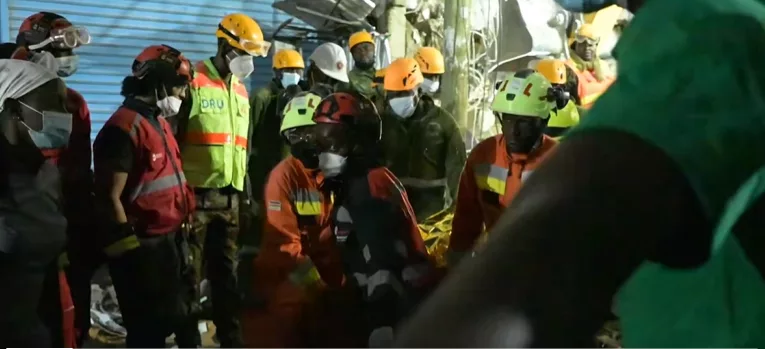
On February 1, 2026, two men were confronted and stoned to death after they were accused of stealing maize cobs from a farm in Kiwanja area, Kahawa West, Nairobi.
The circumstances under which James Muraga Maina and Daniel Nudhu Njoki died remain a subject of investigation for now.
But the postmortem examinations on the bodies indicate the victims were struck with a blunt object and forced to swallow raw maize and chilli peppers, pointing to a deliberate attack.
Last week, two men were lynched at a home they had been taken to in Meru to help in evicting the owner in a land dispute. Ten others escaped the wrath of the public in the drama.
This has been the norm where suspects are confronted and killed by mobs.
The incidents are not restricted to urban areas, as dozens of others are reported in villages, police said, citing the trend.
According to police records, up to four cases of mob injustice are reported daily.
Most of the victims are accused of being thieves and mostly mobile phone snatchers. They are mostly men.
They usually ride on motorcycles, targeting pedestrians for attacks. Those lucky manage to escape with the gadgets, while those unlucky are pursued and stoned to death.
The majority of those participating in the trend are boda boda riders who say the thieves are spoiling their businesses.
On February 3, 2026, alone, mob injustice incidents were reported in Kasarani area in Nairobi, Reru area in Kisumu county, Riruta area in Nairobi, Kagumo in Kirinyaga county, Emali area in Makueni county, Awendo area in Migori county and Isebania, Migori county.
Others were recorded in Kaweru, Muranga county, Asumbi, Homa Bay county, Chavakali area in Vihiga county and Cheptais area in Bungoma county, leaving at least six people dead and others wounded.
The injured are admitted to hospitals with life-threatening injuries.
On February 2, the incidents were reported in Kakamega Town, Bungoma’s Sirisia area, Sondu, Kisumu county and Mjambere, Mombasa county.
Police argue they are also targeted and attacked by mobs whenever they try to intervene and rescue the victims being lynched.
This has left dozens of police officers with serious injuries.
Others say they opt to stay away for their safety, even after being alerted to an ongoing mob lynching.
“You can respond there, be attacked, and you fight back using a gun, which can leave many dead or wounded in the process. The best thing to do is to stay away and wait,” a police officer who asked not to be named said.
Police authorities say the trend is worrying as even innocent people are killed or left with serious injuries in the trend.
National Police Service Spokesman Michael Muchiri wants the trend to stop and suspects to be surrendered to authorities for processing.
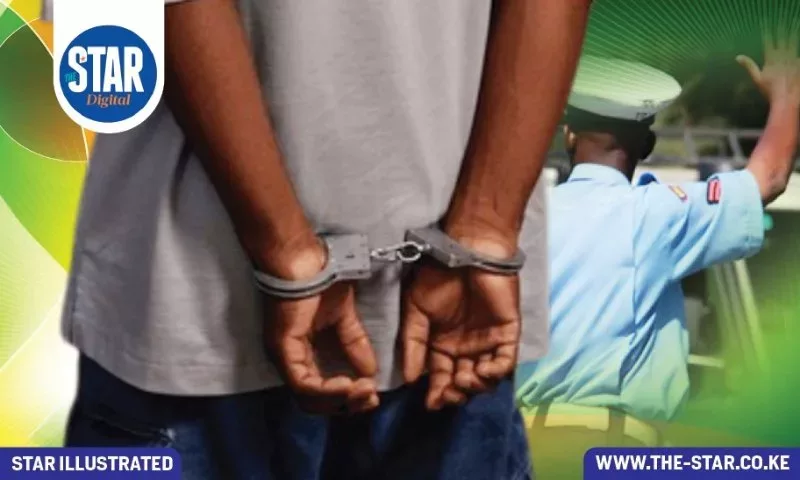
“Mob lynching is criminal, and all those participating in it should be informed. The suspects are deemed innocent, and it is only the courts that can determine that. We urge that all suspects be surrendered to authorities for processing and prosecution.
Muchiri said dozens of cases remain under investigation and hoped they will be solved by having those who participated in the now murder face justice.
Muchiri warned that those involved in the attacks will face the law, as the autopsies of the identified victims had been conducted and records kept.
“It doesn’t matter when. We believe in justice and let it be that way,” he said.
He said in the past, courts have convicted suspects who participated in mob lynching.
For instance, in 2023, Justice Roselyn Aburuli convicted two people for the lynching of a suspected mobile phone thief in Siaya County.
The judge admonished the accused for not apprehending the suspect and handing him over to the police as required by law.
During the trial, the person whose phone was stolen and led to the lynching testified that the deceased had been brought to their homestead before being assaulted.
In the postmortem report, it was confirmed that blunt force trauma caused the deceased’s death.
In this case, the deceased died as a result of mob injustice, which means there were probably far more people involved.
It was the two convicts who were fingered by the police and subsequently charged and convicted.
Their convictions, police said, serve as a cautionary tale and a reminder that only law enforcement can deal with criminals, except in cases of citizen arrests.
The police said the incident had happened in May 2022.
Mob lynching in Kenya, often referred to locally as "mob justice" or "jungle justice," stems from a complex mix of systemic, economic, and social factors.
It is generally a violent, public response to perceived crimes where communities feel the formal justice system is inadequate or corrupt.
Police investigations have revealed that some of the incidents, especially in parts of Kisii and Kilifi counties happen out of ill motivated desire by unscrupulous characters to disinherit the elderly, who are mostly widows of their land and property, which could be the driving force behind the heinous lynching of the hapless senior citizens.
Other reasons found to encourage the trend are the widespread belief that the formal justice system is slow, inefficient, corrupt, and only available to the wealthy.
Citizens often feel that police are ineffective in prosecuting criminals, leading to a "self-help" mentality of "instant justice".
Frequent incidents of robbery, petty theft (such as mobile phones, livestock, or motorcycles), and murder in certain areas lead communities to take extreme, preemptive action to protect their property and lives, according to internal police research.
High rates of poverty and unemployment also contribute to rising crime, which in turn fuels the frustration of citizens who rely on their belongings for survival.
Group dynamics play a significant role because when a crowd forms, it often acts impulsively, with individuals losing personal accountability in favour of collective action, police said, warning that those responsible will be caught with time.
In many areas, boda boda riders have been implicated in brutal lynchings, often taking the law into their own hands in retaliation for theft of motorcycles or in accidents involving their peers.
Officials say in regions like Kisii and Kilifi, accusations of witchcraft often result in mob violence, frequently targeting elderly people, while in some areas, lynchings are unfortunately considered a "part of their national culture" or a traditional way of enforcing order against perceived evildoers.
Unverified rumours spread quickly, particularly through social media or word-of-mouth, sparking violent and sometimes misguided attacks on innocent individuals, police said in a probe commissioned in 2023.