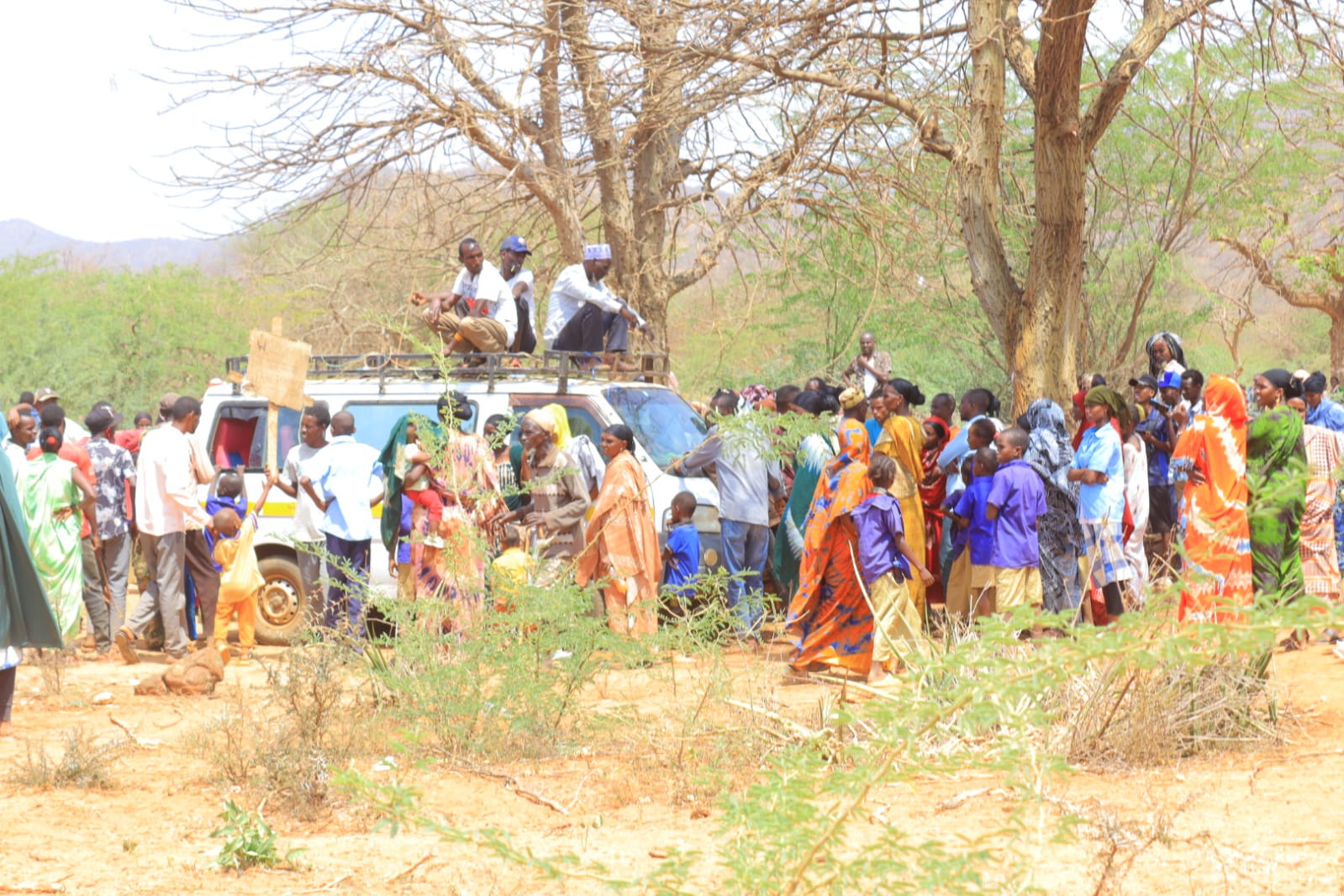
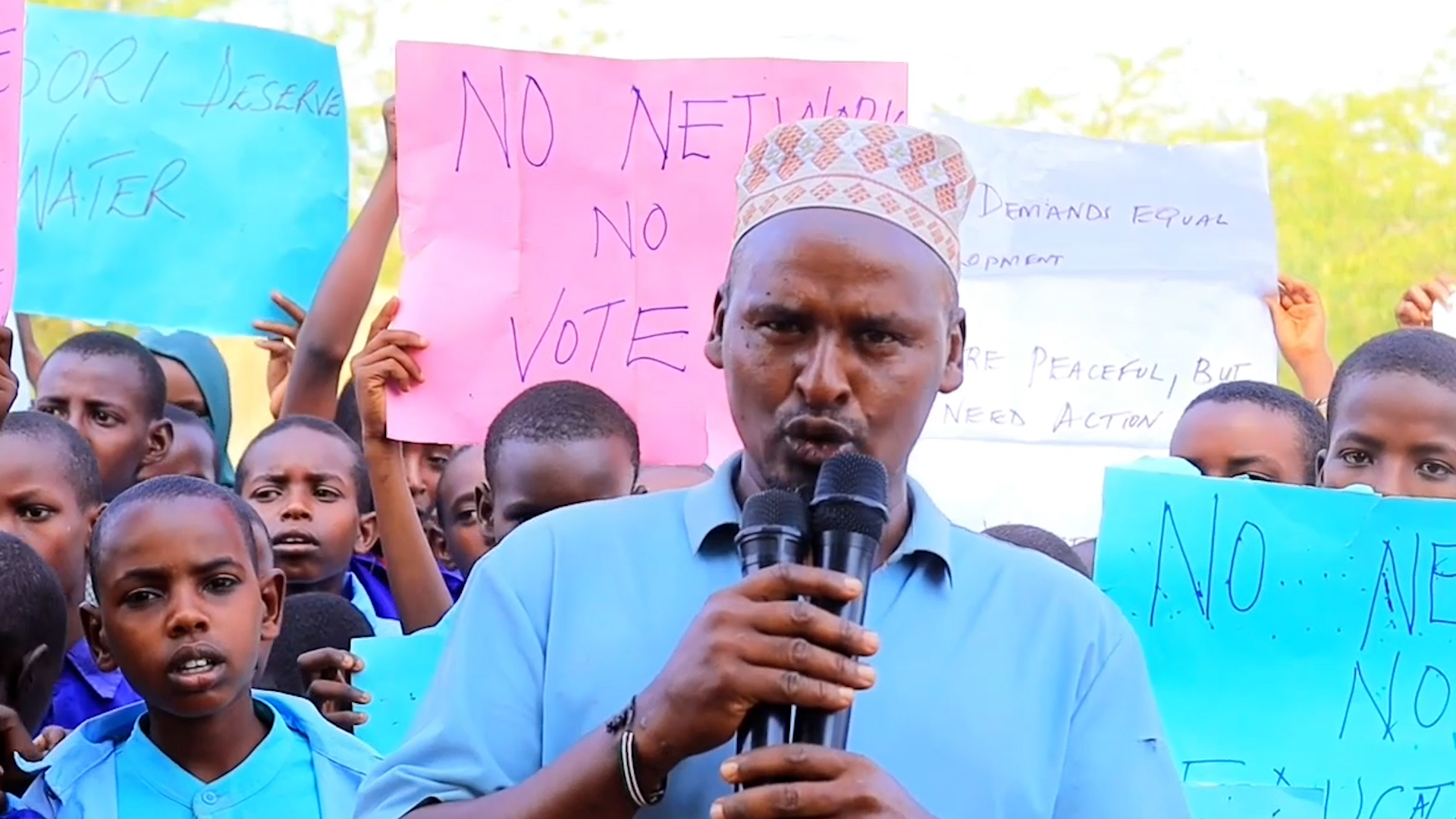
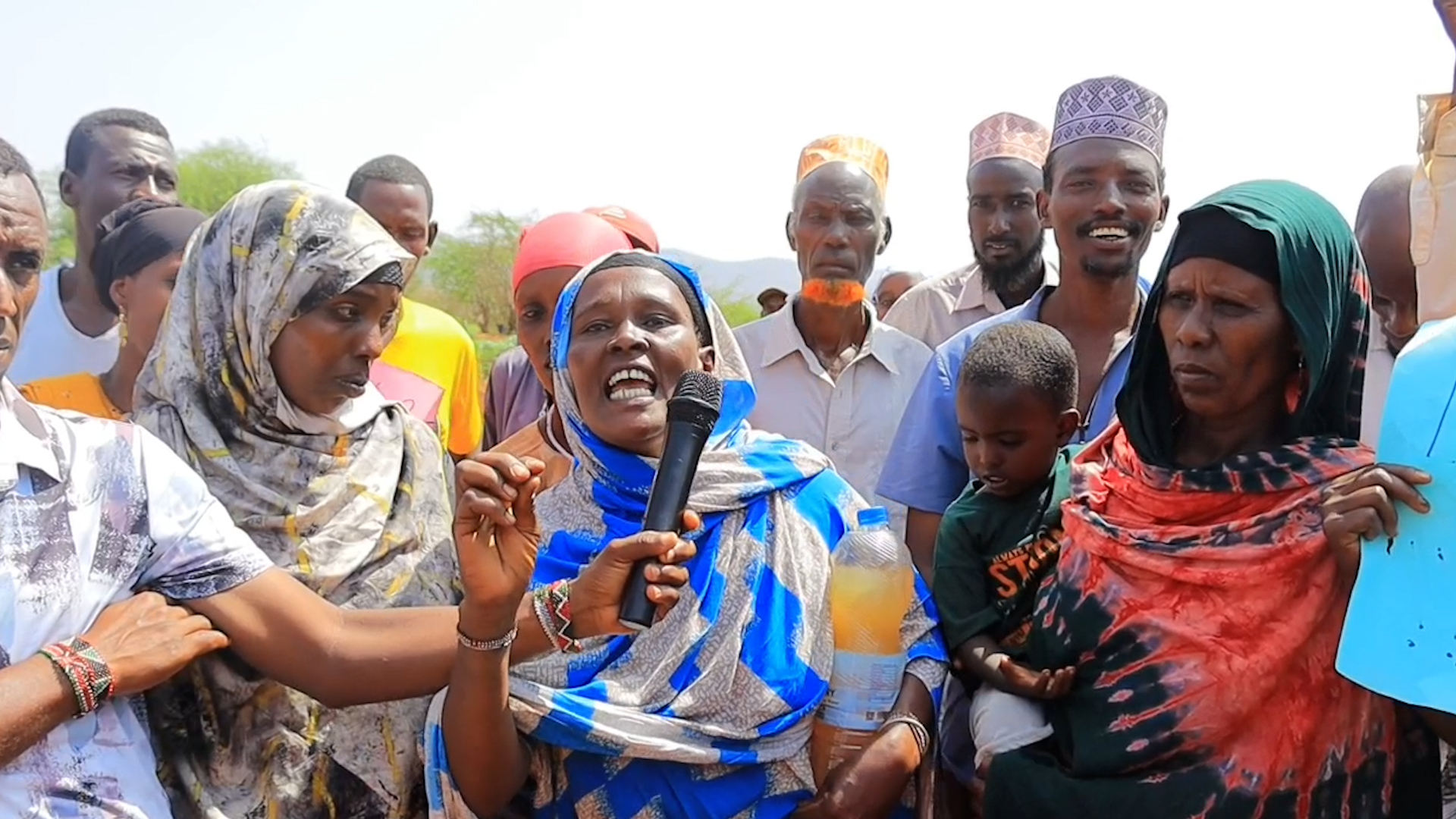
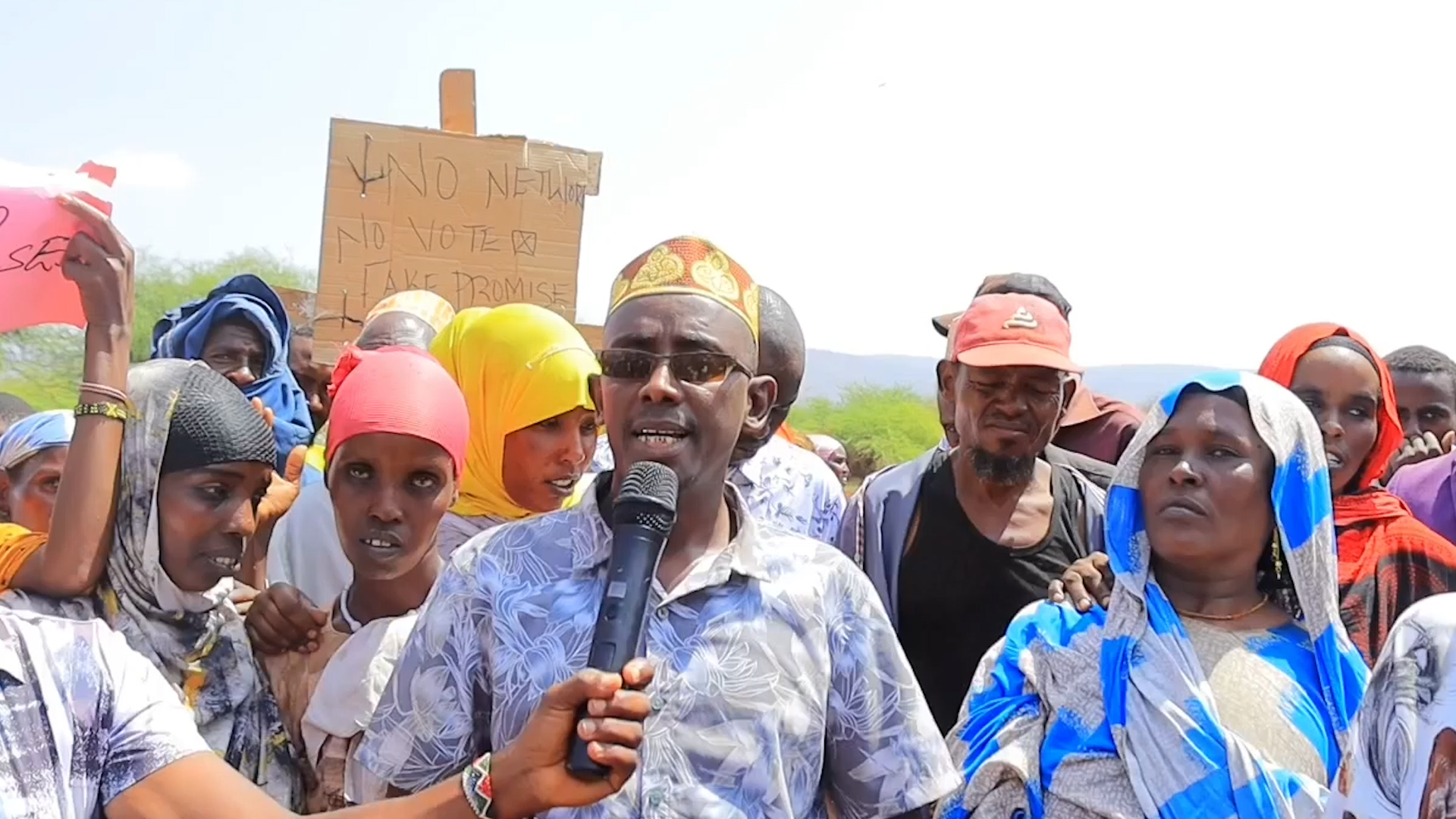
More than 2,000 residents of Bori location, Marsabit say they may be forced to abandon their homes after enduring four years of acute water scarcity.
Speaking to the press on Saturday, they said they had been neglected by the county and national governments.
The crisis began when the only borehole serving the remote area was destroyed by erosion, cutting off the community’s sole reliable source of water.
Located about 40km from Moyale town, Bori’s extreme isolation has since turned the water shortage into a looming humanitarian crisis.
“We now feel forgotten and treated as non-Kenyans despite having lived here since independence. We have been left with no option but to migrate,” village elder Mzee Wario Gufu Jillo said.
The prolonged water shortage now threatens the survival of the community’s last remaining institution: Bori Primary School.
The school, which serves more than 700 pupils, faces imminent closure due to lack of water and other basic amenities. Residents say its closure would deal a devastating blow to the future of the village.
The water crisis has also exposed the collapse of other essential services.
Bori’s only dispensary operates with a single nurse, Halima, who struggles to serve patients amid chronic drug shortages.
Community Health Promotion Workers have abandoned their duties after going eight months without pay from the Marsabit county government. Security guards attached to the facility are similarly unpaid.
Residents say the situation has left the community dangerously vulnerable.
Compounding the hardship is a near-total communication blackout. The area has no mobile network coverage, effectively cutting residents off from the rest of the country.
“The moment we arrive in our location, our phones become useless,” resident Mzee Ibrahim Ali said.
"We have to travel nearly 10km just to make a phone call."
He added that access to national news and current affairs can take up to a week, often requiring exhausting journeys to Moyale town.
Anger is now directed at elected leaders, whom residents accuse of decades-long neglect.
“Our leaders have never prioritised our needs since independence. We have been abandoned to perish on our own,” resident Adan Ali said.
“It has reached a point where we are asking whether we truly deserve to be Kenyans. With no water, collapsing health services, a school on the verge of closure and no way to communicate our suffering, we are questioning our place in this nation.”
Efforts to obtain a comment from the Marsabit Water department and local area leaders were unsuccessful by the time of going to press.
INSTANT ANALYSIS
The crisis in Bori exposes the compounded impact of infrastructure failure, geographic isolation and prolonged government neglect. What began as a technical issue with the collapse of a single borehole has spiralled into a full-blown humanitarian emergency, affecting water access, education, healthcare and communication.