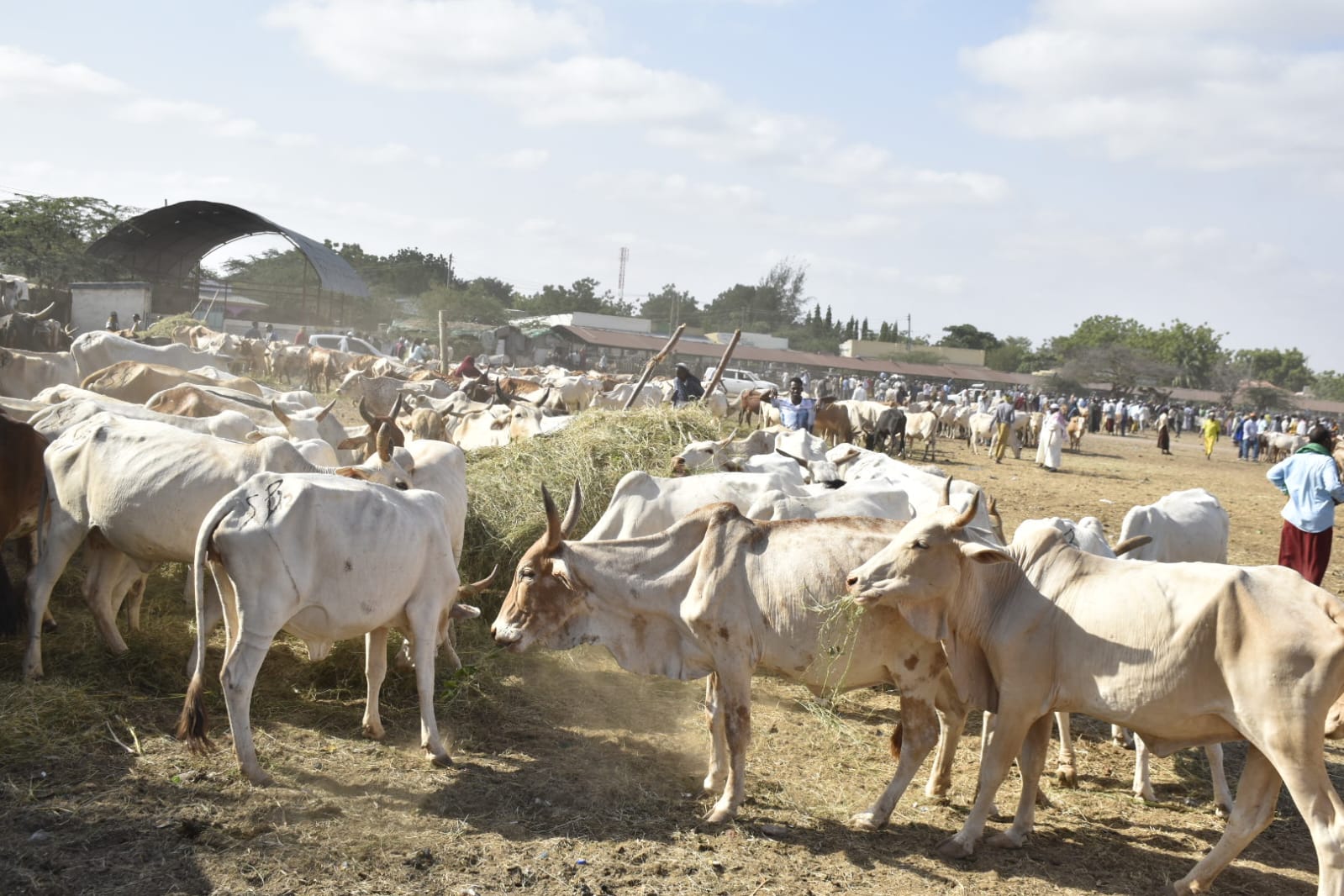
 Malnourished cows at the Garissa livestock market feeding on fodder./STEPHEN ASTARIKO
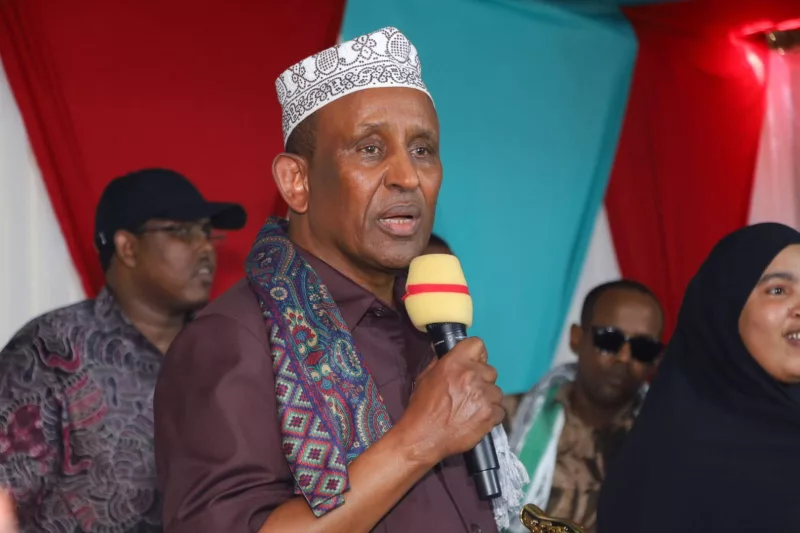
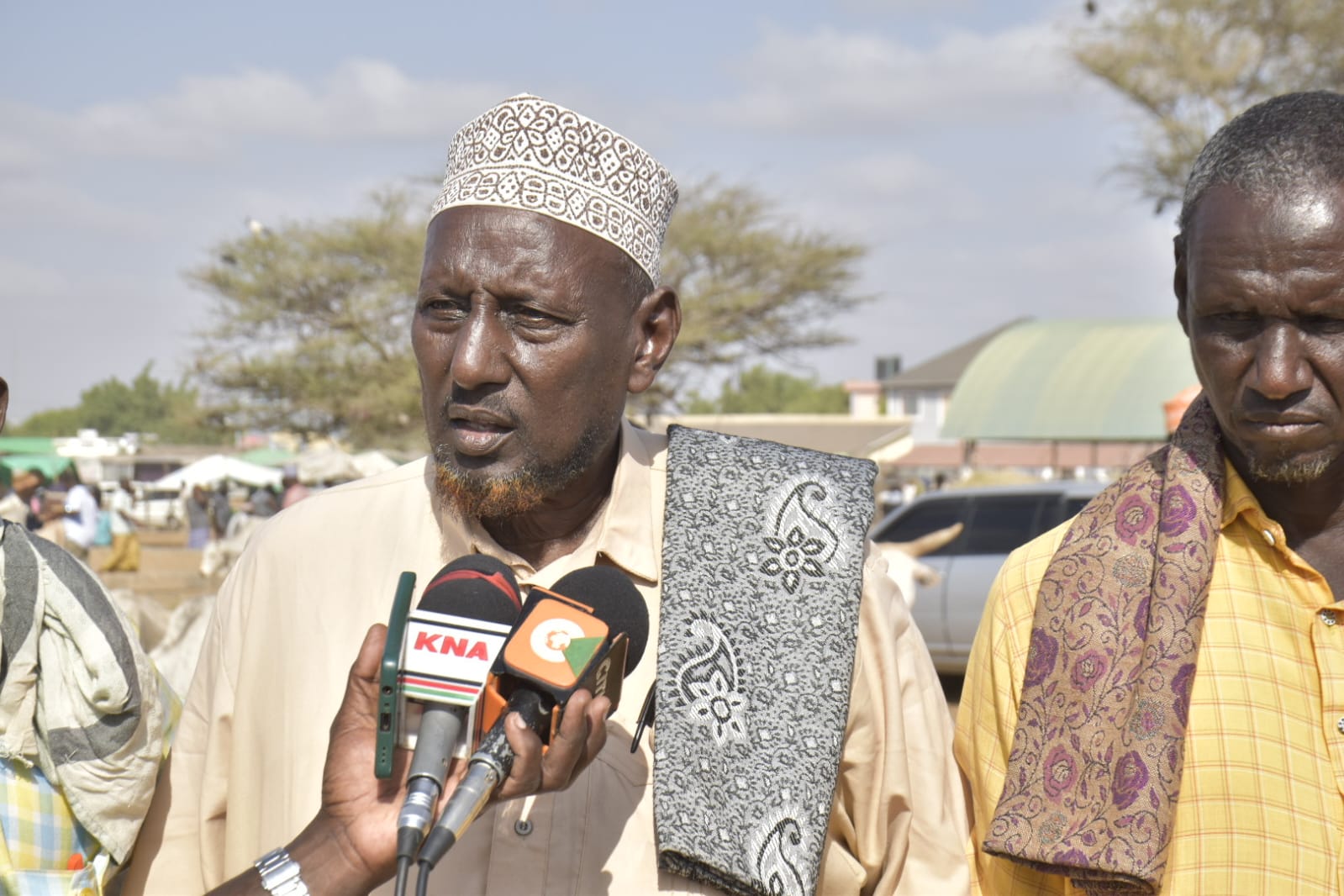 Mohamed Nunow, the chairman of the Garissa livestock market./STEPHEN ASTARIKO
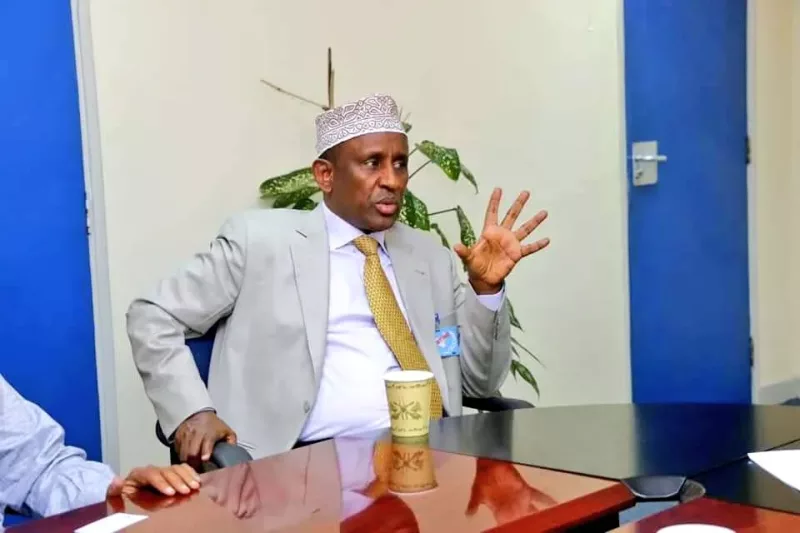
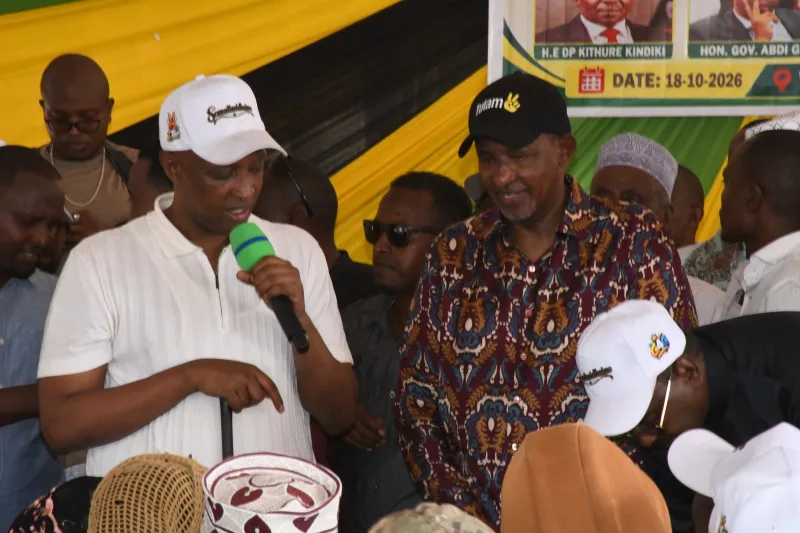
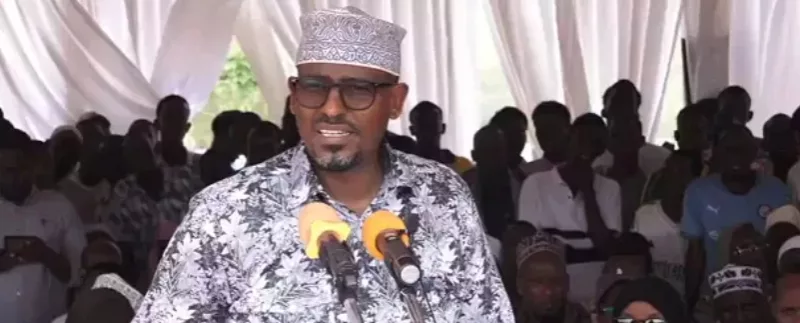
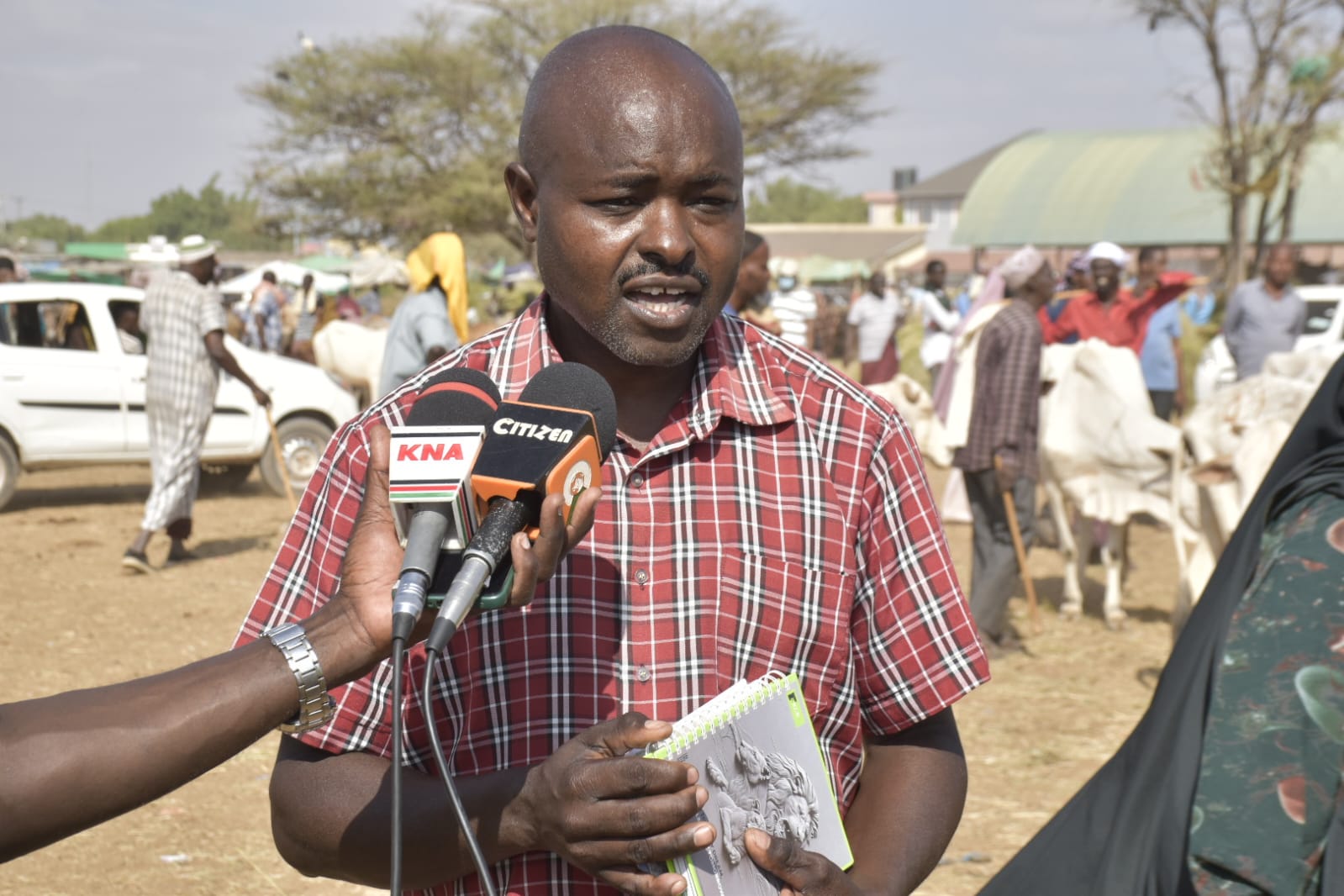 Stephen Mutuko, a Livestock Production Officer from the
State Department of Livestock./STEPHEN ASTARIKO
Stephen Mutuko, a Livestock Production Officer from the
State Department of Livestock./STEPHEN ASTARIKO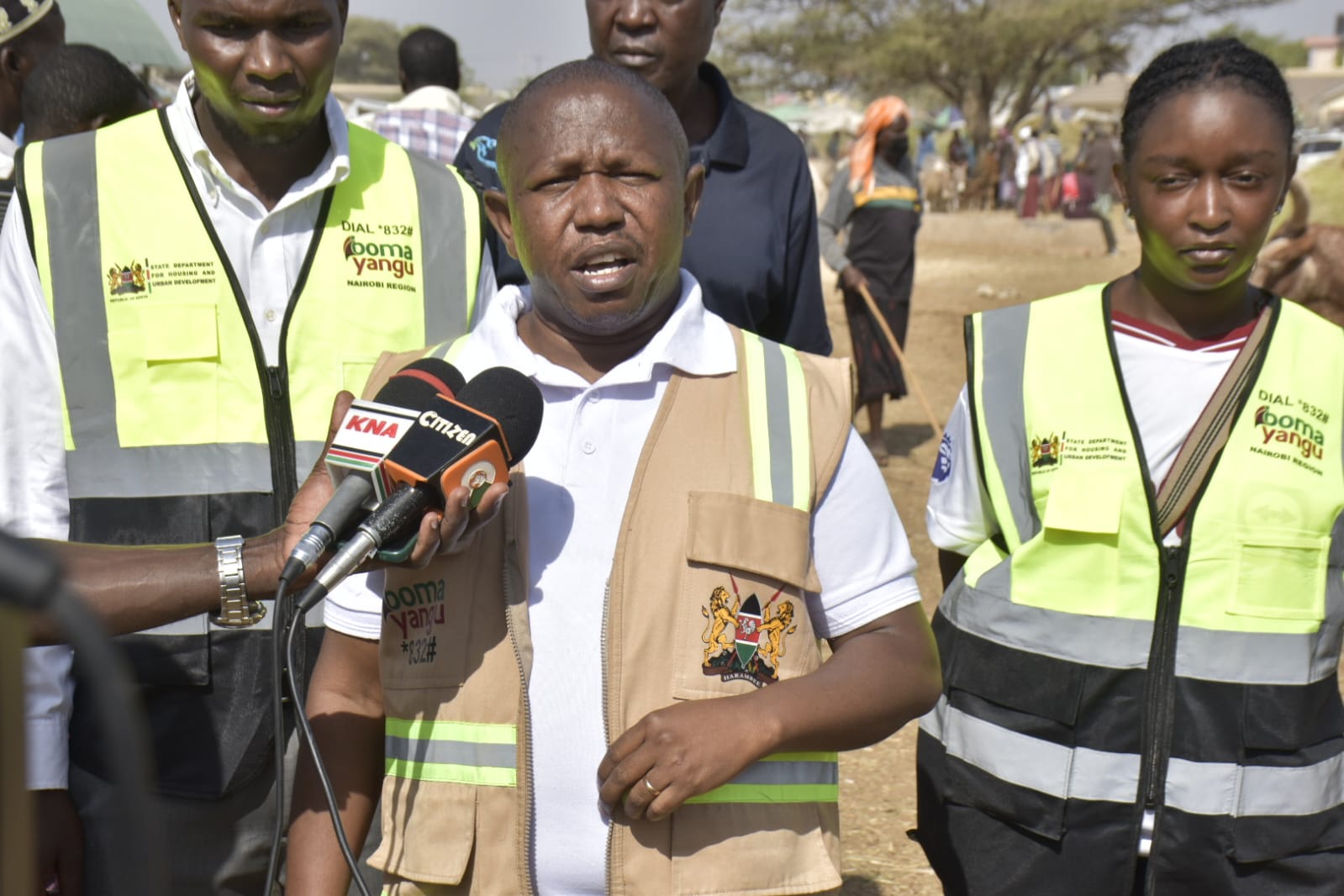 KingMwal Mwaluko, an architect and Design Director from the
State Department of Housing./STEPHEN ASTARIKO
KingMwal Mwaluko, an architect and Design Director from the
State Department of Housing./STEPHEN ASTARIKOLivestock traders in Garissa county have welcomed government plans to construct a modern livestock market, a move expected to improve infrastructure and boost livelihoods.
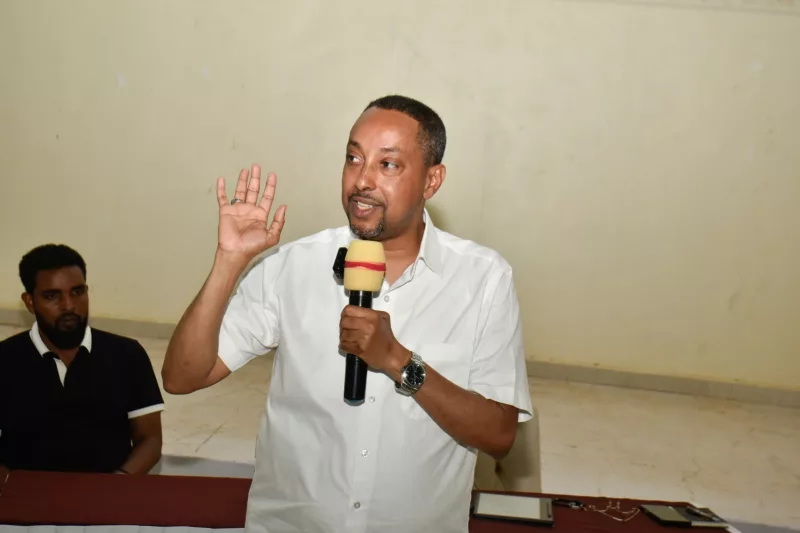
The announcement followed a tour of Garissa livestock market by a multi-agency team from the State Departments of Livestock and Housing. The team included architects and consultants.
They held interactive sessions with traders to discuss their experiences, challenges and expectations.
The Garissa livestock market, located on the outskirts of Garissa town, is the largest in East and Central Africa. It attracts traders from neighbouring Somalia and Kenyan counties, including Mandera, Wajir, Isiolo and Tana River.
Stephen Mutuko, a Livestock production officer at the State Department of Livestock, said the government was committed to improving the market and using it as a model for similar facilities nationwide.
“This is one of the biggest markets in East and Central Africa. We want to develop a model livestock yard here and replicate it in other counties,” Mutuko said.
He said improving livestock markets is a priority, as most residents in the region depend on livestock as their main source of income.
Traders raised concerns over the lack of basic amenities, including toilets, water, perimeter fencing and resting facilities.
Triza Okecha from the State Department of Livestock said these challenges would be addressed in the new market.
KingMwal Mwaluko, design director at the State Department of Housing, said construction is expected to begin in March and be completed by December. The project will include roofing, offices, toilets and designated yards for cows, goats, sheep and camels.
Mohamed Nunow, the market chairman, lamented decades of neglect.
“It is surprising that this massive market has not had a single toilet. Traders are forced to use nearby neighbourhoods, and animals often die from hunger and thirst,” he said.
Traders also called for additional support, including storage facilities, fodder farming and financial investment to cushion pastoralists against recurring droughts.
“Drought is here to stay and livestock production drives the economy here. The government must support fodder farming and invest in the sector,” local trader Abdikadir Hussein said.