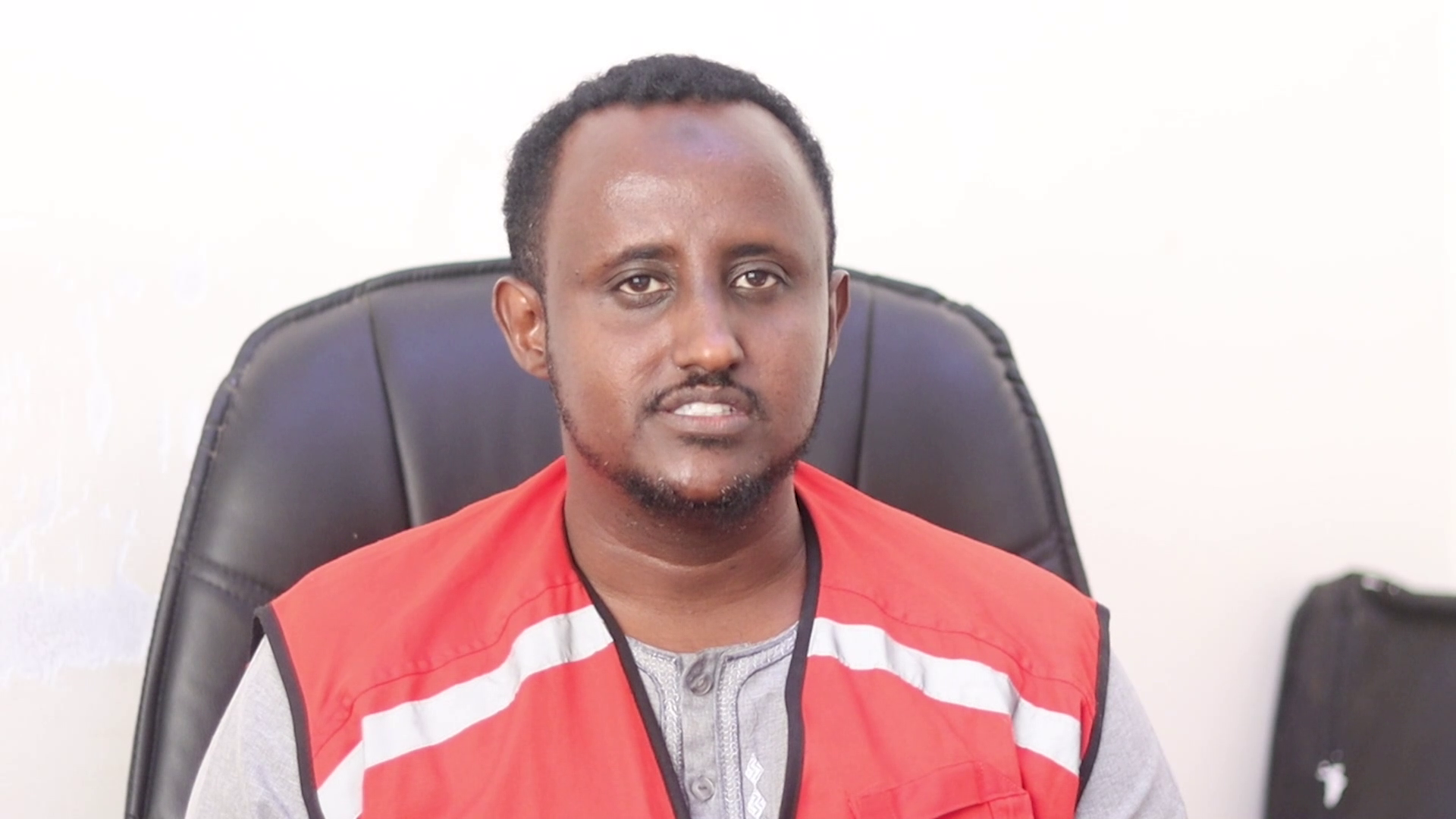
 Mandera county Kenya Red Cross Coordinator Mustafa Adan
speaking to the press in his office./STEPHEN ASTARIKO
Mandera county Kenya Red Cross Coordinator Mustafa Adan
speaking to the press in his office./STEPHEN ASTARIKO
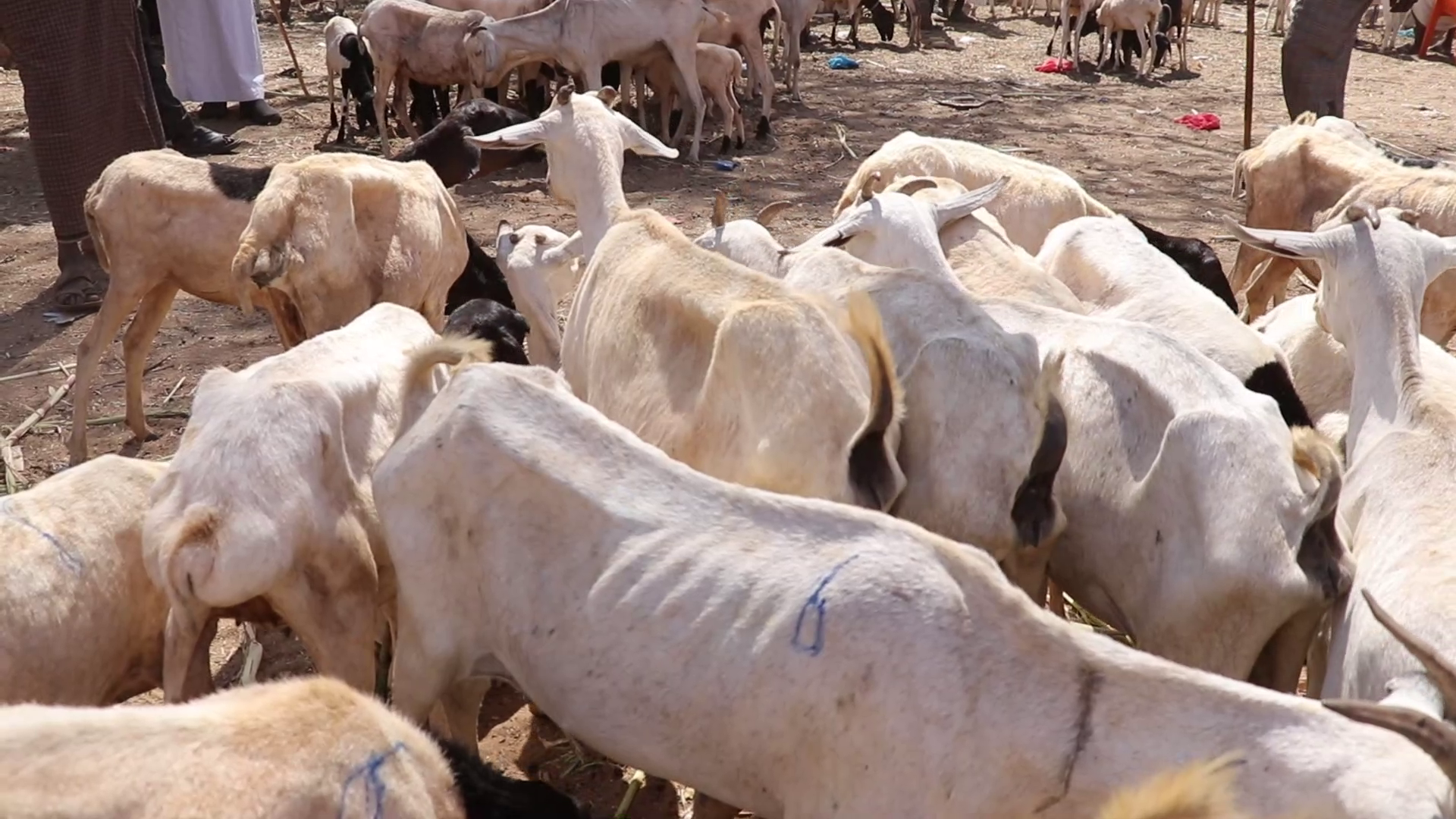 Traders sell their malnourished goats and
sheep at the Mandera livestock market./STEPHEN ASTARIKO
Traders sell their malnourished goats and
sheep at the Mandera livestock market./STEPHEN ASTARIKO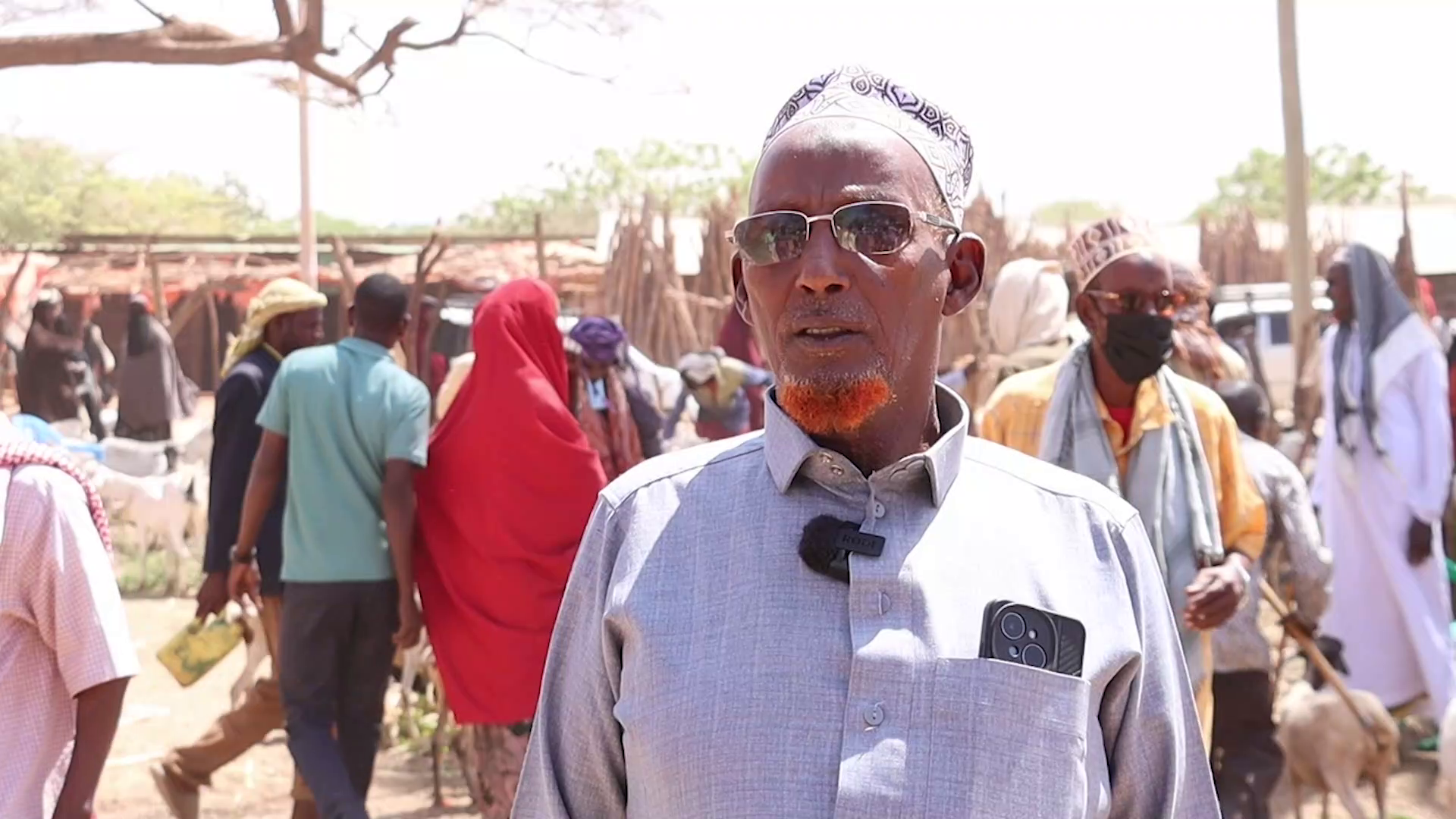 Abdullahi Mohammed, a livestock herder from Banisa, speaking
to the press./STEPHEN ASTARIKO
Abdullahi Mohammed, a livestock herder from Banisa, speaking
to the press./STEPHEN ASTARIKO
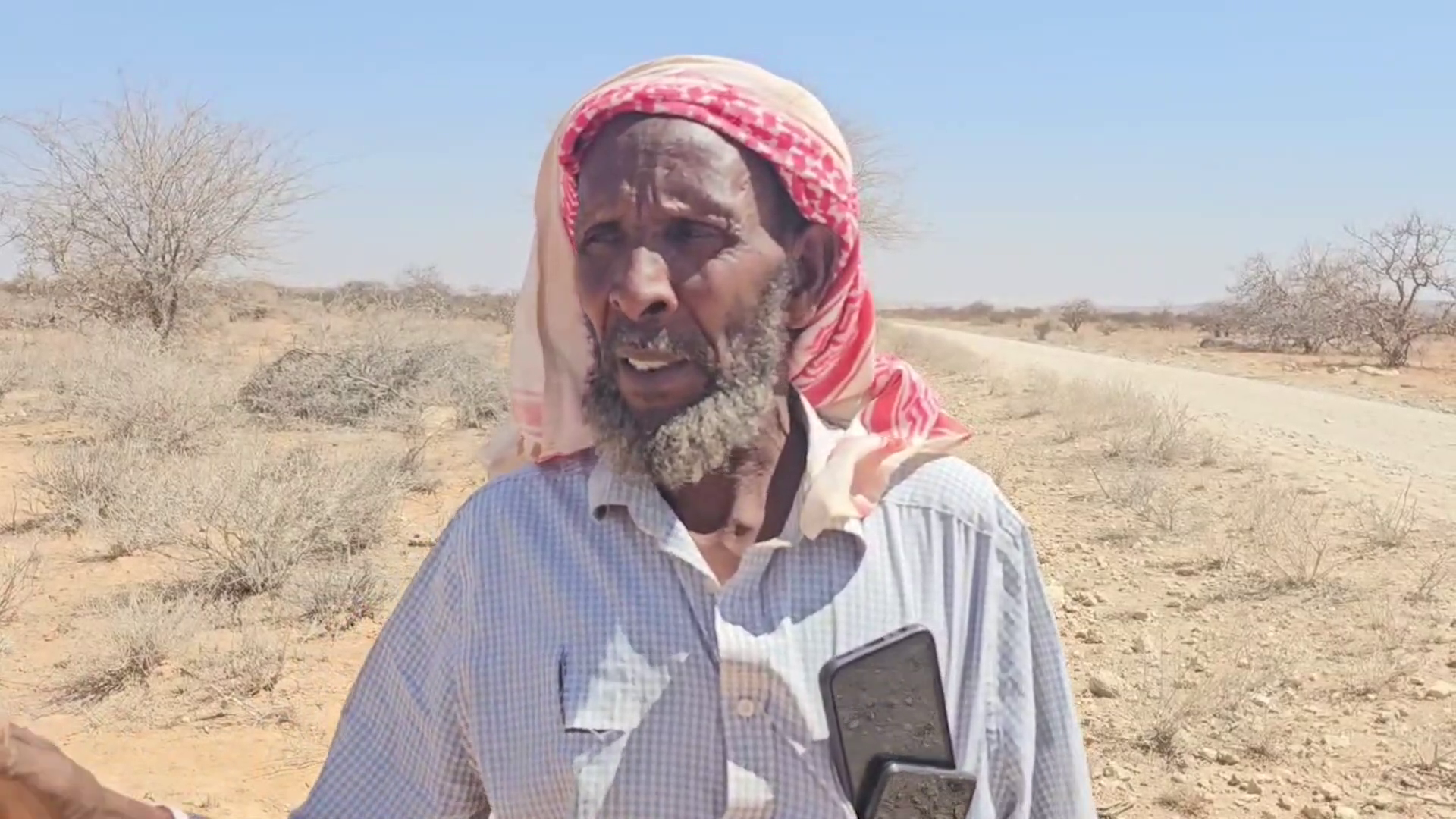 Livestock herder Ahmed Mohammed speaking to the press./STEPHEN ASTARIKO
Malnutrition cases are rising sharply in Mandera county as a prolonged drought tightens its grip on residents.
The situation has left thousands of families facing worsening food insecurity and collapsing livelihoods.
In the arid region, where livestock is the main source of income, the drought has had a devastating impact. Milk—an essential source of nutrition, especially for children under five—has become increasingly scarce, further deepening the crisis.
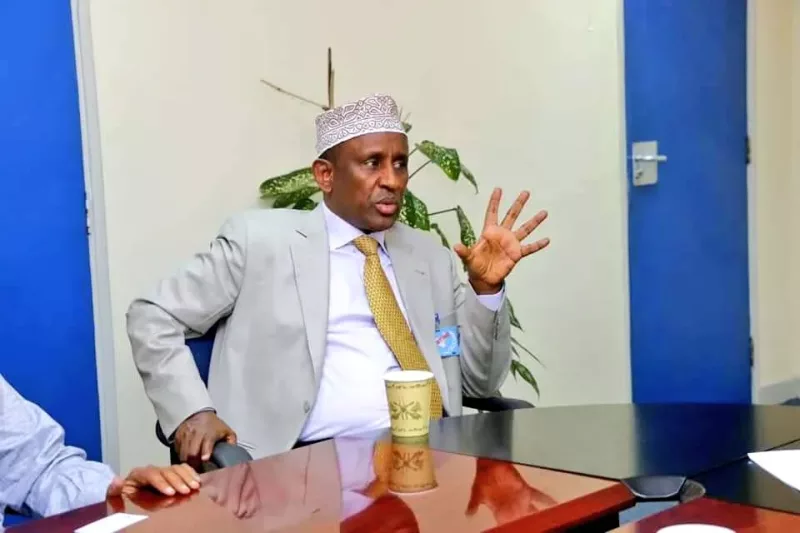
Mandera county Kenya Red Cross coordinator Mustafa Adan said the situation has deteriorated to the alarm stage, with an estimated 327,000 people affected.
“As we speak, about 67,000 households have been impacted. The drought has severely affected nutritional status, with malnutrition cases rising due to lack of milk and loss of livelihoods,” Adan said.
He expressed concern over severe water shortages, noting that residents are trekking long distances in search of water and pasture. He urged stakeholders to prioritise water access as a key intervention.
“Water scarcity is extremely high. People are walking long distances in search of water and pasture, and livestock deaths have already been reported. Since December 2025, the Kenya Red Cross has been supporting life-saving interventions, including water trucking to 24 centres and the provision of nutritional supplements,” he added.
A spot check at the Mandera Livestock Market on the outskirts of Mandera town revealed a grim reality, with herders desperately selling emaciated animals at throwaway prices before they die.
Abdullahi Mohammed, a herder from Banisa, said he travelled to the market with five goats, hoping to earn enough to support his family.
“On a good day, I would have earned at least Sh50,000 for the five goats,” he said. “Today, I am going home with just Sh10,000 after selling each goat at Sh2,000 because of their poor condition. The situation is extremely bad.”
He called on the national government to invest in long-term solutions to address the recurring drought, noting that about 80 per cent of residents depend on livestock production.
“Livestock is our lifeline. Even as we pray for rain, the government should invest in mitigation measures such as major dams to improve water storage,” he said.
Another herder, Ahmed Mohammed, said he had lost all his livestock to the drought and now survives by brokering sales at the market.
“All my animals died. I now help others sell theirs so I can earn something small to feed my family,” he said.
According to the National Drought Management Authority, the drought has affected an estimated 2.1 million people across arid and semi-arid land counties.
Speaking in Garissa last week during the flagging-off of water trucking and relief food assistance, NDMA director Haret Adan said the government is procuring livestock feed for distribution to affected counties.
The crisis follows three consecutive failed rainy seasons: the October–December 2024 short rains, the March–May 2025 long rains, and the October–December 2025 short rains. Persistently high temperatures have further accelerated the depletion of water and pasture.
As drought conditions continue to intensify, household livelihoods and coping mechanisms across the region remain under increasing strain.