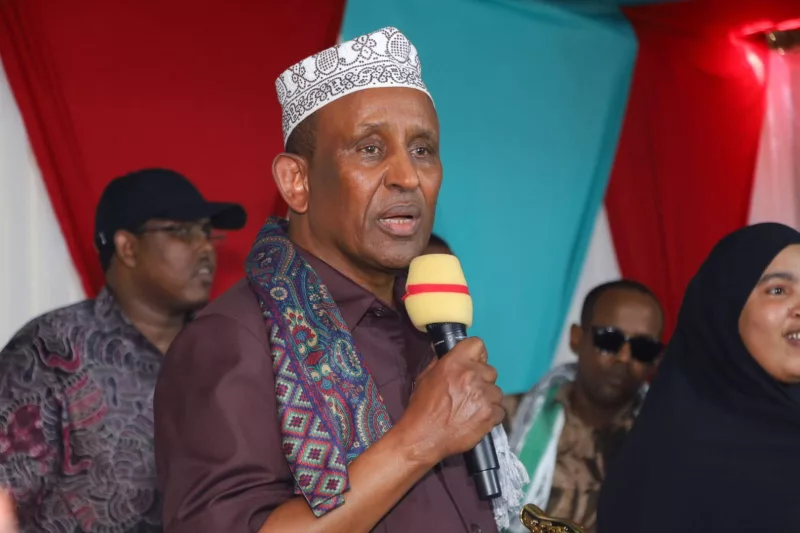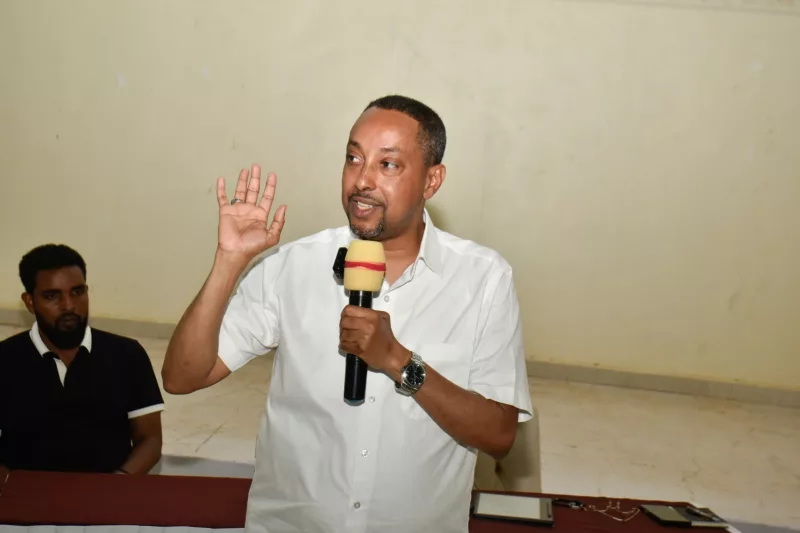
Differences have emerged within the Abduwaq clan in Garissa County following the endorsement of former Governor Ali Korane as the community’s preferred candidate for the 2027 gubernatorial election.
The Abduwaq, one of the county’s largest clans, comprises seven subclans: Rer Yahya, Rer Gulled, Rer Kassim, Rer Musa, Adhan Geri, Rer Mahat and Rer Harun.
In June last year, the Abduwaq council of elders, chaired by Sultan Dekow Sambul, endorsed Korane as the clan’s flag bearer for the next general election.
The decision effectively excluded other aspirants who had earlier expressed interest in the seat, among them former Principal Secretary Abdi Dubat and Water Resources Management Authority Chief Executive Officer Moulid Shurie.
Korane is from the Rer Yahya subclan, while Dubat and Shurie hail from Rer Kassim and Rer Gulled, respectively.
Following the endorsement, Dubat and Shurie publicly expressed reservations about the decision and continued to hold meetings and campaign-related activities for several months, although these have since reduced.
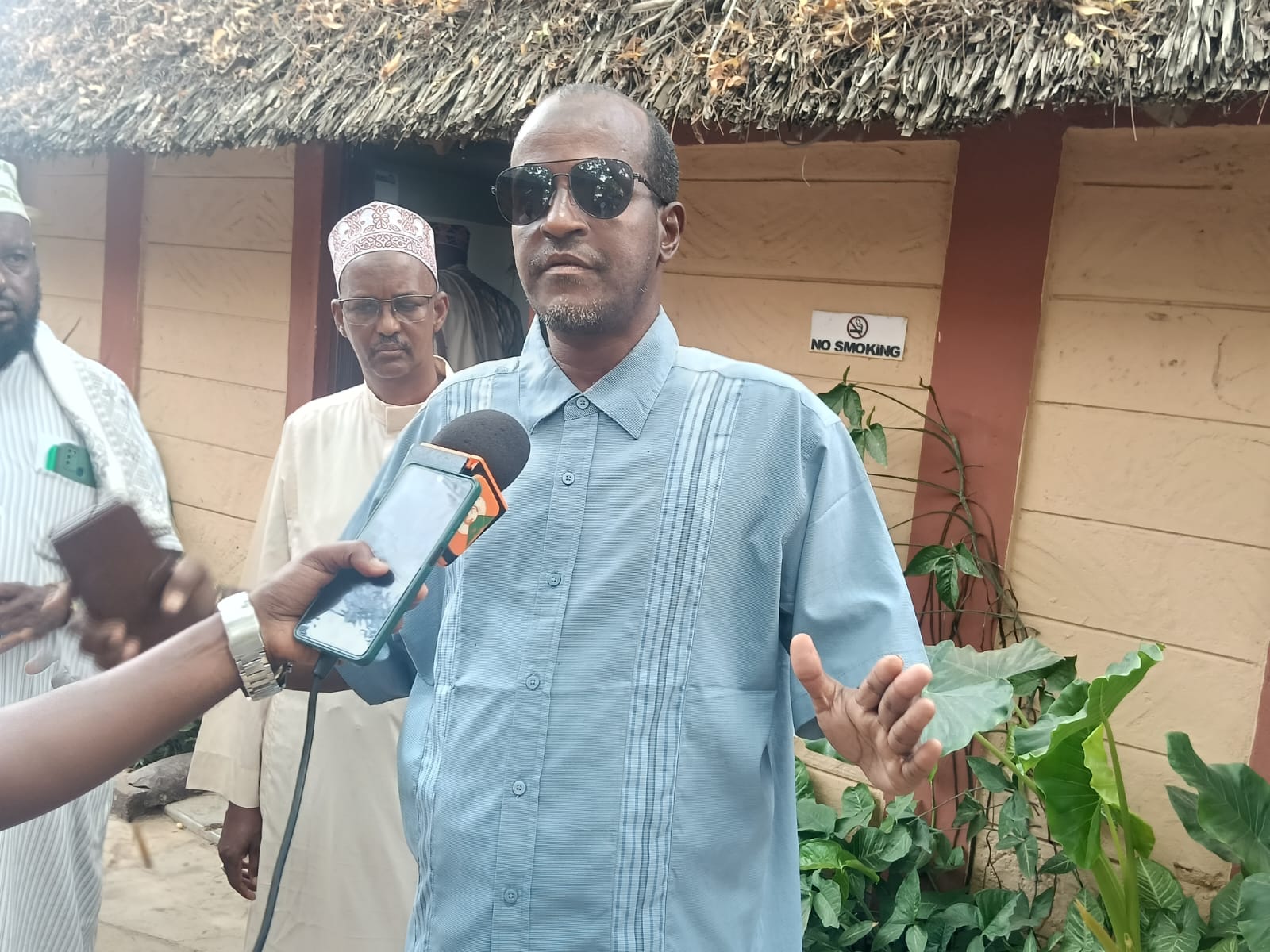
The differences became public on Tuesday when elders from the Rer Gulled subclan, also known as Adam Ali, stated that they had not endorsed Korane’s candidacy.
Speaking at a hotel in Garissa, the elders said some individuals from their subclan had joined Korane’s campaign without broader consultation or approval.
Led by the subclan’s chairman, Mohamed Abdi, the elders said they had expected the council of elders’ decision to be followed by consultations with the aspirants who were not selected, with the aim of promoting reconciliation and unity.
According to Abdi, this process did not take place.
Abdi emphasised that the Abduwaq clan remained united and called for inclusive dialogue, warning that unresolved differences could undermine the community’s political prospects in the 2027 election.
Another elder, Harun Mohamed, echoed the call for consultation, saying the Rer Gulled subclan was seeking respect and meaningful engagement in decisions affecting its political direction. He said unity could only be achieved through dialogue rather than pressure.
Harun also said that, in line with the principles of negotiated democracy, the subclan had expected the Abduwaq council of elders to identify a consensus candidate from among their members for the Garissa Township parliamentary seat, a decision he noted was yet to be made.
Politics in the Northeastern region is often influenced by clan and subclan dynamics, with communities traditionally rallying behind candidates selected through a negotiated democracy process. This approach typically involves consultations among elders, religious leaders and political actors, and is intended to promote cohesion and minimise conflict.
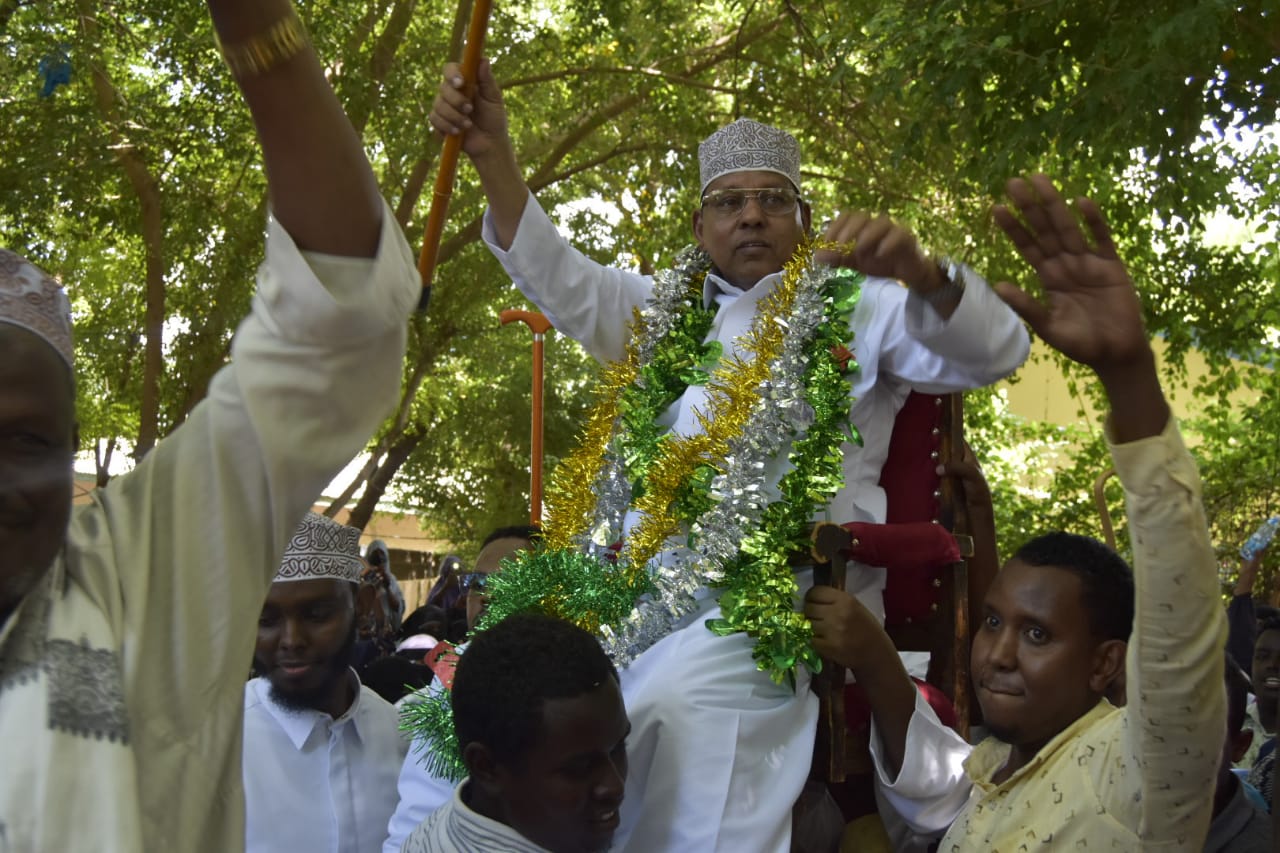
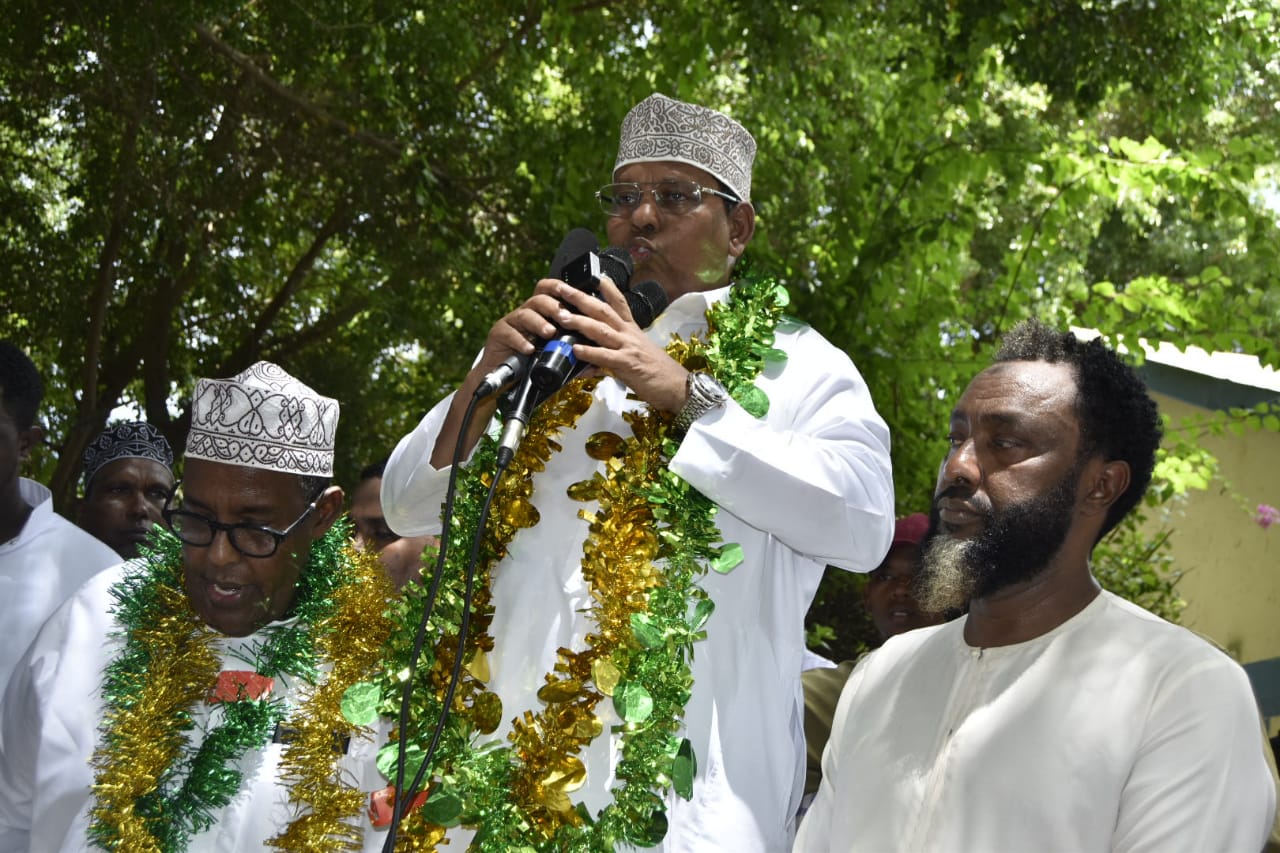
Earlier this month, Korane launched his bid to return to office through a series of public engagements in Garissa town. He has since held meetings with representatives and opinion leaders from more than 12 resident communities in the county and has said he intends to continue consultations with other groups as he tours additional subcounties.
Korane, who recently joined the United Democratic Alliance and received a life membership certificate, is expected to face competition from several aspirants who have declared interest in the seat. They include former Ijara MP Ibrahim Abaas, former Lagdera MP Mohamed Shidiye and Garissa Senator Abdul Haji.