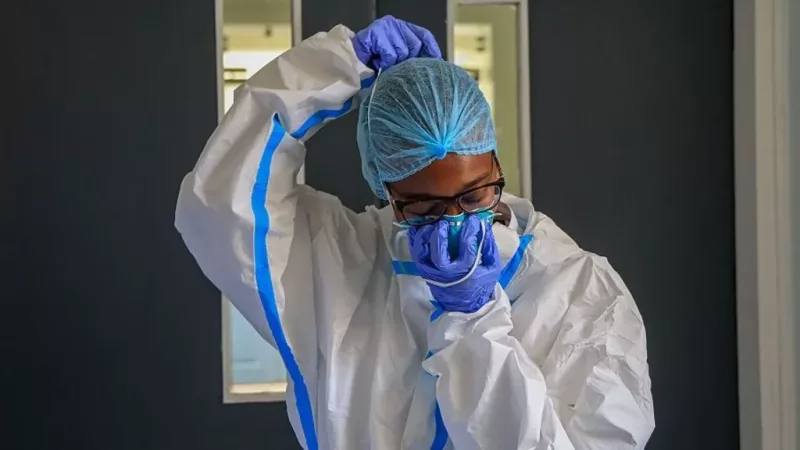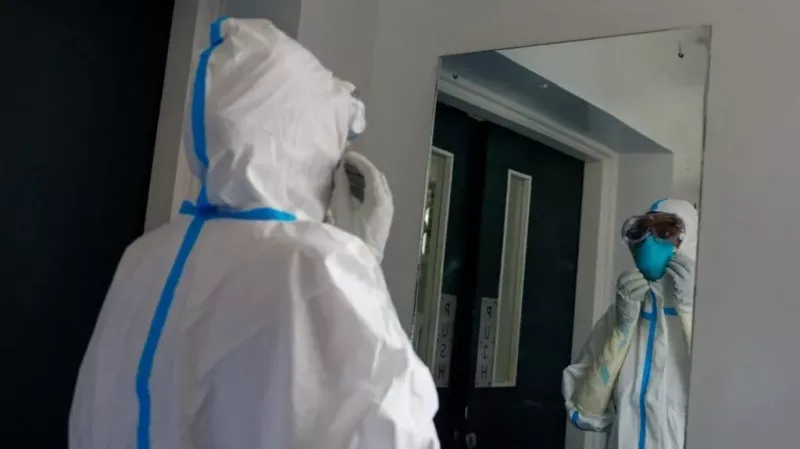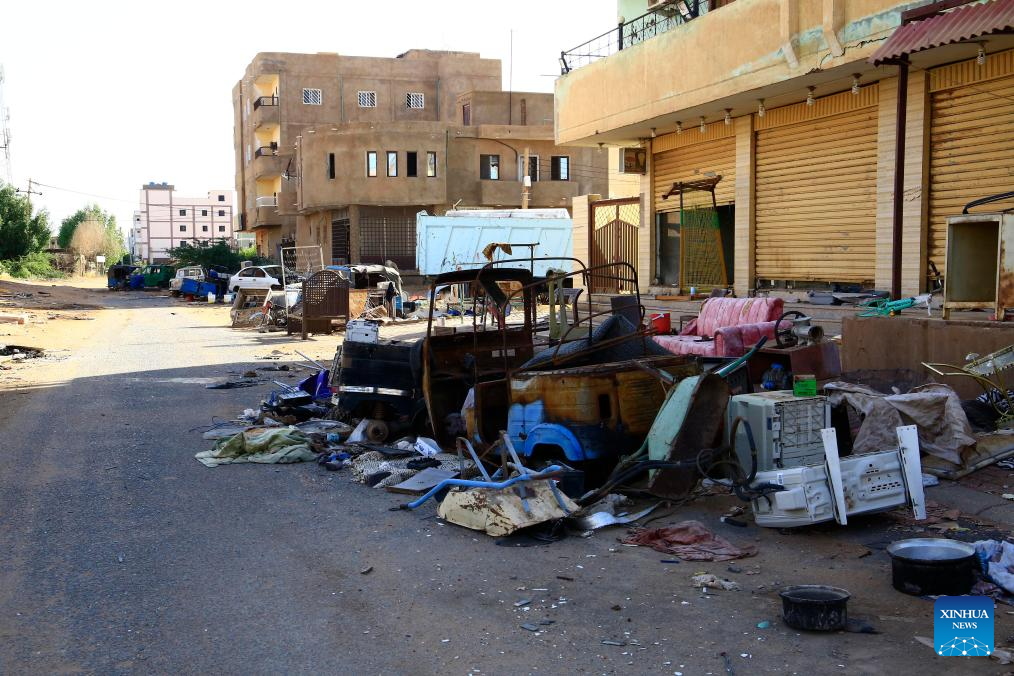
Sudan is facing an escalating health emergency as major hospitals and medical facilities in South Kordofan State shut down amid acute shortages of staff, medicines, and humanitarian supplies, raising fears of a complete collapse of the health system in the conflict-affected region.
In a statement on January 19, the Sudan Doctors Network warned that nearly half of medical facilities in Kadugli, the capital of South Kordofan, are no longer operational, at a time when the country is battling outbreaks of cholera and dengue fever.
“50 per cent of medical facilities in Kadugli are out of service, reflecting a dangerous deterioration in the health situation,” the network said, noting that facilities still open are operating at no more than half of their capacity due to severe constraints.
According to the network, three hospitals in Dilling, the second-largest city in South Kordofan, have permanently gone out of service.
Kadugli itself has five government hospitals, including a referral hospital, a teaching hospital, military and police hospitals, and a children’s hospital, in addition to about 10 government health centers.
However, only four medical centers are currently functioning, while six others have been forced to shut down due to shortages of supplies and lack of sustained monitoring and support.
Hospitals and clinics are grappling with critical shortages of essential materials such as gauze, cotton, intravenous fluids, and blood bags.
The situation has been compounded by the absence of medical staff, many of whom have gone unpaid for long periods or have fled due to security threats and repeated targeting of health facilities.
The Sudan Doctors Network also condemned what it described as “suffocating restrictions imposed on drug shipments,” warning that these barriers are preventing life-saving medicines from reaching patients who desperately need them.
Health experts have cautioned that the shutdown of facilities places tens of thousands of civilians at risk, particularly vulnerable groups such as children, pregnant women, and breastfeeding mothers.
The network warned of an “imminent humanitarian catastrophe” as malnutrition rates rise and international aid operations are disrupted by shelling and attacks on humanitarian teams.
International medical organisations have echoed these concerns. Javid Abdelmonem, head of Médecins Sans Frontières, said Sudan’s health crisis is being ignored globally due to funding shortages and lack of political attention.
“I will explain to the international community what I witnessed in Sudan… regarding the scale of the humanitarian and medical catastrophe amid the lack of international attention,” he told Sudan Tribune.
Abdelmonem stressed that Sudan remains a priority for MSF, warning that “the consequences for civilians and vital facilities are intensifying as medical services come to a halt.”
The World Health Organization has condemned repeated attacks on hospitals and health centers, calling for respect for international humanitarian law and protection of health workers.
The WHO warned that Sudan’s health system “has reached the brink of collapse” due to war, displacement, disease outbreaks, and chronic shortages of funding and medical supplies.
Local reports have also documented cholera and dengue outbreaks in Khartoum, underscoring the nationwide scale of Sudan’s deepening health crisis.