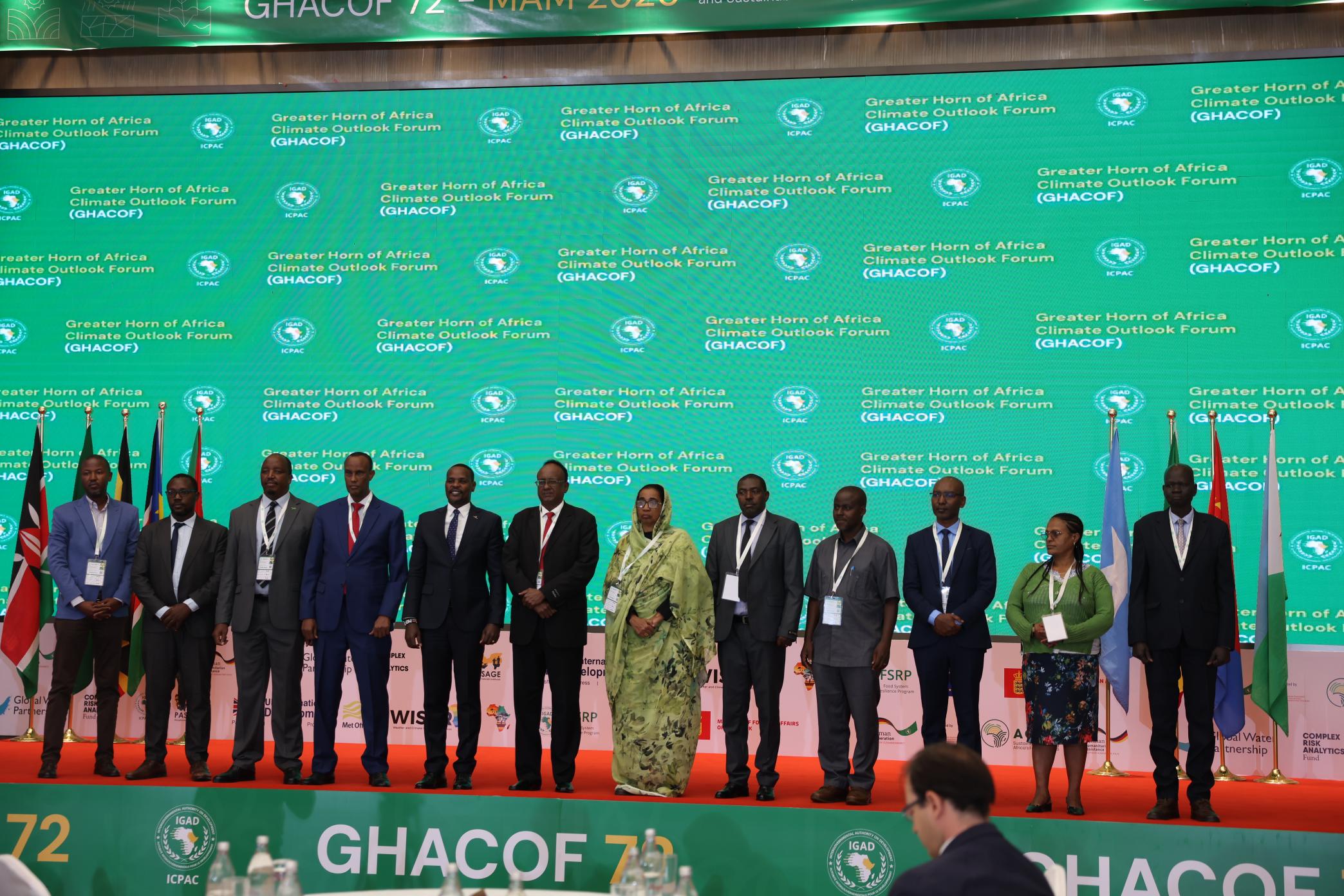
The Greater Horn of Africa remains highly vulnerable to climate variability and extreme weather events, the Intergovernmental Authority on Development (IGAD) Climate Prediction and Applications Centre (ICPAC) has warned, as the 72nd Greater Horn of Africa Climate Outlook Forum (GHACOF 72) officially opened in Nairobi on Monday.
Speaking during the opening session, Mohamed Abdi Ware, Deputy Executive Secretary of IGAD, who was represented by Abdi Fidar, Director of the IGAD Climate Prediction and Applications Centre, said recurrent droughts, floods and heat stress continue to pose serious socio-economic risks across the region, affecting food security, livelihoods, infrastructure and overall stability among IGAD member states.
“The Greater Horn of Africa remains one of the regions most vulnerable to climate variability and extremes,” Ware said.
He noted that the challenges highlight the importance of GHACOF as a regional platform for building consensus on climate risks and coordinating early action.
The forum brings together government officials, climate scientists, development partners and representatives of national meteorological and hydrological services to review seasonal climate outlooks and strengthen the delivery of climate services across the region.
ICPAC highlighted progress made through collaboration with national meteorological agencies, sectoral ministries, the World Meteorological Organization (WMO) and development partners in improving regional climate prediction and user-oriented climate services.
GHACOF, the deputy Executive Secretary said, remains central to translating climate information into actionable guidance for key sectors.
A key milestone cited during the forum was the launch of the IGAD Regional Framework for Climate Services (RFCS) in September last year at the Second Africa Climate Summit in Addis Ababa.
The framework is intended to provide a coordinated and user-centred approach to climate services across the region.
However, the ICPAC Director emphasized that effective implementation and sustained partnerships will determine its success.
“The true value of the RFCS will be realised through effective implementation, strong coordination, and sustained partnerships,” Ware said.
The forum was described as a timely opportunity to strengthen cross-border collaboration and ensure climate information supports disaster risk reduction, anticipatory action and climate-resilient development.
Participants were urged to translate discussions into concrete actions that enhance resilience and sustainable development across the Greater Horn of Africa.
GHACOF 72 also opened amid warnings that climate change and extreme weather events are intensifying drought conditions across Kenya and the wider region.
Speaking at the forum, Acting Director of the Kenya Meteorological Department (KMD) Edward Muriuki said climate-related hazards are no longer a future risk but an immediate threat.
“Climate change and extreme weather events are no longer a distant threat, but a clear and present danger in our region,” Muriuki said, stressing that timely and reliable climate information is essential for preparedness and response.
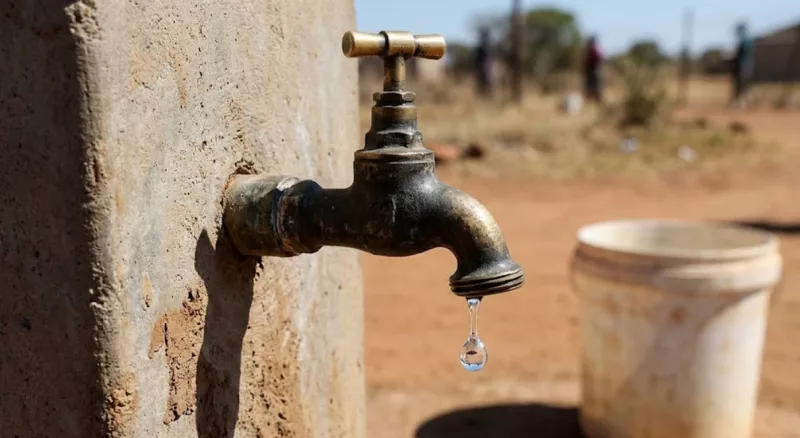
According to KMD, the October–November–December 2025 rainfall season recorded below-average rainfall across most parts of the country, with particularly poor distribution in arid and semi-arid lands.
Post-season analysis showed the rainfall performance worsened drought conditions in several counties.
Data from the National Drought Management Authority indicated that as of December 2025, drought conditions had deteriorated, with Mandera County remaining in the alarm phase, while nine ASAL counties slipped into the alert phase.
“This information paints a dire picture of food, water and pasture security in the country,” the Director said.
Despite the challenges, KMD noted that climate forecasting accuracy has improved, with outlooks increasingly used by national and county governments for planning and decision-making.
The department reaffirmed its commitment to delivering weather and climate information to grassroots levels through county meteorological offices.
Muriuki emphasised that partnerships remain critical in strengthening climate services and supporting effective responses to climate-related risks.
“Through continued collaboration, innovation and dedication, we can achieve a sustainable and resilient future for our region,” he said.
Environment and Climate Change Principal Secretary Festus Ng’eno, who officially opened the forum, said strengthening climate services and early warning systems is no longer optional but essential.
“Climate change is already shaping our development pathways, and strengthening climate services and early warning systems is no longer optional it is essential,” Ng’eno said, adding that Kenya remains committed to working with IGAD member states, regional institutions and international partners to translate climate information into actionable insights that protect lives, livelihoods and development gains.
GHACOF 72 is expected to guide regional climate preparedness and decision-making across the Greater Horn of Africa in the coming seasons.