Smartphone cameras have become powerful tools for everyday photography yet many users still struggle to get sharp and clean photos.
The problem is rarely the phone since it is usually the technique and with a few simple habits and small adjustments, anyone can dramatically improve their photo quality, even at night.
Modern smartphones rely on advanced software and multi frame processing to create bright and detailed images.
When light is low, the camera collects several frames over a short period and blends them into one image.
This process increases brightness and reduces noise but also makes stability essential.
Any movement during this short exposure can introduce blur, softness or ghosting.
Why stability matters most
The first rule of sharp smartphone photography is steadiness.
Before touching any settings, users should focus on keeping their phone as still as possible.
Leaning elbows on a wall, table or railing helps reduce hand shake.
Consequently, bracing the phone against a solid object such as a pole or window frame also works.
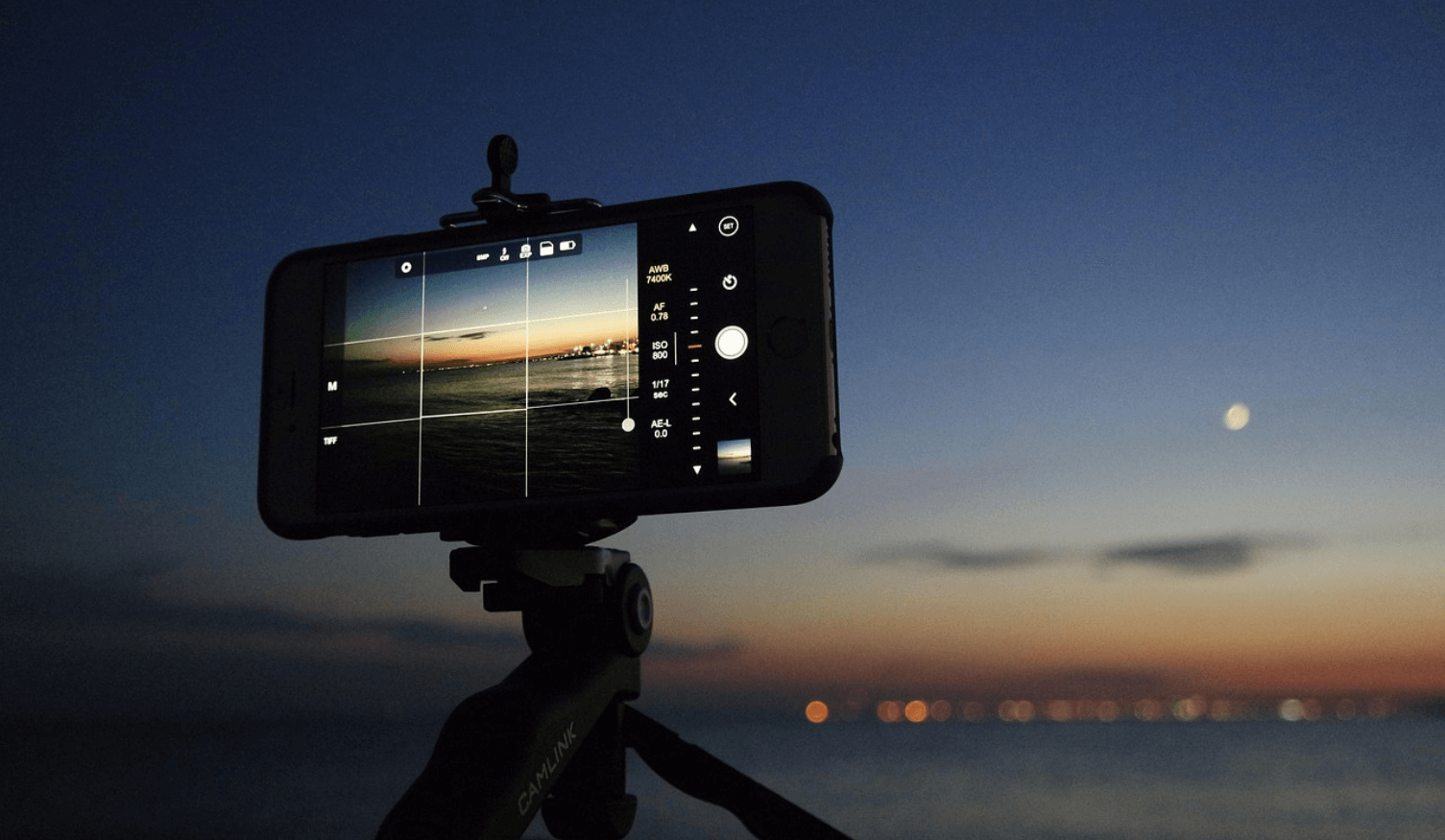
When available, a small tripod or clamp can make a dramatic difference.
Using the timer function, usually set at three seconds, further prevents blur caused by tapping the shutter.
These simple steps allow the camera to capture cleaner frames, especially in dim lighting.
Stability ensures the phone’s software can combine images correctly, delivering sharper results.
Using night mode the right way
Most smartphones automatically activate night or low light modes when needed.
On Samsung and even iPhones, this appears as a small moon icon.
This feature allows the camera to capture more light by extending the exposure time and users can tap the icon and adjust how long the camera gathers light.
Shorter times reduce blur when shooting handheld and longer times work best when the phone is firmly supported.
Finding the right balance is key because while brighter photos are appealing, sharp images matter more and a slightly darker but crisp photo often looks better than a bright but blurry one.
Focus and exposure control
Focusing correctly is another essential step and by tapping the screen on the main subject ensures clarity.
Once focused, slightly lowering exposure using the on screen brightness slider helps preserve details in bright areas such as street lamps, signs and headlights.
This simple adjustment prevents blown out highlights and creates more balanced images.
It also adds a cinematic quality that makes night photos look more professional and natural.
Why digital zoom should be avoided
Digital zoom is one of the biggest enemies of sharp smartphone photography, especially in low light.
Zooming in digitally enlarges noise and reduces detail.
Therefore, instead of pinching to zoom, photographers should step closer to their subject.
If a phone has multiple lenses, switching to the one best suited for low light usually produces better results.
Optical lenses maintain image quality, while digital zoom sacrifices sharpness.
Portrait mode and flash: Use with care
Portrait mode can create striking images at night, but it must be used carefully.
In low light, the software sometimes struggles to separate the subject from the background and this can lead to strange edges around hair and clothing.
When this happens, switching back to regular photo mode with night mode enabled often produces a cleaner and more natural result.
Flash is another tool that must be handled thoughtfully.
While it can help illuminate close subjects, it often creates harsh shadows and dark backgrounds.
If used, stepping back slightly allows the flash to spread more evenly, creating softer light and more balanced images.
Creative night photography ideas
Simple creative choices can instantly improve night photography.
Neon signs and bright storefronts offer vibrant colours and strong contrast.
Reflections in puddles, car windows or wet streets add depth and visual interest.
On the other hand, silhouettes work well when a subject is placed in front of a bright background.
Motion effects, such as light trails from passing cars, add energy when the main subject stays still.
Window light portraits also create soft and flattering results, especially when the subject faces the light at a slight angle.
Adding light for better results
One of the most effective professional tricks is adding light rather than increasing brightness in editing.
Standing near a shop window, a reflective wall or a bright surface instantly improves image quality.
A friend’s phone screen set to a white display at low brightness can serve as a soft light source.
Small LED lights also help shape and direct light, making subjects stand out from dark backgrounds.
Photographing people naturally at night
Photographing people at night requires a relaxed and natural approach since stiff poses often look artificial in low light.
Encouraging subjects to move, laugh or interact creates authentic expressions.
Shooting in short bursts increases the chance of capturing sharp and lively moments.
Natural movement paired with steady framing leads to dynamic images that feel real and spontaneous.
Simple gear that makes a difference
Clean lenses play a bigger role than many realise.
Smudges, fingerprints and dust cause hazy light streaks and glowing halos around bright areas.
A quick wipe with a soft cloth before shooting can significantly improve clarity and equipment can also help, but it does not need to be expensive.
Compact tripods provide stability and allow longer exposures while simple phone clamps and grips improve handling.
Small LED lights create controlled illumination.
The power of good technique
The rise of smartphone photography has transformed how people document daily life.
From nightlife and travel scenes to street portraits and cityscapes, phones now capture moments once reserved for professional cameras.
Sharp, clean and not blurry photos are not about owning the newest device.
They come from understanding light, controlling movement and making thoughtful choices.
Stability, proper exposure, careful focus and creative lighting form the foundation of strong smartphone photography.
As smartphone cameras continue to advance, expectations rise yet the fundamentals remain unchanged.
Steady hands, smart lighting and simple adjustments still define success.
For anyone frustrated by blurry night photos, the solution is not complicated since it starts with slowing down, observing the scene and letting the camera do its work.