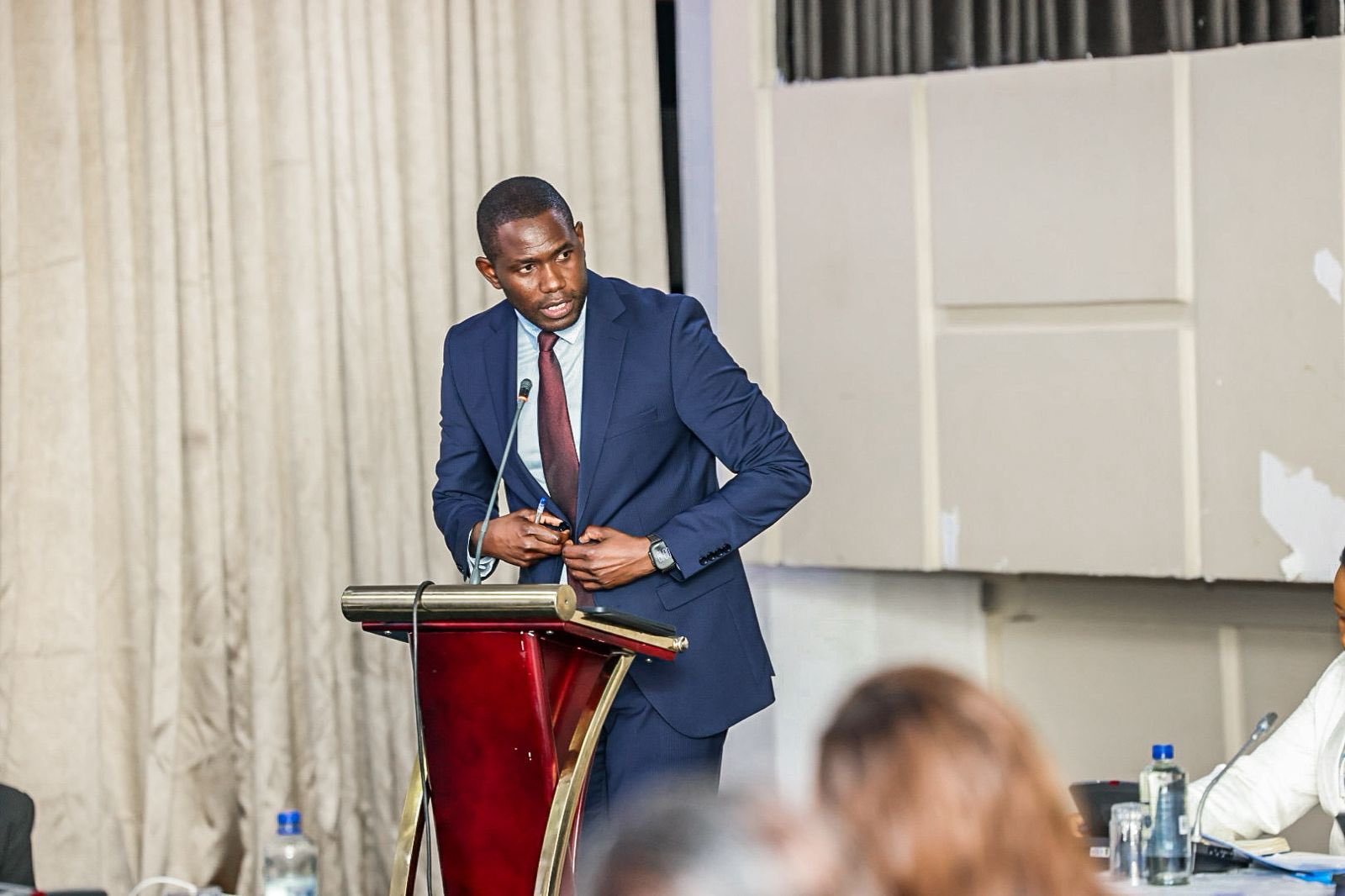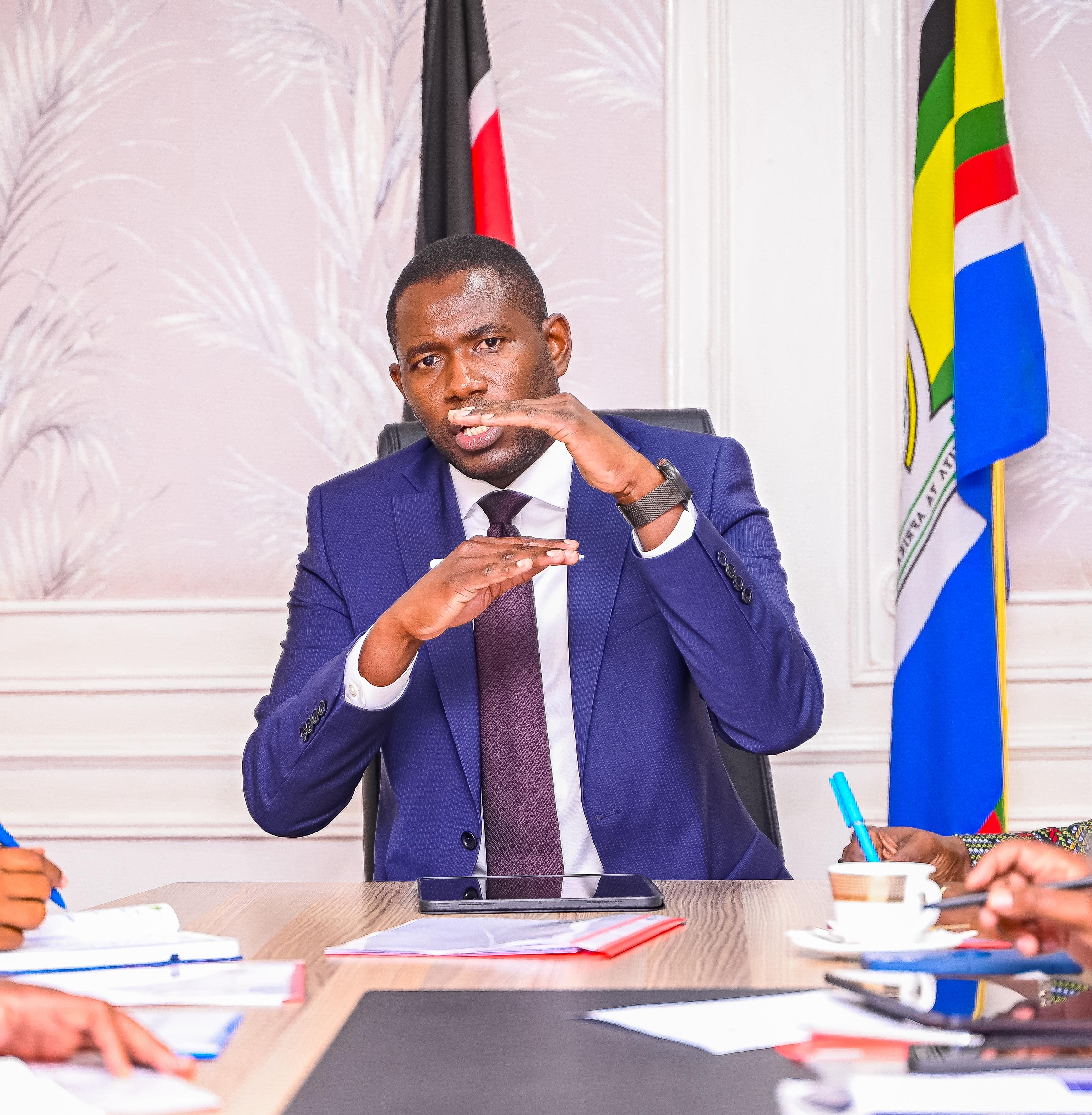
Sweeping reforms in financing, service delivery and administration are beginning to stabilise Kenya’s health sector, Medical Services PS Ouma Oluga has said.
Speaking in an interview with the Star, he identified the mobilisation of $1.6 billion (Sh1.6 trillion) from the US government as one of his biggest achievements, calling it a major breakthrough in health financing.
The achievements are beginning to take hold about eight months after he assumed office.
Oluga also said the Ministry of Health has resolved long-standing vaccination challenges that had, for years, disrupted routine immunisation.
Administrative reforms have also brought order to a ministry that was previously characterised by confusion and weak coordination, he said. Excerpts.
What has been your biggest achievement so far?
I would divide it into three areas. From a resource perspective, the biggest achievement is the mobilisation of funding from the United States government. $1.6 billion is huge and significant because we have many programmes we want to implement and health financing is a critical issue. How we resource health systems matters greatly and securing that level of funding is a major achievement. From a service delivery perspective, one of the most important achievements has been resolving vaccination challenges. For many years, vaccination has faced persistent problems. In my entire 15 years working in the health sector before becoming principal secretary, every year there was some form of disruption—shortages, missed vaccinations or children left out.
When I joined in April, children had missed vaccinations for three months. More than 80,000 children in remote areas of Kenya were not accessing vaccines. Within two months, we addressed this fully. Today, that issue is behind us. In fact, the country has almost forgotten that such a problem existed and that is significant to me.
We have also stabilised issues around SHA. This has been a major service delivery milestone. When I joined, only 12 million Kenyans were registered. Today, we are at 28.7 million. In just eight months, more than 14 million Kenyans have joined. That growth reflects trust and credibility, but also the groundwork we have laid to resolve systemic issues.
From a public administration perspective, we have brought efficiency and discipline to the department. The Ministry of Health is now operating in an orderly, structured and accountable manner, in the best interest of Kenyans. Previously, there was a lot of chaos. Today, there is order. Staff know their roles, parastatals understand reporting lines, and partners and development organisations know how to engage with us. Communication channels are clear and responsive.
What is the progress of implementation of health cooperation with the United States?
The President has said Kenya is looking forward, and that means working with many friends. We are grateful for the long-standing partnership with the United States government, which remains Kenya’s largest bilateral health partner.
We are currently addressing some in-country issues, including ongoing court cases, which we are confident will soon be resolved. Notwithstanding these challenges, we want to assure the public that the cooperation framework is the best Kenya has ever negotiated.
Beyond political leadership, professionals like us stand by the integrity of the document. I have put my professional reputation on the line. Anyone who reads the framework and finds errors can hold me accountable. Kenya is the only country that has made its agreements with the US government public. That demonstrates transparency and confidence. Internationally, I am known as a health professional. I cannot negotiate an agreement that undermines my reputation.
Beyond the US, we are strengthening partnerships globally. In July last year, we were in the UK with the President, where I organised engagement with 38 institutions, including 13 universities. Our goal is to strengthen healthcare capacity, particularly the health workforce. Kenya has 11 medical schools, but only two offer comprehensive postgraduate training. We still lack public universities offering specialist training in areas such as cardiology. To expand opportunities for doctors and nurses, international partnerships are essential.
On cooperation with China?
Similarly, our cooperation with China is progressing well. Two weeks ago, we sent a team for training in health infrastructure development. This follows an agreement between President William Ruto and President Xi Jinping to construct five hospitals in Murang’a, Kilifi, Baringo, Bungoma and Kericho counties. Documentation for Baringo and Kericho has already been completed, and construction is about to begin. We are working with all partners to mobilise resources and build a sustainable, future-oriented healthcare system.
In 2020, due to issues at Kemsa and the so-called “Covid millionaires,” the US government suspended support. This year, we successfully restored that partnership. That restoration reflects the credibility of the reforms we have implemented.
What should Kenyans expect from the State Department of Medical Services in 2026?
This will be a transformative year. By June, we aim to register 85 per cent of Kenyans under SHA—about 45 million people. This marks the maturity of the UHC system.
Hospital reform will be a major focus. We have constituted a national reform team and begun with referral hospitals, in collaboration with the Council of Governors. The objective is clinical excellence, improved patient experience, and better health outcomes, including reductions in maternal and neonatal mortality.
We are rolling out a “Right Care Programme” to ensure patients receive the right service at the right time. Hospitals will be required to publicly list services they provide, which will be verified digitally. Transparency will prevent exploitation.
Medicines availability is another priority. Kemsa reforms have resulted in 95 per cent availability of essential commodities. Our next step is strengthening last-mile delivery to ensure prescribed medicines reach patients.
We are also prioritising health workers’ welfare and regulation. Through digitisation and the Practice 360 system, we are introducing simulation-based training to ensure competence and integrity in licensing and professional development.
How do you balance your current role with your background as a unionist?
I have never missed any office I have left. I ensure I give everything to each role. I have served as a student leader, union official, international health worker representative and now in public service. During my time in the union, we achieved historic salary reforms, making Kenyan doctors among the highest paid in Africa. This was not about income alone, but retention—ensuring doctors remain in underserved regions such as Turkana and Wajir. My driving purpose has always been public service, particularly for the most vulnerable Kenyans. If a system works for the most vulnerable, it works for everyone.
What is the most challenging aspect of your job?
The biggest challenge is aligning a highly fragmented sector. While most hospitals, NGOs, and health workers are ethical, a minority undermine the system. Bringing order, accountability and discipline remains the greatest challenge but remains the most important assignment for us at the ministry.
On the strong working relationship with the Cabinet secretary?
Discipline, clarity, and decisiveness. The Cabinet secretary is an accomplished leader who values closure, clarity, and accountability. He is decisive, consultative and able to translate technical issues into policy. This alignment has been critical to our success.
On charity and political ambitions
My focus has always been impact, not publicity. We have conducted large-scale cash transfer programmes, paid NHIF premiums for vulnerable households, and supported persons living with disabilities through targeted interventions such as customised wheelchairs. These efforts will expand through structured social impact programmes. Our goal is always to reach the right people through proper assessment, not mass distribution. I remain committed to public service and ensuring that universal health coverage truly reaches every Kenyan.