The Kenya Human Rights Commission (KHRC) has expressed concern over the Uganda Communications Commission’s (UCC) decision to suspend public internet access and restrict some mobile services ahead of Uganda’s general elections.
KHRC noted that the move comes amid reports of intimidation, arrests, and the suspension of permits for five non-governmental organisations, as the country prepares to vote on Thursday, January 15, 2026.
“This decision comes at a tense moment, with credible reports of intimidation, arrests, violence, and the suspension of NGO permits,” KHRC said in a statement.
“KHRC warns that cutting off the internet may exacerbate the situation.”
The commission urged the UCC to reconsider its decision.
Should the shutdown continue, KHRC advised Ugandan citizens to carefully document any incidents of electoral malpractice or security agency misconduct and, when appropriate, share the information with independent human rights organisations.
Observers and rights advocates have raised concerns over the trend of internet restrictions during elections in parts of the region.
While such measures are often justified on security grounds, critics argue they can limit freedom of expression and access to information.
Ugandan opposition presidential candidate Robert Kyagulanyi, widely known as Bobi Wine, criticised the government’s decision to impose a temporary nationwide internet shutdown.
He described it as undermining democratic processes and citizens’ freedoms.
The shutdown, ordered by the UCC, took effect on Tuesday, January 13, 2026, at 6:00 pm and will remain in force until further notice.
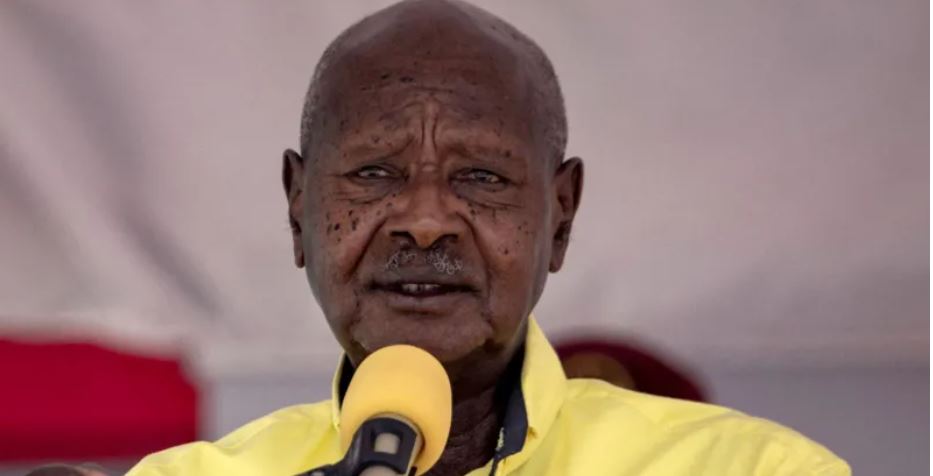
Wine, 43, is set to contest the elections against long-serving President Yoweri Museveni, 81, who has been in power since 1986.
In a social media post, Kyagulanyi expressed concern over the timing of the shutdown, framing it as a challenge to transparency during the electoral process.
Public reaction in Uganda has been mixed. Some citizens view the shutdown as a restriction of rights, while others see it as a precautionary measure to safeguard the electoral process.
In its statement, the UCC said the shutdown followed a recommendation from the Inter-Agency Security Committee, citing the need to curb the rapid spread of online misinformation and other election-related risks.