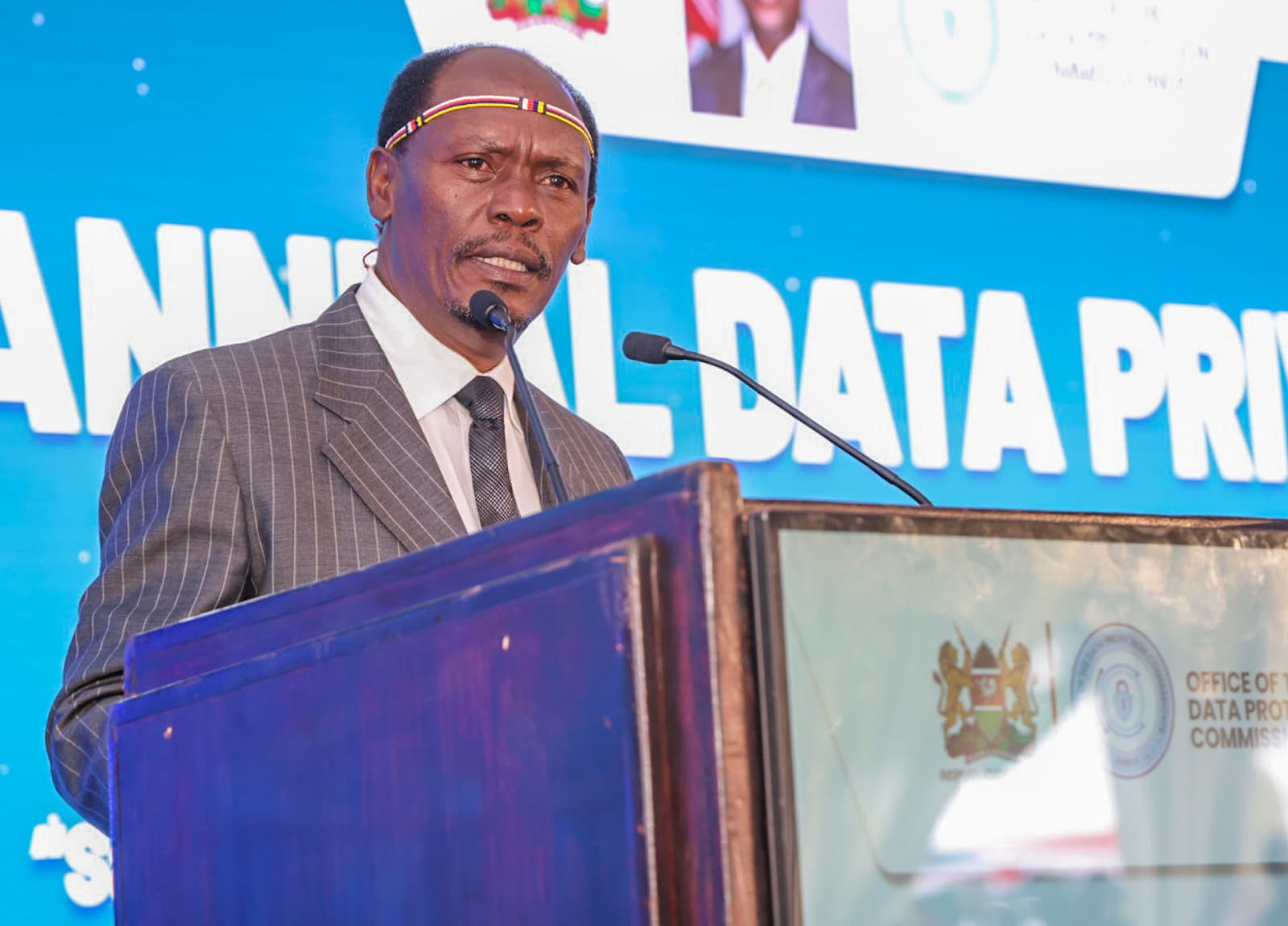
Cabinet Secretary for Information, Communications and the Digital Economy William Kabogo has reiterated that the digital system used in the recent Grade 10 school placement exercise was fair, transparent and free from regional or ethnic bias, amid growing public debate over the outcome.
Kabogo said the placement process was anchored on automation and data-driven equity, with technology deliberately employed to eliminate human interference.
“Governance in the digital age is rooted in transparency and data-driven equity,” Kabogo said, adding that the system was “secure” and designed to ensure that every learner gets a fair shot at our top institutions.
He dismissed claims that some regions or communities were disadvantaged, warning that such assertions risked undermining national unity.
According to Kabogo, the digital framework underpinning the placement exercise does not factor in geography.
“Our digital systems don't recognise ‘regions’; they recognise merit and choice,” he said.
“Peddling narratives of exclusion only serves to undermine our national unity.”
Kabogo spoke against the backdrop of criticism from some parents and political leaders who questioned whether learners were fairly distributed across national and extra-county schools.
However, he maintained that the automated system applies the same criteria to all candidates, ensuring equal treatment based on performance and school preferences.
The Cabinet Secretary reaffirmed the government’s commitment to leveraging technology to enhance fairness in public service delivery, particularly within the education sector.
“We remain committed to an inclusive Kenya where opportunity is accessible to all, not just a few,” he said.
The remarks followed allegations by former Deputy President Rigathi Gachagua, now leader of the Democracy for the Citizens Party (DCP), who claimed that learners from the Mt Kenya region were being unfairly disadvantaged.
Gachagua alleged that some high-performing students from the region had been placed in distant and lower-quality schools, while learners from other areas were admitted to top institutions.
“Around here, our children have been placed in small schools, yet their marks are high, while other people have been brought to our schools,” Gachagua said.
President William Ruto later addressed the issue during the Nyota Business Start-Up Capital Disbursement event in Uasin Gishu, urging leaders to refrain from politicising education matters ahead of the 2027 General Election.
He described attempts to drag school placement into political contests as harmful.
“How desperate can people be? Let our children be, let our children learn. Those children are Kenyans, wherever they come from, whatever community they belong to, they are our children — the children of Kenya,” the President said.
Education officials have maintained that the placement process is based strictly on learners’ performance in the Kenya Junior School Education Assessment (KJSEA) and their selected school choices, not on ethnicity or region.