
The year 2025 will be remembered as a period of profound transition for the Kenyan media industry. Within twelve months, the sector lost several veterans who defined the golden age of broadcasting and print.
From iconic radio voices to bold columnists, the departures have left a significant gap in the country’s cultural fabric.
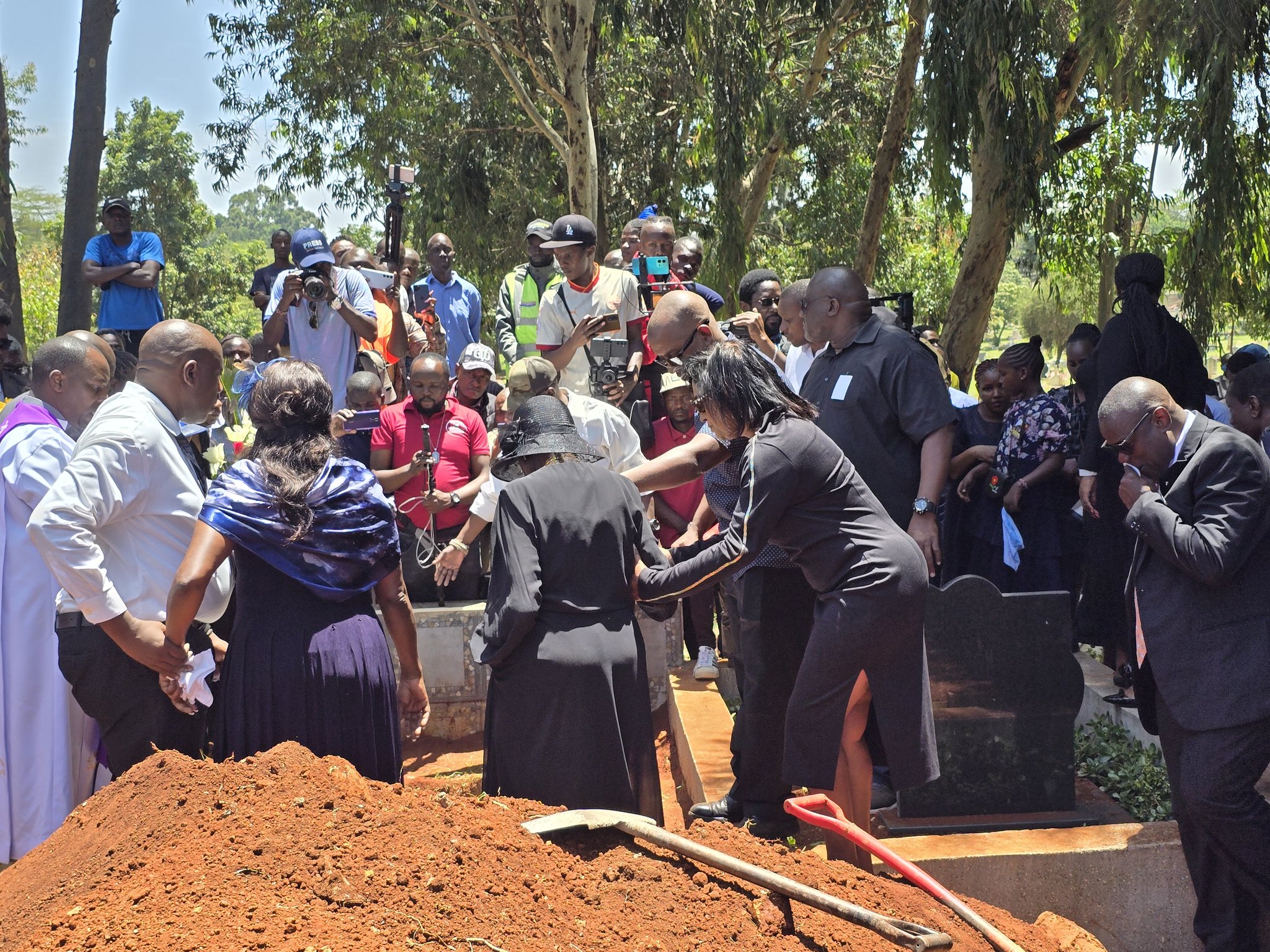
The Loss of the Pioneers
The year began with the loss of Rasna Warah in January. She was 63 years old. Warah was a widely respected columnist known for her uncompromising stance on human rights and social justice.
Shortly after, in February, the nation lost Leonard Mambo Mbotela. He was 85 years old.
Mbotela was a member of the National Heroes Council and had a career spanning nearly sixty years. He was best known for his distinctive voice on the long-running programme Je, Huu Ni Ungwana?
He passed away due to complications from pneumonia.

The Mid-Year Toll
The middle of the year brought more tragic news. In March, dynamic sports journalist Nick Mudimba died after collapsing at his home. He had worked for KTN, Switch TV, and CGTN Africa.
In April, radio personality Edward Kwach passed away at the age of 52. Kwach was a popular figure on stations like Capital FM and Spice FM. He died while receiving treatment for meningitis.
ALSO READ: Remembering the Media Personalities Kenya Lost in 2025
By August, the industry mourned Charles Omuga Kabisae. He was a prominent figure in the 1990s, famous for reading obituaries on KBC’s Kiswahili Service.
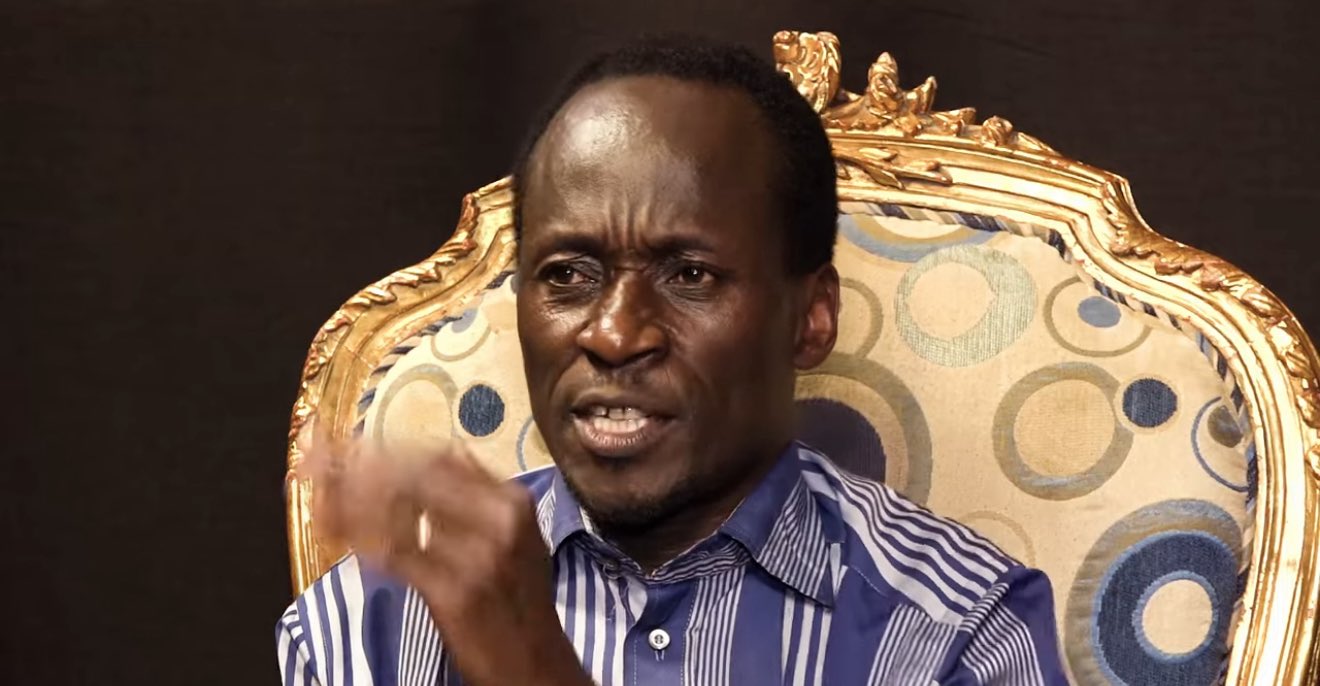
In October, Sammy Lui died at his home in Nakuru. Lui was a veteran broadcaster who transitioned into the Director of State Events, serving as a master of ceremonies for several former presidents.
Voices from the Golden Age
In late 2025, the industry lost George Githii, a towering figure in Kenyan journalism. He died in November at the age of 89. December saw the passing of Amina Fakii, a veteran KBC radio presenter, at the age of 83.
The state broadcaster, KBC, also lost Festus Amimo in December. He was the head of the Dholuo station, Mayienga FM.
Amimo collapsed at a hotel in Nairobi after hosting the morning show Gari Mokinyi for over 15 years.

On Christmas eve, Rashid Idi, a senior videographer at the Standard Group passed away after a brief illness, his family confirmed. Idi died while undergoing treatment at a hospital in Nairobi.
According to colleagues, Idi had complained of not feeling well earlier in the day. His wife advised him to seek medical attention, but he reportedly chose to self-medicate.
To understand the weight of these losses, one must look at the history of Kenyan media.The Kenya Broadcasting Corporation (KBC), where many of these icons started, was originally the Voice of Kenya (VOK).
It served as the primary training ground for journalists after independence in 1963.
The 1990s, when figures like Njoroge Mwaura and Charles Omuga Kabisae were at their peak, marked the liberalisation of the airwaves. KTN, where Mwaura anchored, was the first privately owned TV station in Kenya.
This era transformed how Kenyans consumed news, moving from state-controlled narratives to more diverse perspectives. The loss of these individuals represents the passing of the generation that built the modern Kenyan press.
The year 2025 stands as a stark reminder of the passing of time. While these legends have exited the stage, their work remains a blueprint for the next generation of African storytellers.