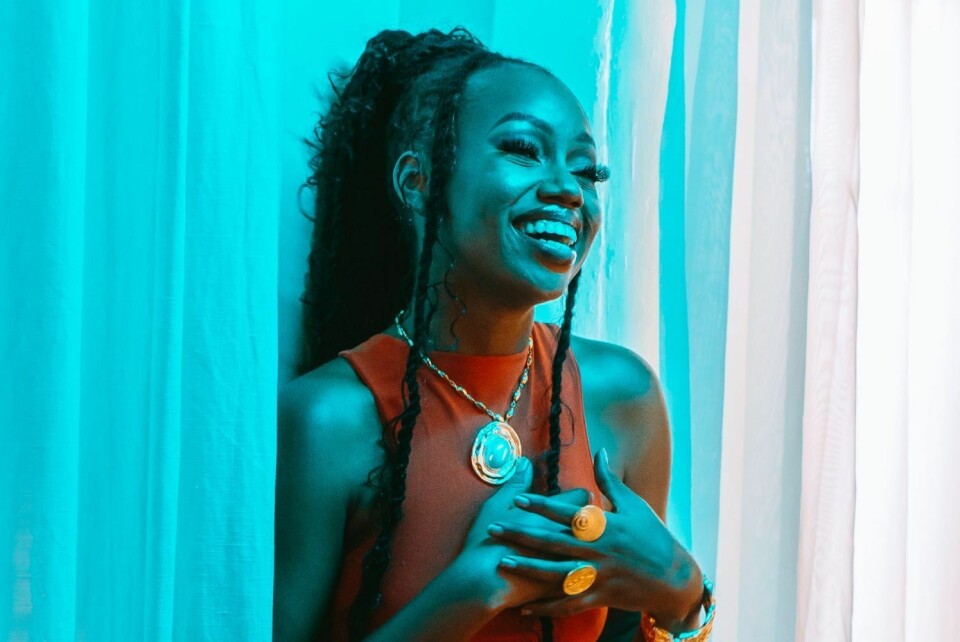
 Kenyan Artist Njerae.
Kenya’s music industry reached new heights in 2025 since the year brought explosive growth in streaming figures, breakthrough hit songs and fresh voices that rewrote the country’s soundscape.
Kenyan music dominated local playlists, challenged global stars and opened doors to international recognition.
According to streaming data released in December 2025, Kenyans listened to local music more than ever before.
More than 180 million hours of music were streamed on platforms like Spotify, with many local songs topping charts ahead of international tracks.
Kenyans turned to homegrown sound in droves, marking a turning point for the country’s entertainment scene.
The narrative of 2025 was not just about numbers but about rise and reinvention.
The year’s most streamed song was “Aki Sioni” by Njerae, a breakout hit that connected with listeners especially among young adults.
The track anchored her rise to prominence and became the country’s defining anthem of the year.
Njerae also saw her album Unintentional debut in the Top 5 most streamed Kenyan albums.
During a year end reflection, the Head of Music for Sub-Saharan Africa at Spotify noted the shift in listening patterns.
“This year reflects a vibrant local scene supported by both established acts and emerging voices,” she said, underscoring the broad appeal of Kenyan music.
The music landscape also underscored diversity as genres from rap and hip hop to Afro pop, Afro beats and R&B each found their dedicated audiences.
Many songs blended traditional rhythms with contemporary production, painting a picture of Kenya’s evolving cultural identity.
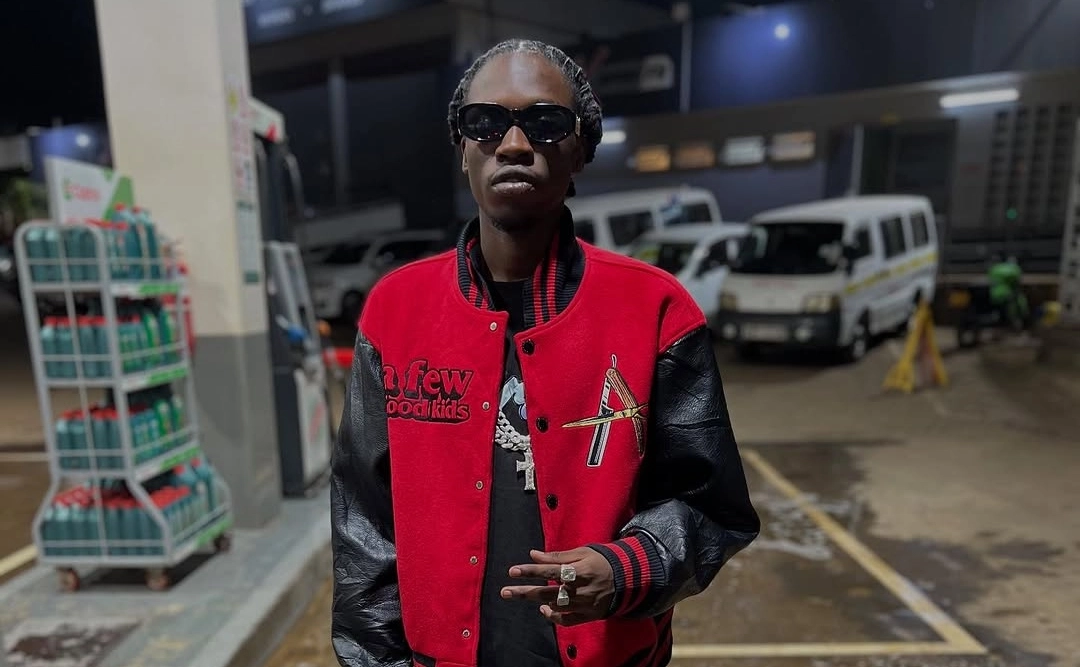 Toxic Lyrikali.
Alongside Njerae’s runaway success, Toxic Lyrikali emerged as one of the year’s standout artists.
His tracks Chinje and Backbencher topped local streaming charts and earned him recognition as Kenya’s most discovered artist on Spotify in 2025.
His storytelling, raw delivery, and connection to listeners dealing with real life challenges made his music strikingly resonant.
“The honesty in the lyrics helped me talk about things many of us go through. That’s why people connect,” Toxic Lyrikali said in an interview with a music magazine this year, explaining the traction his music gained on social platforms and streaming services.
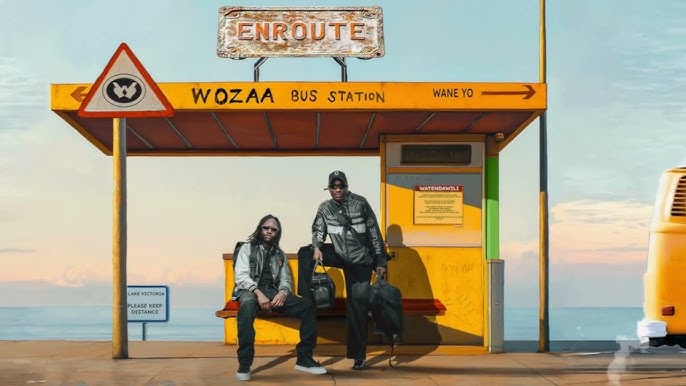 Kenyan Musical duo Watendawili.
Another name that broke through was Watendawili.
The group recorded four songs among the top local streamed tracks, reflecting a solid year of creativity and audience engagement.
Songs like Inakubalika, Atoti Cham Thum and Hadi Kesho made frequent appearances on radio, social media trends, and community playlists.
Their album En Route also ranked among the most streamed Kenyan albums, reinforcing their impact.
Collaborative efforts also found success with Donjo Maber, a vibrant collaboration between Iyanii and Dufla Diligon, becaming a viral anthem on WhatsApp, TikTok and regional playlists.
The song’s catchy hook and danceable beat captured the spirit of youth culture and social media engagement across urban centres.
Despite the surge of new talent, established artists remained central to Kenya’s music identity.
Bien, formerly of the renowned group Sauti Sol, continued his solo success this year as well.
He released multiple hits that dominated both streaming services and traditional broadcasting channels.
Tracks such as All My Enemies Are Suffering and Mpishi kept him at the forefront of the national conversation.
Consequently, Bien’s influence was evident in streaming lists and end of year roundups.
Sauti Sol themselves also retained strong audience loyalty, with their albums and singles making repeat appearances on charts.
Their ongoing resonance with older and younger cohorts alike demonstrated the enduring appeal of the group that helped define contemporary Kenyan pop music.
Other veterans like Wakadinali, Bensoul and Nyashinski also made significant contributions.
Wakadinali’s urban rap tracks Za Kimotho and Kum Baba stood out for their storytelling and cultural relevance, while Bensoul’s collaborations brought soulful new dimensions to mainstream playlists.
Social media continued to shape musical taste in Kenya while platforms like TikTok and WhatsApp fuelled dance trends and memes that helped songs go viral overnight.
 Donjo Maber hit maker Iyanii
 Bien Aime Baraza.
Similarly, Mpishi by Matata and Bien’s catchy hooks were amplified through short form video trends, turning music consumption into participatory engagement.
On the other hand, Radio and television complemented digital trends.
Traditional entertainment channels highlighted both new releases and nostalgic favourites, creating a multi layered audio experience for fans across demographics.
In a sector where influencer and fan generated content increasingly drives exposure, many artists adapted their release strategies.
Surprise drops, strategic collaborations, and interactive campaigns helped maintain momentum across the year.
Musician Idd Aziz led Kenya’s representation on Spotify’s Global Impact List during the first half of 2025.
His track Time (Mimi) attracted streams from around the world, earning placement on international playlists and gaining traction in venues from Berlin to Lisbon.
His genre blending sound, merging Afrohouse rhythms with Swahili influences, captured diverse global audiences.
Savara, another Kenyan artist, earned Grammy consideration for his tracks Sianda and Show You Off, marking a rare feat for musicians from East Africa.
This recognition reflected both creative excellence and growing global attention to Kenyan artistry.
The sonic palette of 2025 was vibrant and varied as Kenyan listeners embraced genres ranging from Gengetone and arbantone to Afro-R&B and rap.
Music that reflected everyday experiences, love, heartbreak, humour, and social commentary became the year’s staples.
Arbantone, a hybrid genre influenced by genge and house music, expanded its reach with new sounds that captivated younger audiences.
This homegrown innovation demonstrated how Kenyan artists continue to reshape and redefine musical boundaries.
Spotify’s data revealed that listeners under age 28 were especially influential in driving trends.
“These listeners’ engagement help push Kenyan artists into broader recognition and encouraged experimentation with hybrid sounds and cross genre collaborations,” Spotify noted.
As the curtain falls on 2025, artists, industry players, and fans are already setting sights on 2026 since the year’s success has fuelled optimism for even greater innovation.
Record labels are investing in local talent with renewed vigour while producers and songwriters are building networks that bridge traditional and digital platforms.
Live events, festivals, and collaborative showcases are being planned to capitalise on the momentum.
Musicians are experimenting with genre fusion, deeper storytelling, and more ambitious projects.
For many emerging artists, the challenges ahead are opportunities.
The pathways carved by this year’s breakout stars illustrate that success is possible beyond traditional constraints.
“I never imagined this kind of response so fast. It shows that Kenyan music has no limits,” Njerae said in a recent interview.
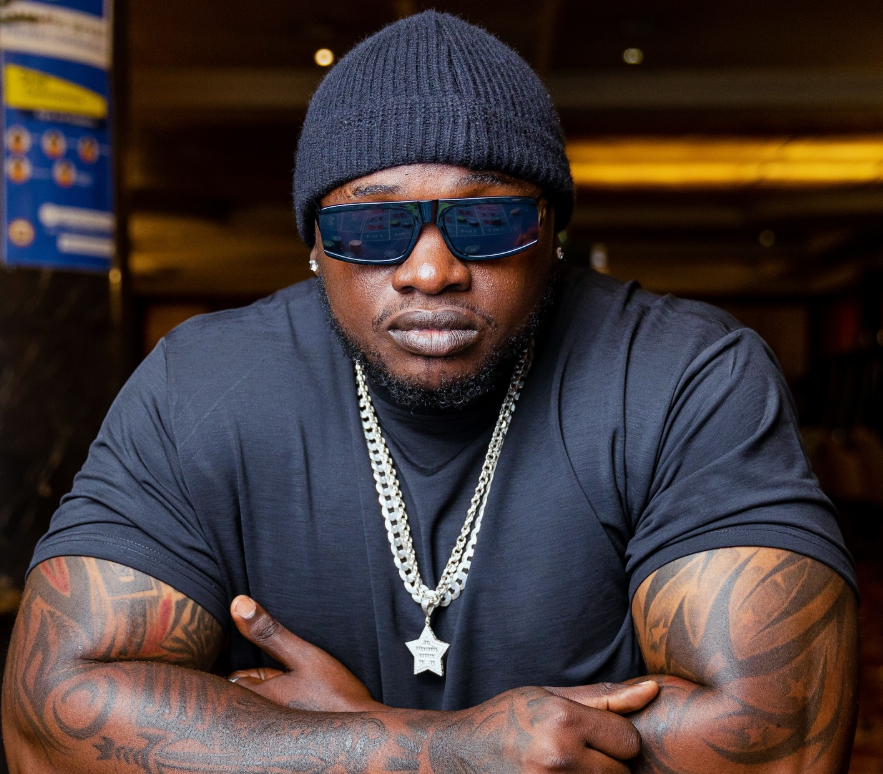 Khaligraph Jones.
Khaligraph Jones remained a dominant force in Kenyan hip hop since throughout the year, his releases and collaborations kept him firmly in public conversation.
Known for lyrical sharpness and commanding delivery, Khaligraph continued to anchor the genre while mentoring emerging rappers and maintaining relevance in an increasingly youth driven market.
His presence underscored the staying power of Kenyan hip hop as a cultural voice.
In the contemporary R&B and pop space, Otile Brown sustained his popularity with consistent releases that resonated strongly with fans across Kenya and the diaspora.
His music continued to perform well on streaming platforms and radio, particularly among audiences drawn to melodic love songs and emotionally driven storytelling.
Otile Brown’s steady performance highlighted the value of consistency in an industry shaped by fast moving trends.
Female artists also made notable gains with Nadia Mukami enjoying a strong year marked by steady releases, collaborations and digital engagement.
Her ability to balance commercial appeal with personal narratives helped her retain a loyal fan base while attracting new listeners.
Her work reflected the growing influence of women in shaping mainstream Kenyan pop.
Another female voice that remained influential was Maandy, whose bold style and unapologetic delivery continued to command attention.
Her music sustained strong online engagement, especially among younger audiences, reinforcing her place in Kenya’s evolving urban music culture.
In the gospel inspired and inspirational music space, Willy Paul and Bahati maintained their relevance through consistent output and audience engagement.
Their continued presence illustrated how faith based themes remain an important part of Kenya’s entertainment ecosystem, even as mainstream tastes evolve.
Younger audiences continued to support teen and youth acts such as Trio Mio, whose journey from viral sensation to established performer remained closely followed.
His progress reflected how early exposure and digital platforms can shape long-term careers when managed carefully.
Brandy Maina on the other hand continued to establish herself as one of the country’s most promising alternative pop voices.
Her genre blending sound, which fuses pop, R&B and Afro influences, gained wider recognition through digital platforms and live performances.
Her growth illustrated the increasing space for experimental and non mainstream music in Kenya.
In the Afro fusion and alternative scene, Xenia Manasseh recorded steady gains as her soulful releases attracted both local and international listeners.
Her music resonated particularly with audiences seeking introspective themes and refined production.
By the end of the year, she had become a familiar name on curated playlists and intimate live music circuits.
Fathermoh remained an important figure in the arbantone and urban sound movement.
His consistency and collaborations helped push the genre further into mainstream awareness.
Consequently, his work demonstrated how hybrid sounds rooted in Kenyan street culture continue to evolve and attract commercial attention.
2025 will be remembered as a milestone year for Kenyan music.
It was a year where new talent surged, classic voices endured, and local tracks held their own against global heavyweights.
Streaming data showed Kenyans embracing their own artists with unmatched enthusiasm while creative collaboration and digital engagement powered hit songs that dominated the cultural conversation.
From the chart topping Aki Sioni to Grammy considered tracks, 2025 underscored Kenya’s rising influence on the global music scene.
It proved that Kenyan music is not only rich and diverse but also resilient and ready for the world stage.