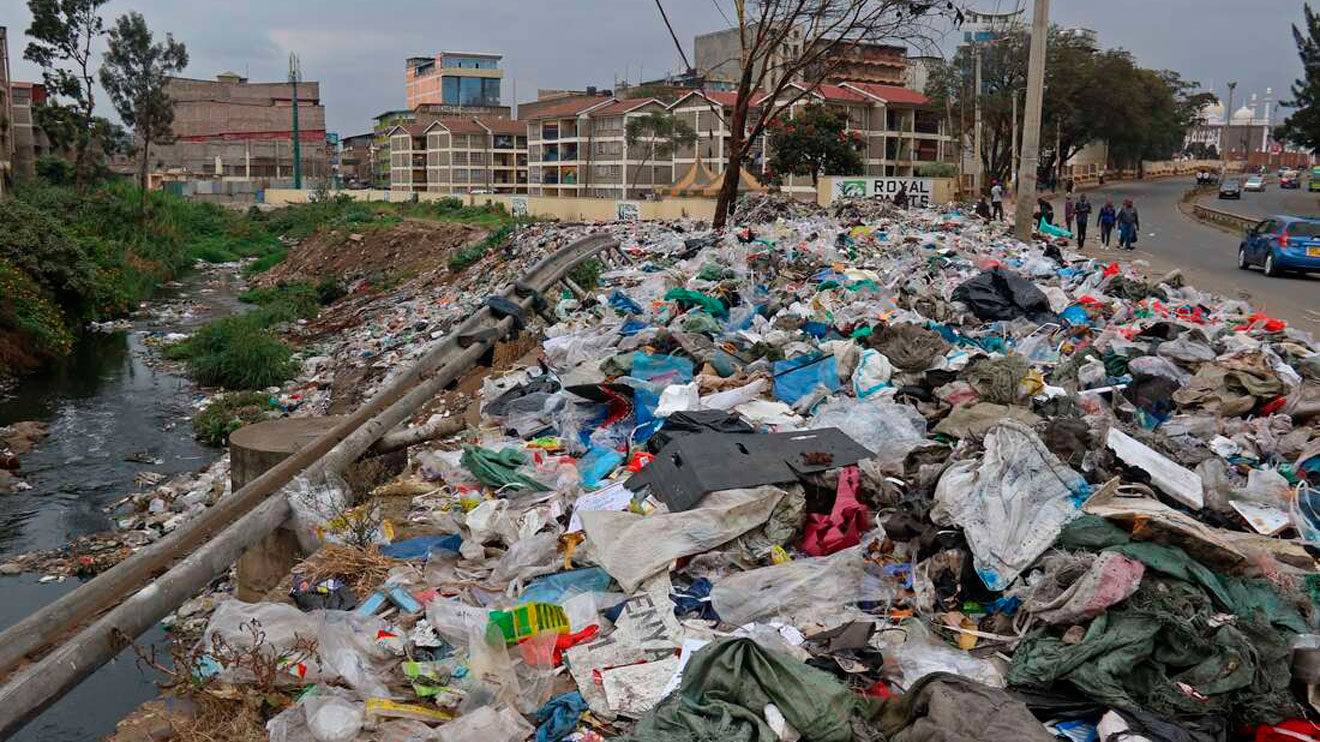
 Organic waste accounts for about 60 per cent of all solid waste in Nairobi according to Nairobi County Agriculture Chief Officer./FILE
MOUNTAINS of rotting vegetables, fruit peelings and food leftovers have long been a familiar sight in open-air markets across Nairobi and Kiambu counties.
For years, this organic waste has been treated as a nuisance—dumped in landfills or left to decay in market corners, releasing foul smells and climate-warming gases.
Now, scientists and county governments are working to turn this waste into a valuable resource capable of creating jobs, improving soil health and easing the burden on overstretched cities.
Gladwell Cheruiyot, the Nairobi county chief officer for food, agriculture and natural resources, said organic waste makes up about 60 per cent of all solid waste generated in the capital.
Nairobi produces an estimated 3,800 tonnes of waste daily, but only about 2,800 tonnes are collected.
Most of this ends up at the Dandora dumpsite, which exceeded its capacity more than two decades ago.
“The biggest component of this waste is organic, yet this is the very fraction that can be easily recycled into something useful,” Cheruiyot said.
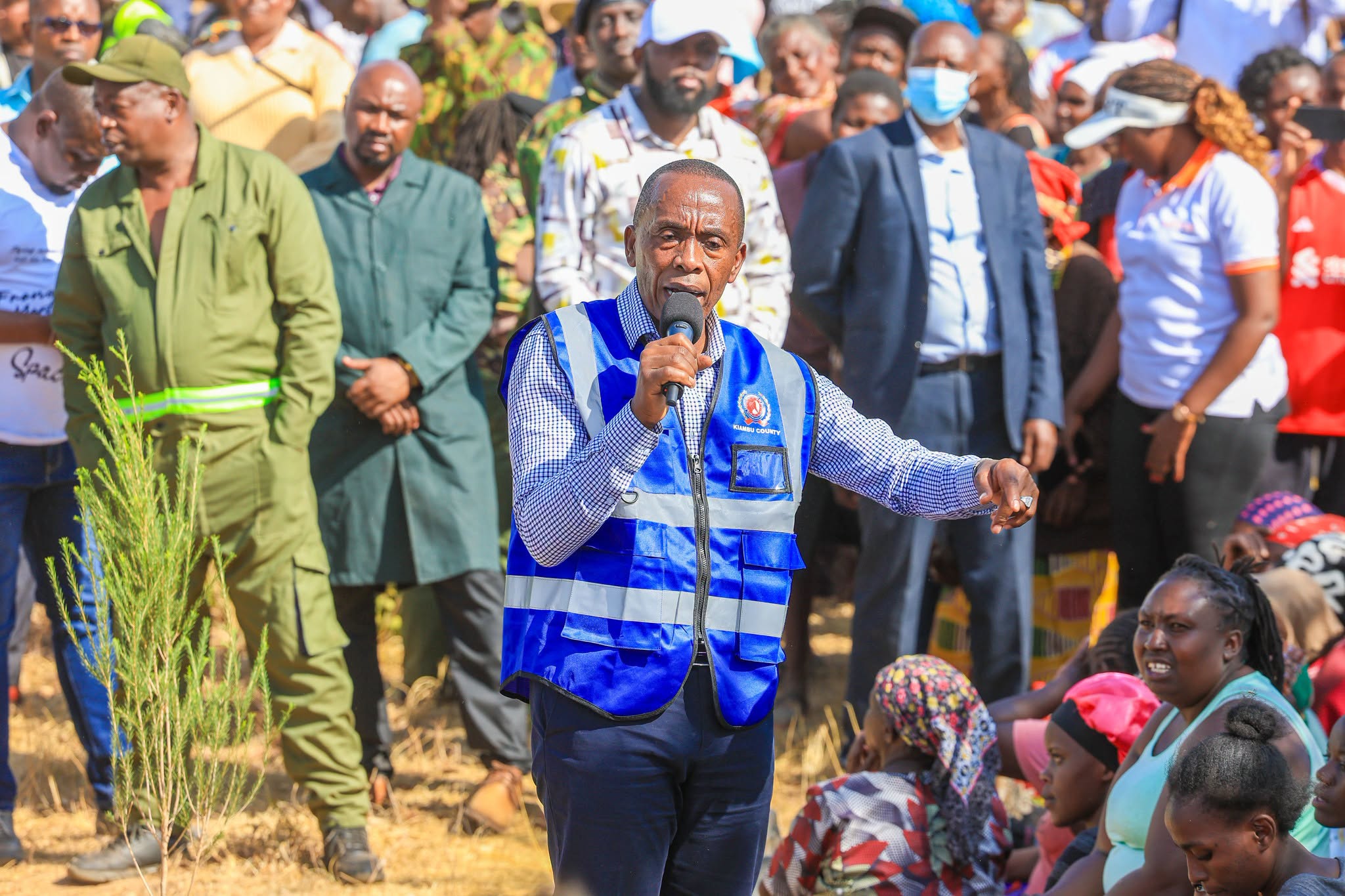
She spoke during the launch of the Waste to Wealth project, officially titled “Using Innovative Gender-Responsive Business Models to Turn Organic Market Waste into Organic Fertiliser and Animal Feeds (WAWE).” The initiative will be implemented by scientists from the Alliance of Bioversity International and the International Center for Tropical Agriculture in selected markets across Nairobi and Kiambu counties.
The project seeks to convert organic market waste into organic fertiliser and protein-rich animal feed using insects such as black soldier flies. At its core is a shift in mindset—viewing waste as a resource rather than a burden.
“Organic waste, when left to rot, emits greenhouse gases like methane and creates public health risks,” said Dr Christine Chege, a senior scientist at the Alliance Bioversity CIAT. “When managed properly, it can create economic opportunities, especially for youth and women.”
The two-year project is funded by the Climate and Clean Air Coalition at a cost of Sh129 million (about US$1 million) in Kenya and Uganda.
In Kenya, the focus will be on training market traders to sort and aggregate organic waste, which will then be processed into compost or used to rear black soldier fly larvae for animal feed.
Inclusivity and sustainability are central to the project’s design. Scientists will provide technical support while communities take ownership of the process across the value chain.
In Kiambu county’s Lari area, entrepreneurs are already proving the concept works.
George Muturi, founder of Comfort Worms and Insect Farm, has been running a vermiculture and composting business since 2020, collecting organic waste from farms and markets.
“There are many opportunities for young people in waste collection and processing,” Muturi said.
His enterprise produces between two and three tonnes of compost every week, supplying nearly 200 farmers. Growing awareness of organic fertilisers, he noted, is driving demand.
For Nairobi county, the potential benefits go beyond job creation.
Cheruiyot said recycling even 60 per cent of the city’s organic waste would dramatically reduce the volume transported to Dandora, lowering costs and improving public health.
The county has already piloted similar initiatives in markets such as Kawangware, Wakulima and Dagoretti at a cost of about Sh15 million.
Scaling the model to all 17 major food markets in Nairobi, however, would require more than Sh200 million, highlighting the need for strong public-private partnerships.