Since the start of the war in Gaza, Egypt has emerged as one of the most active players working to restore calm and provide humanitarian support.
From high-level diplomacy to relief convoys crossing the Sinai desert, Cairo has balanced politics and compassion — holding firm on its belief that peace cannot come through displacement, but through justice and dialogue.
Diplomatic efforts
Egypt has long considered the Palestinian question a cornerstone of its regional policy. President Abdel Fattah el-Sisi’s government has repeatedly declared that any attempt to force Palestinians from their land — whether through war or “temporary” resettlement — is a red line.
Soon after the conflict began, Egypt took the lead in mobilizing regional and international attention.
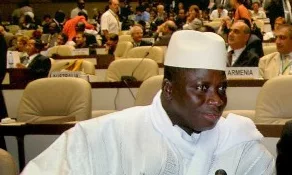
In October 2023, Cairo hosted the Cairo Peace Summit, the first major global meeting on the Gaza crisis, drawing Arab and international leaders to push for humanitarian access and renewed peace talks.
Two years later, in March 2025, Egypt convened another Arab-Islamic Summit, where leaders endorsed an Egyptian-led plan for Gaza’s reconstruction.
At the international level, Egypt presented arguments before the International Court of Justice (ICJ), condemning Israel’s actions in occupied territories and signaling its intent to join South Africa’s genocide case.
Domestically, Cairo hosted reconciliation talks between Hamas and Fatah in 2024, seeking to rebuild unity and prepare for a post-war administration in Gaza.
Through all these efforts, Egypt has maintained that a two-state solution — with an independent Palestine — remains the only path to lasting peace.
Cease-fire mediation
For nearly two years, Egypt has also served as a bridge between warring sides. Working with Qatar and the United States, Cairo has been central to every major cease-fire attempt since 2023.
It was Egypt that helped broker the seven-day truce of November 2023, which led to the release of dozens of hostages and the entry of humanitarian aid into Gaza.
In January 2025, Cairo helped negotiate a three-phase cease-fire deal that freed more than 1,900 Palestinian prisoners and allowed 600 aid trucks into Gaza daily.
The truce eventually collapsed when Israel resumed military operations, but Egypt’s mediators continued their quiet diplomacy.
In April 2025, Cairo’s pressure contributed to the release of American-Israeli hostage Alexander Edan, signaling a willingness by Hamas to re-engage in talks.
Later, in August 2025, Egypt and its partners proposed a 60-day cease-fire plan, which Hamas accepted — but the talks broke down after Israel introduced new terms.
Even after Israel’s September 2025 strike on a Hamas delegation in Doha, Egypt did not pull back, urging both parties to return to negotiations and stressing that dialogue remains the only route to stability.
Humanitarian response
While pushing for peace, Egypt has also been the main gateway for aid into Gaza.
Through Al Arish Airport in North Sinai, nearly 80% of all humanitarian supplies to Gaza have been coordinated by Egyptian authorities and international agencies.
When Israel seized control of the Rafah crossing in May 2024, Egypt intensified diplomatic pressure to reopen border points and managed to secure limited aid deliveries through the Kerem Abu Salem crossing, averaging 250 trucks a day.
Cairo has also hosted humanitarian summits, including a December 2024 conference that brought together donors and aid agencies to plan Gaza’s recovery.
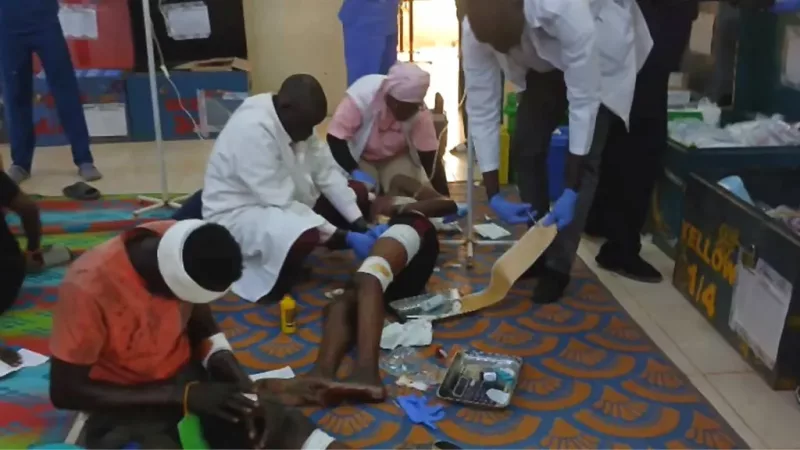
On the ground, Egyptian relief teams have set up temporary camps in Rafah, Khan Younis, and Deir al-Balah, offering food, water, and medical care to displaced families.
Egypt’s approach blends diplomacy, mediation, and direct relief — making it one of the most influential voices in efforts to end the Gaza war.
Its message remains consistent: the conflict cannot be solved by force, nor by uprooting a people from their homeland.
Through summits, shuttle diplomacy, and humanitarian leadership, Egypt has positioned itself as both a stabilizer and a conscience in the Middle East.
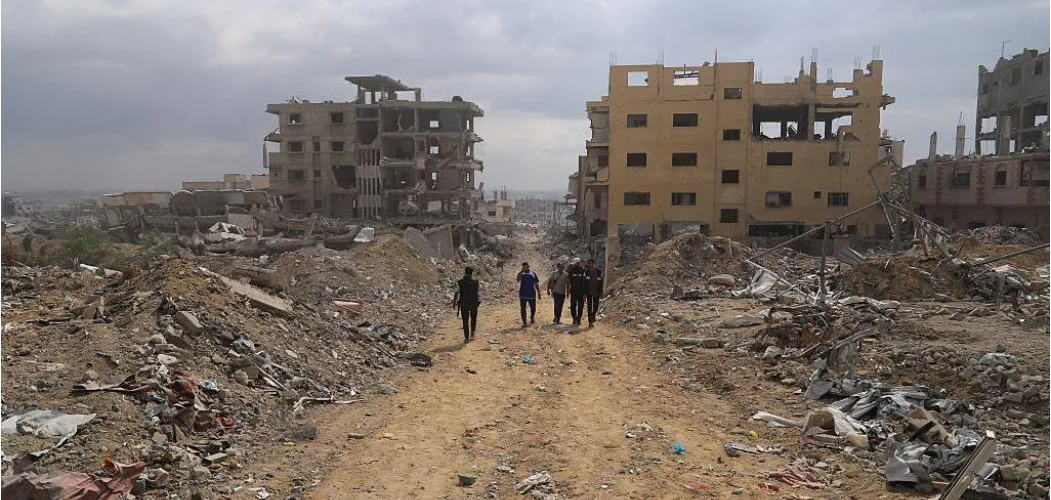
For Cairo, peace in Gaza is not just about ending a war — it is about preserving the region’s humanity and ensuring that Palestinians can live, rebuild, and govern themselves with dignity.