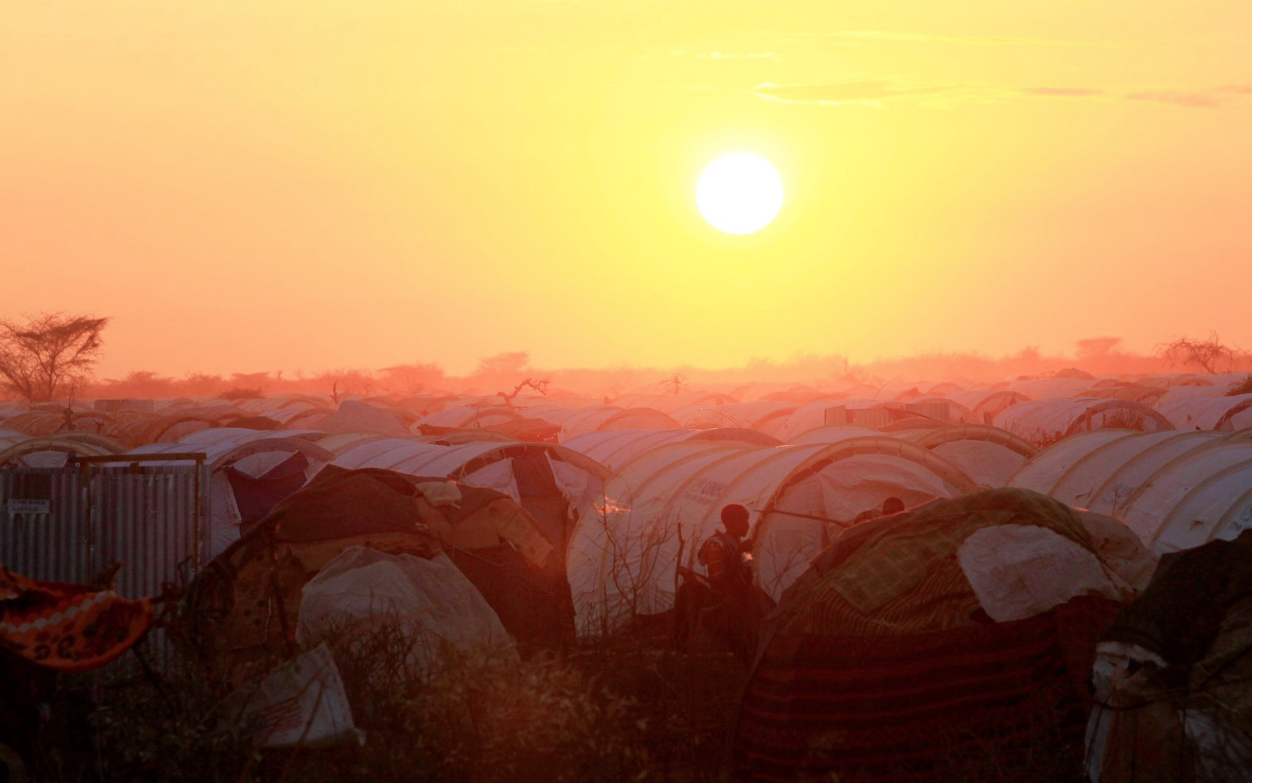
Kenya hosts 843,000 refugees and asylum seekers from Somalia, South Sudan, Ethiopia, and the Democratic Republic of Congo.
While the majority are accommodated in long-term camps such as Dadaab in Garissa County, Kakuma, and Kalobeyei in Turkana County, this model has often resulted in isolation and limited integration.
Some undocumented refugees have also moved to Nairobi, placing additional pressure on the city’s infrastructure and services.
Kenya’s approach contrasts sharply with Poland, which hosts about 960,000 Ukrainian refugees under temporary protection.
According to the United Nations High Commissioner for Refugees (UNHCR), the Polish government adopted measures that allowed newcomers to quickly integrate into the country’s social and economic fabric.
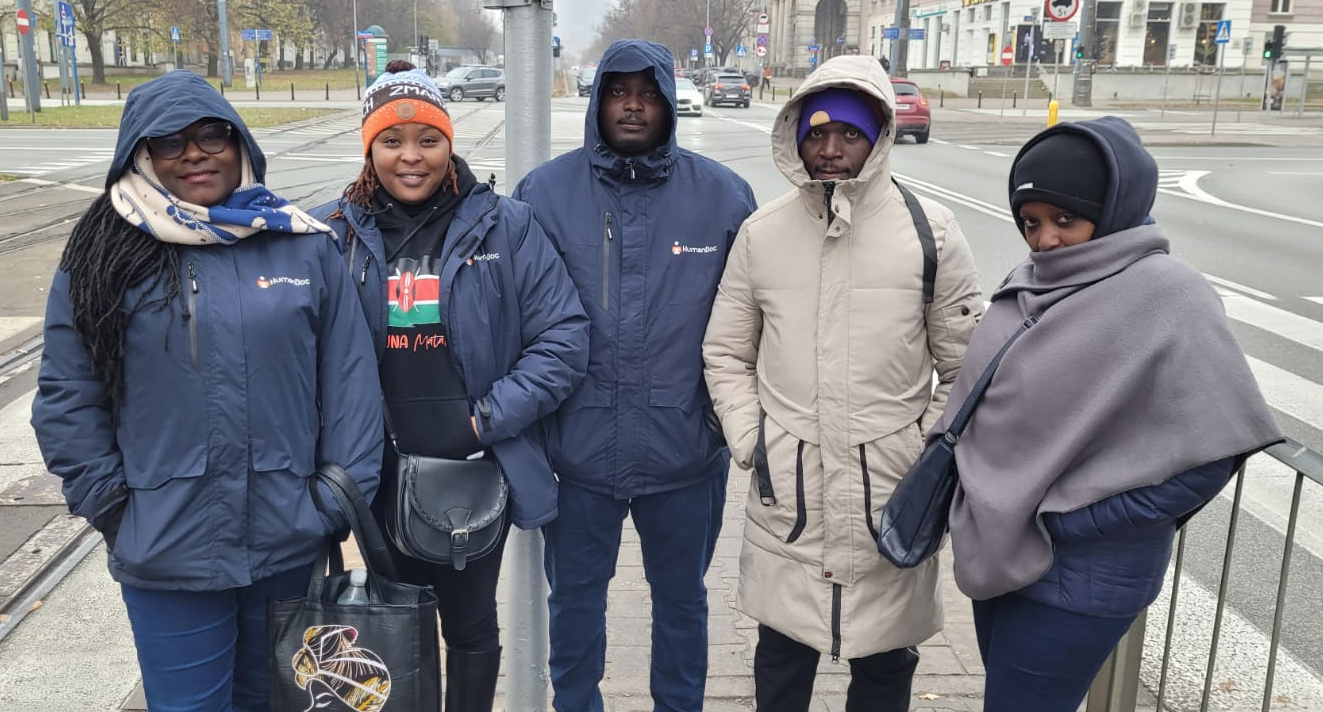
Kui Mugweru, a community radio journalist who visited Poland to study the two countries’ refugee management models, noted the differences.
She said it was often difficult to distinguish who was a refugee in Poland.
“During our entire stay, the only things resembling refugee camps in Kenya were the food fridges. Even those are not specifically for refugees, they are for people to share excess food with those in need,” she said.
Adoption of a special number
Ukrainian refugees began arriving in Poland on February 24, 2022, the first day of Russia's full-scale invasion. Within hours, the government introduced legislation granting refugees a national identification number called Pesel, which is essential for legal residence, work, education, and healthcare.
Instead of long-term collective accommodation, most refugees found housing within weeks—initially with private hosts and later renting apartments independently.
This decentralised, trust-based approach fostered quick adaptation and self-reliance.
A UNHCR and Deloitte report published on June 10 noted that Ukrainian refugees contributed to a 2.7 per cent increase in Poland’s GDP last year.
“Their swift entry into the labor market, business creation, and increased consumption fueled tax revenues and revitalized local economies,” the report said.
It forecasts that tax revenues generated by this group could exceed PLN 4 billion (Sh0.1 trillion) annually in the coming years, with the long-term fiscal impact expected to remain positive.
Dominika Springer of HumanDoc Foundation said this success was deliberate.
“Before someone can take a job, they need stability, psychologically, socially, and language and integration support. That’s what we provide at HumanDoc. By helping refugees, we also help Poland,” she said.
Kenya’s steps toward integration
Back in Kenya, the International Rescue Committee (IRC), in partnership with Oxfam International and Refugees Seeking Equal Access, is advocating for improved access to documentation for refugees.
IRC advisory officer Irene Shiundu said proper documentation would help refugees access education, healthcare, and legal services more efficiently.
“Currently, even those with refugee IDs face strenuous processes, causing many to give up,” she said.
Fatima Ali, a refugee from Dadaab, added that youths often miss employment and scholarship opportunities due to the lack of an official ID.
“Without this document, we cannot apply for scholarships or fully engage with host communities,” she said.
While Poland’s integration model has yielded significant benefits, it is not without difficulties. Many Ukrainian refugees accept jobs below their qualifications and children face language and adaptation barriers in schools.
Shirika Plan
In March, President William Ruto launched the Shirika Plan, which aims to integrate refugees within communities, drawing inspiration from Poland’s approach.
“The plan transforms refugee camps into integrated settlements, creating opportunities that benefit both refugees and host communities,” Ruto said.
He added that over 70,000 refugees are enrolled in universal health coverage under the Social Health Insurance Fund, and refugee IDs are now recognized in the Integrated Population Registration System.
The President urged international partners to support the initiative.
UN High Commissioner for Refugees Filippo Grandi described the plan as progressive, emphasizing that integration is a more humane approach.
Ruth Keah, a community journalist on the exchange programme, said Poland’s success in integrating refugees demonstrated the importance of strong governance systems to maintain public order while supporting newcomers.