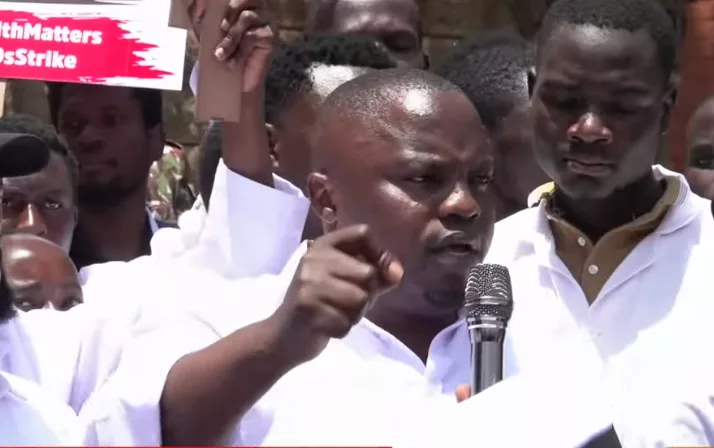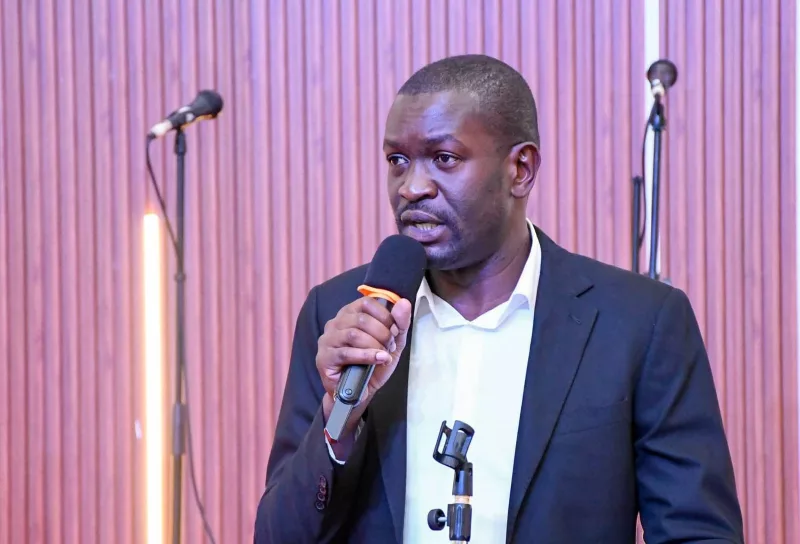
Activist Boniface Mwangi has said the teargas canisters and spent cartridges seized from his office by police were collected during protests to aid investigations into police brutality — not as weapons or evidence of wrongdoing.
Mwangi, who was arrested on Saturday and later released on bail, told the BBC World Service in an interview on Tuesday that the materials were empty, used items picked from protest sites and stored for eventual handover to the Independent Policing Oversight Authority (IPOA).
“These were memorabilia of the things picked from the streets during protests, and they were supposed to be handed over to the investigative authorities,” he said.
“They were spent cartridges and empty canisters from a teargas gun.”
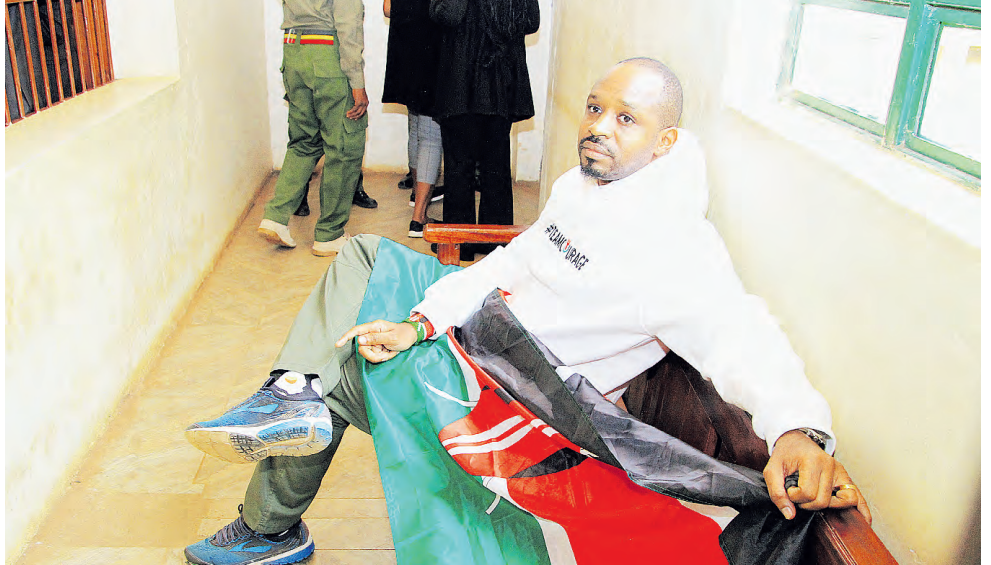
Mwangi was taken into custody from his home and held at Pangani police station before being arraigned at the Kahawa law courts on Monday.
Although police initially said he was being investigated on terrorism-related charges, the case was later downgraded to being in possession of ammunition without a licence.
He maintains his arrest was politically motivated and intended to instil fear among activists calling for justice and accountability.
“What the government is trying to do is send a message. I’m one of the most prominent activists in the country. By arresting me and initially charging me with terrorism, they want to scare everyone else from protesting,” Mwangi said.
He described the police operation as more symbolic than substantive, noting that officers arrived at his Mageuzi Centre office with a search warrant but found nothing unlawful. Still, he was arrested.
“They came to search the office, didn’t find anything illegal, but still bundled me into a car. Initially, they said I was facing terrorism charges. When that couldn’t stick, they reduced it to a possession charge, which will also fail in court because I haven’t broken any law,” he added.
Mwangi said the officers who arrested him became less aggressive once he was in custody, even admitting they were just following orders.
He also denied any involvement in planning or inciting recent anti-government protests, instead accusing state agents of staging violent incidents to delegitimise the demonstrations.
“What happened last week was state-organised terrorism,” he claimed.
“Government proxies hired goons to burn police stations and courts to turn public opinion against protesters.”
The activist, known for his outspoken criticism of government excesses, has often clashed with authorities over his campaigns for transparency and police accountability.
The case will continue in court as investigations proceed.
Boniface Mwangi's arrest shows a troubling escalation in the criminalisation of activism. The shifting charges raise fresh concerns about state overreach during a time of unrest.