Kenya is in a tight spot and restoring public trust is the only way out. More than Sh50 out of every Sh100 in ordinary revenue goes to debt repayment.
Domestic debt is taking the lion's share of interest payments at Sh851 billion of the Sh1.097 trillion in the 2025-2026 financial year. Pending bills across the national and county governments stand at over Sh700 billion, yet they are not factored as debt in the budget.
Reports from the Auditor and the Controller of Budget indicate massive abuse of public resources at a scale never witnessed before. This is the context in which four out of every 10 Kenyans are poor, gainful employment is hard to find and real wages are on a decline.
The competitiveness of the various sectors in the economy is stagnant or declining. Kenya is staring at insolvency.
The solution lies not so much in mobilising more revenues as in addressing expenditure drivers. Hard choices have to be made.
The World Bank' public finance review for Kenya seeks to grapple with this reality. Its newness is not so much in the content as in its source and boldness, especially in calling out corruption as the root of the current situation.
One would understand, as the bank has over Sh900 billion worth of active project loans extended to Kenya. How well the broader public finance system works has implications for the impact their supported projects have.
Kenya has three options. First, is business as usual: continue in the trend of expanding fiscal deficits, minimal expenditure rationalisation and fiscal slippages (corruption).
The second option is pure fiscal austerity, where the focus is purely on reducing government expenditure but without addressing corruption.
The third, and preferred, option is a fiscal policy for growth and jobs. Curbing corruption and strengthening governance is the core pillar. It combines a focus on public services, debt management and growth of the private sector, building on what is already a very resilient Kenyan economy and people.
Central to all is addressing the trust deficit. Citizens and investors must be able to trust the government.
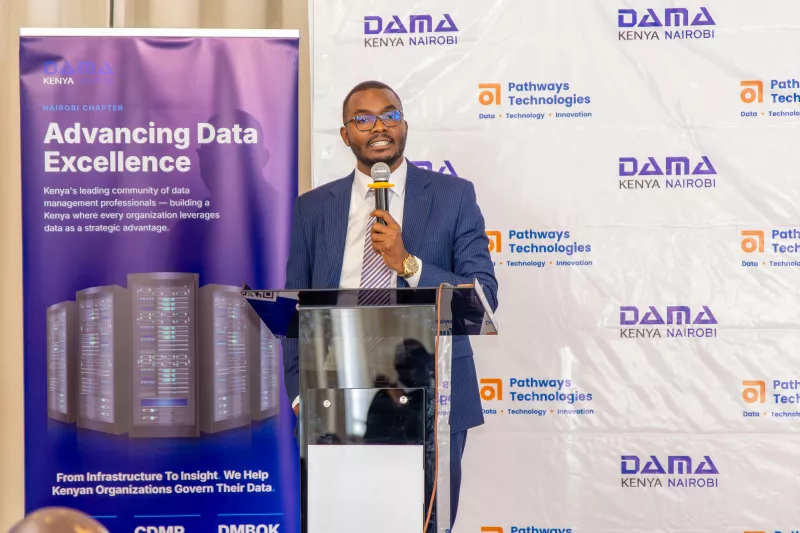
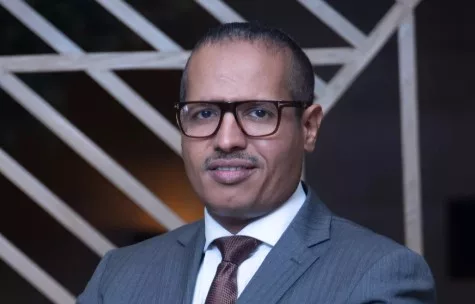
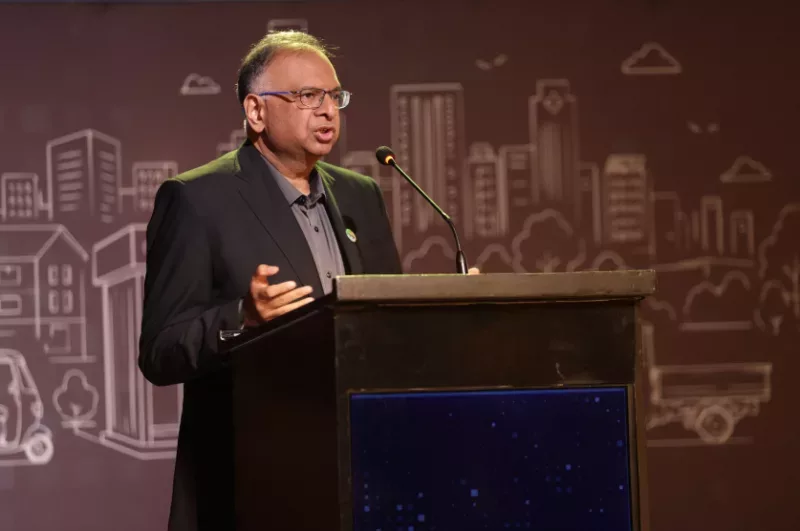
Executive director of Bajeti Hub spoke to the Star